
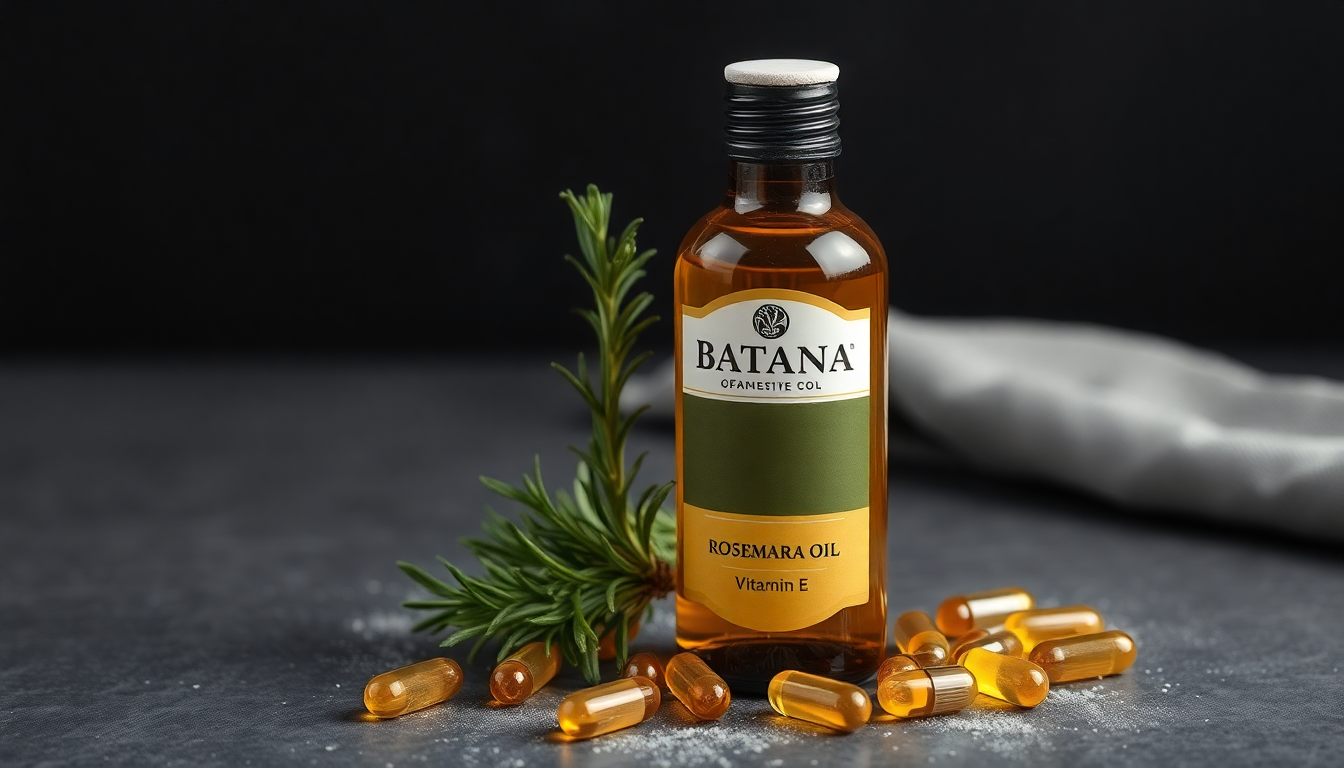
Introduction: Why Men Need a Cold-Weather Scalp Strategy
Cold weather brings unique challenges for men who care about their hair. Indoor heating, wool hats, heavier styling products and less frequent washing are a common recipe for waxy buildup, dryness, flaking and even increased seasonal shedding. If you use strengthening routines like Chebe treatments, those benefits can be reduced when the scalp is clogged or inflamed.
This long-form guide explains why a targeted blend of Batana oil, rosemary essential oil and vitamin E is an ideal scalp rescue in winter months. You’ll get the science behind the ingredients, practical step-by-step treatments, a weekly and daily maintenance plan, troubleshooting, variations for different hair types, and product sourcing — including curated links to quality supplies at Batana oil for hair and related items.
How Cold Weather Impacts the Scalp and Hair
- Lower humidity and dry indoor heat strip natural oils from the scalp, weakening the skin barrier and causing flaking.
- Men often use pomades, waxes and heavier greases in colder months for hold and protection; over time those products accumulate and form hydrophobic residues that standard shampoos can struggle to remove.
- Wearing hats and scarves leads to friction, sweat accumulation and trapped oils — a localized environment where buildup and irritation can increase.
- Seasonal telogen shedding is common: certain individuals shed more hair in response to environmental changes, but excessive shedding may be worsened by poor scalp health.
- A clogged, inflamed scalp reduces the effectiveness of topical growth and conditioning treatments such as Chebe, because active ingredients can’t contact follicles or hair shafts efficiently.
Why Batana Oil, Rosemary and Vitamin E Work as a Trio
Each ingredient has a complementary role:
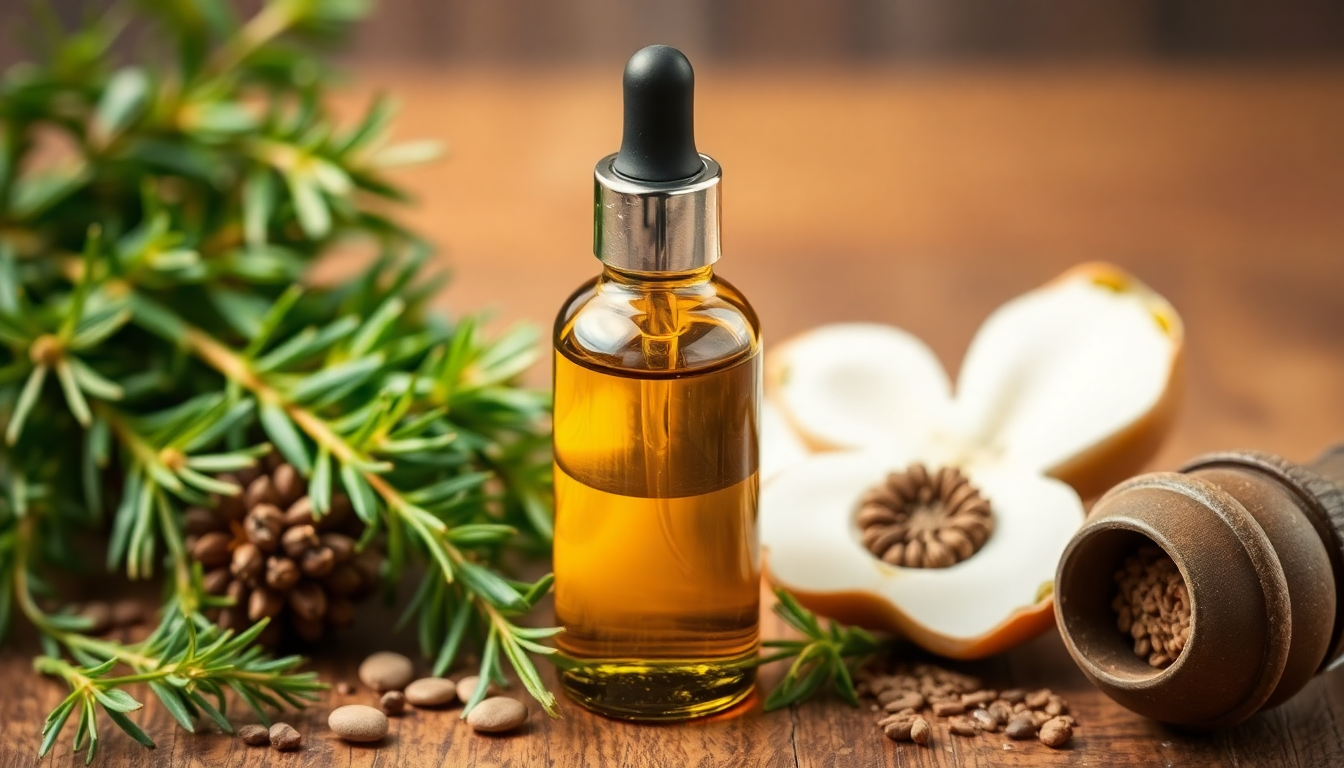
- Batana oil (a richly emollient oil traditionally used in Central American hair care) is high in fatty acids and natural lipids. It softens and helps dissolve hydrophobic waxy residues, while deeply conditioning the hair shaft and the scalp’s lipid layer.
- Rosemary essential oil enhances scalp circulation when massaged in at safe dilutions and has calming antimicrobial effects that help rebalance the scalp microbiome. This makes the scalp a healthier environment for hair growth and for topical treatments to perform.
- Vitamin E (tocopherol) is a lipid-soluble antioxidant that supports skin barrier repair, reduces oxidative stress on scalp skin, and aids in the penetration and stabilization of carrier oil blends.
Together these ingredients address three key fronts: removal of wax buildup, strengthening and repair of the scalp barrier, and creating an optimal environment for hair-maintenance regimens such as Chebe treatments.
How the Blend Dissolves Wax Buildup (The Science, Simplified)
- Batana oil’s fatty molecular structure interacts with hydrophobic waxes and product residues, loosening them from hair and skin so they can be rinsed away during cleansing.
- Warming the oil slightly increases its fluidity and ability to penetrate residues.
- Massaging with rosemary oil stimulates microcirculation, which supports follicle health and helps the scalp shed debris naturally.
- Vitamin E supports the scalp’s lipid barrier recovery after buildup removal, which helps reduce flaking and irritation that can lead to increased shedding.
Step-by-Step: The Ultimate Cold-Weather Scalp Rescue Treatment
Use this treatment once weekly during cold months. Always patch-test 24–48 hours before full use to rule out irritation or allergy.
- Ingredients:
- 2 tablespoons Batana oil
- 4–6 drops rosemary essential oil (for a 1% dilution)
- 1 vitamin E capsule or 1/4 teaspoon liquid vitamin E
- Optional: 1 teaspoon jojoba or fractionated coconut oil to thin the mix for finer hair
- Preparation:
- Warm the Batana oil by placing the bottle in a bowl of warm water for 3–5 minutes. Do not use direct heat.
- Mix in the rosemary essential oil and vitamin E. If you have finer hair, add a light carrier like jojoba to reduce heaviness.
- Application:
- Part the hair into sections. Apply the oil blend directly to the scalp using fingertips or a dropper.
- Gently massage for 5–10 minutes using circular motions to help the oils work into waxy deposits and stimulate circulation.
- Leave the treatment on for 30–60 minutes. For deeper action, wrap hair in a warm towel or use a shower cap and sit under gentle heat for 15–20 minutes.
- Rinse and follow with a clarifying or gentle sulfate-free shampoo to remove dissolved buildup. You may need to shampoo twice if you use heavy waxes regularly.
- Finish with a lightweight conditioner on the ends only if thinning is a concern.
Weekly and Daily Maintenance Plan for Men
Consistency is key. Treat the scalp weekly and follow simple daily habits to maintain balance.
- Weekly: One deep Batana + rosemary + vitamin E scalp treatment as described above.
- Every 10–14 days: Use a clarifying shampoo if you rely on strong-hold waxes or heavy pomades; otherwise a gentle shampoo 2–3 times per week is sufficient for most men in winter.
- Daily: Light grooming with water-based or lighter styling products. If you need shine or control, use a very small amount of diluted Batana toward hair ends, not the scalp.
- Before Chebe applications: Use the Batana pre-wash the night before applying Chebe to maximize absorption and minimize residue interference.
Specific Protocol for Men Using Chebe
Chebe treatments are traditionally used to condition and strengthen the hair shaft. To get the most from Chebe:
- Start with a clean, residue-free scalp and hair by performing the Batana + rosemary + vitamin E treatment the night before Chebe application.
- Rinse thoroughly; towel-dry before applying Chebe to ensure the formula has better contact with hair strands rather than sitting on residual wax.
- Keep the scalp healthy and hydrated between Chebe sessions to reduce shedding and support retention of longer styles.
Troubleshooting and Customization by Hair Type
- Fine or thinning hair: Reduce Batana volume to 1 teaspoon; add 1 teaspoon jojoba to lighten the blend. Focus oil on the scalp in small amounts; avoid heavy application on hair shafts to prevent weighing down.
- Thick, coarse hair: Full-strength Batana (2 tbsp) works well. Consider leaving treatment on longer or using a heat cap to improve penetration through dense strands.
- Curly/kinky hair: A richer oil helps with detangling and barrier repair. Apply generously to ends and scalp; use protective styles post-treatment. Chebe often pairs well with this routine for improved retention.
- Oily scalp: Use less oil at the roots and focus on a short massage. Use a clarifying shampoo more frequently and consider alternating with lighter oils like grapeseed or fractionated coconut oil during daily grooming.
- Sensitive or inflamed scalp: Patch-test first. Use a lower rosemary dilution or skip rosemary until irritation improves. Seek professional advice if inflammation persists.
Safety, Dilution Guidelines and When to See a Specialist
- Keep rosemary essential oil at around 0.5–1% for the scalp (roughly 4–6 drops per 2 tablespoons of carrier oil). Higher concentrations can irritate sensitive skin.
- Always do a patch test on the inner forearm and wait 24–48 hours for a reaction before full scalp use.
- Vitamin E is generally safe topically but can be sticky in high amounts — a single capsule or up to 1/4 tsp of liquid form is sufficient for this blend.
- If you experience persistent shedding, sudden hair loss, scalp sores, severe redness or painful inflammation, consult a dermatologist. This routine is supportive and not a replacement for medical evaluation.
Comparing This Ritual to Other Popular Scalp Treatments
There are many approaches to scalp care. Here’s how the Batana + rosemary + vitamin E ritual stacks up:
- Versus oil-only massages: Batana’s unique lipid profile makes it better at dissolving waxy residues than lighter oils alone. Rosemary adds circulatory and antimicrobial benefits that plain carrier oils lack.
- Versus store clarifying treatments: Chemical clarifiers can be effective, but frequent use may dry the scalp. This oil-first approach loosens waxes and conditions the scalp so you can clarify with less risk of over-drying.
- Versus medicated shampoos: Medicated formulas are for specific conditions (e.g., seborrheic dermatitis, fungal issues). Use them if a professional diagnoses those problems; otherwise, this gentle, natural approach supports general cold-weather scalp health.
Before-and-After Timeline: What to Expect
- Immediate (first week): Better manageability, less visible wax and residue after shampooing, temporary shine and softer hair shafts.
- 2–6 weeks: Reduced flaking and itching, less seasonal shedding for many men, and improved scalp comfort. Enhanced absorption of Chebe or other topical treatments may become noticeable.
- 3 months+: Improved hair retention and stronger-looking hair when the routine is consistent and combined with a healthy diet and stress management.
DIY Variations and Add-Ins
- Tea tree boost: Add 1–2 drops of tea tree oil for stronger antimicrobial action if dandruff is present, but reduce rosemary to prevent irritation.
- Cooling option: Add 1–2 drops of peppermint for a cooling effect—use sparingly as menthol can be irritating at higher concentrations.
- Scalp exfoliation: Occasionally mix 1 tsp of fine sugar or baking soda into a tablespoon of your oil blend for a gentle scrub to remove stubborn buildup, then rinse thoroughly and shampoo. Don’t over-exfoliate.
Styling Tips for Men to Avoid Future Buildup
- Choose water-based pomades and lighter creams for everyday use; save heavier waxes for special occasions.
- Use minimal product — start with small amounts and increase only as needed.
- Rinse or wash hair after heavy product use or long days in a hat to prevent sweat + product accumulation.
- Alternate styling products to avoid layering similar waxy ingredients day after day.
Product Sourcing: Where to Find High-Quality Batana, Rosemary Oil and Chebe
Quality matters. Look for cold-pressed or mechanically extracted Batana oil, therapeutic-grade rosemary essential oil from reputable suppliers, and vitamin E without unnecessary additives. For curated selections and tested formulations that pair well with this scalp rescue, explore product pages for rosemary hair oil, Chebe hair treatment, and other hair care essentials at Sevich Collections. These kinds of collections make it easier to buy ingredients that are safe, tested and suitable for combining into at-home treatments.
Frequently Asked Questions (Expanded)
- Is Batana oil safe for daily use? Batana is safe for regular use in small amounts, but heavy daily application at the roots can weigh fine hair down. Use it weekly as a treatment or sparingly as a leave-in on ends.
- Will rosemary oil regrow hair? Rosemary may support scalp circulation and overall follicle health, but results vary and it's not a guaranteed regrowth solution. Use it as part of a broader scalp health routine and consult a professional for advanced hair loss concerns.
- Can I mix Chebe directly with Batana? Some users combine Chebe powders/masques with oils for deeper conditioning. If you plan to blend, test a small amount first to ensure the mixture is comfortable and easy to wash out without excessive residue.
- How do I know if buildup is the cause of my shedding? If shedding improves after 2–6 weeks of consistent scalp-cleaning and conditioning, buildup was likely a contributing factor. Persistent or sudden shedding requires a medical check-up.
Real-World Case Study: A Simple Example
John, 34, used a heavy wax pomade daily in winter and noticed increased flaking, itchy scalp and more hair in the shower drain. He implemented the weekly Batana + rosemary + vitamin E treatment and clarified every 10 days while switching to a lighter, water-based styling product. After 6 weeks, John saw reduced flaking, less visible product residue, and improved hair texture. When he reapplied Chebe treatments, his hair felt stronger and less brittle at the ends.
Checklist Before You Start
- Patch-test all ingredients for 24–48 hours.
- Confirm you have a clarifying or gentle shampoo on hand to remove dissolved residues.
- Plan for one hour weekly for a thorough treatment and rinse.
- Purchase high-quality Batana oil, rosemary oil and vitamin E — curated sources can save time and ensure quality.
SEO Tips: How to Get Better Results from This Article
To help this guide rank and be discovered by men looking for cold-weather scalp solutions, use targeted keywords naturally in headings and body copy such as:
- Cold weather scalp care for men
- Batana oil for hair
- rosemary hair oil
- Chebe hair treatment routine
- hair wax for men buildup
- vitamin hair oil for scalp
Also consider linking out to reputable product pages and including images with descriptive alt text such as "Batana oil scalp treatment" and "rosemary oil massage for men" to improve on-page SEO signals.
Where to Buy and a Final Recommendation
When sourcing ingredients and finished products, prioritize vendors that provide origin information, extraction methods and ingredient transparency. For a curated selection that includes Batana oil, rosemary blends and Chebe-compatible products, visit Sevich Collections. You can explore specific items like Batana oil for hair, rosemary hair oil, Chebe hair treatment, and other male-focused care options designed to address winter buildup and seasonal shedding.
Conclusion and Call to Action
Cold weather doesn’t have to mean compromised hair. A consistent weekly protocol using Batana oil, rosemary and vitamin E can dissolve waxy buildup, restore scalp barrier function and create the optimal environment for Chebe and other conditioning treatments to perform. This targeted approach reduces seasonal shedding for many men and improves hair health over time.
If you’re ready to try a complete routine with quality ingredients, check out the curated selection of oils and treatments at Sevich Collections. Their range makes it easy to buy Batana oil, rosemary blends, Chebe products and supportive care items so you can start your cold-weather scalp rescue today.
Disclaimer
This article offers general information and lifestyle tips. It is not a substitute for professional medical advice. If you have significant hair loss, scalp disease or an underlying health condition, consult a dermatologist or healthcare provider for diagnosis and treatment recommendations before starting new routines.

Leave a comment
यह साइट hCaptcha से सुरक्षित है और hCaptcha से जुड़ी गोपनीयता नीति और सेवा की शर्तें लागू होती हैं.