
Introduction: A practical, science-friendly plan for men's hair revival
If you're a man who uses styling waxes, pomades, or heavy creams, you know the frustration of stubborn product buildup, increased shedding, and thinning density around the hairline and crown. Single-product fixes rarely solve the whole problem. A controlled weekly rotation of targeted treatments—batana oil to dissolve and remove waxy buildup, a rosemary serum to stimulate the scalp, and chebe treatments to strengthen the hair shaft—treats the scalp and strands in complementary ways. This step-by-step at-home program reduces buildup, minimizes breakage, and helps restore visible density when followed consistently.
Why rotate treatments instead of layering everything
- Different goals: Batana oil targets waxy residues and deep conditioning; rosemary serums focus on scalp circulation and follicle support; chebe targets shaft protection and strength. Rotating lets each treatment do its job without interference.
- Minimize buildup: Using multiple heavy oils and pastes at once can cause more buildup. Rotation improves results and reduces clogged pores.
- Reduce irritation: Some active ingredients (essential oils, herbal extracts) can cause sensitivity. Spacing them over the week lowers cumulative irritation risk.
- Track what works: Rotation makes it easier to identify what improves shedding, density, or texture.
How to use this guide
- Follow the weekly schedule below but adapt frequency to your hair type, scalp sensitivity, and lifestyle.
- Patch-test any new product on the inner forearm for 24–48 hours before scalp use.
- If you have a medical scalp condition (psoriasis, severe dermatitis, infection), consult a dermatologist before starting new topical regimens.
- Take photos every 4–8 weeks under similar lighting for objective tracking.
The 7-day rotation (repeat weekly)
-
Day 1 — Batana Oil: Deep Nourish & Wax Dissolve
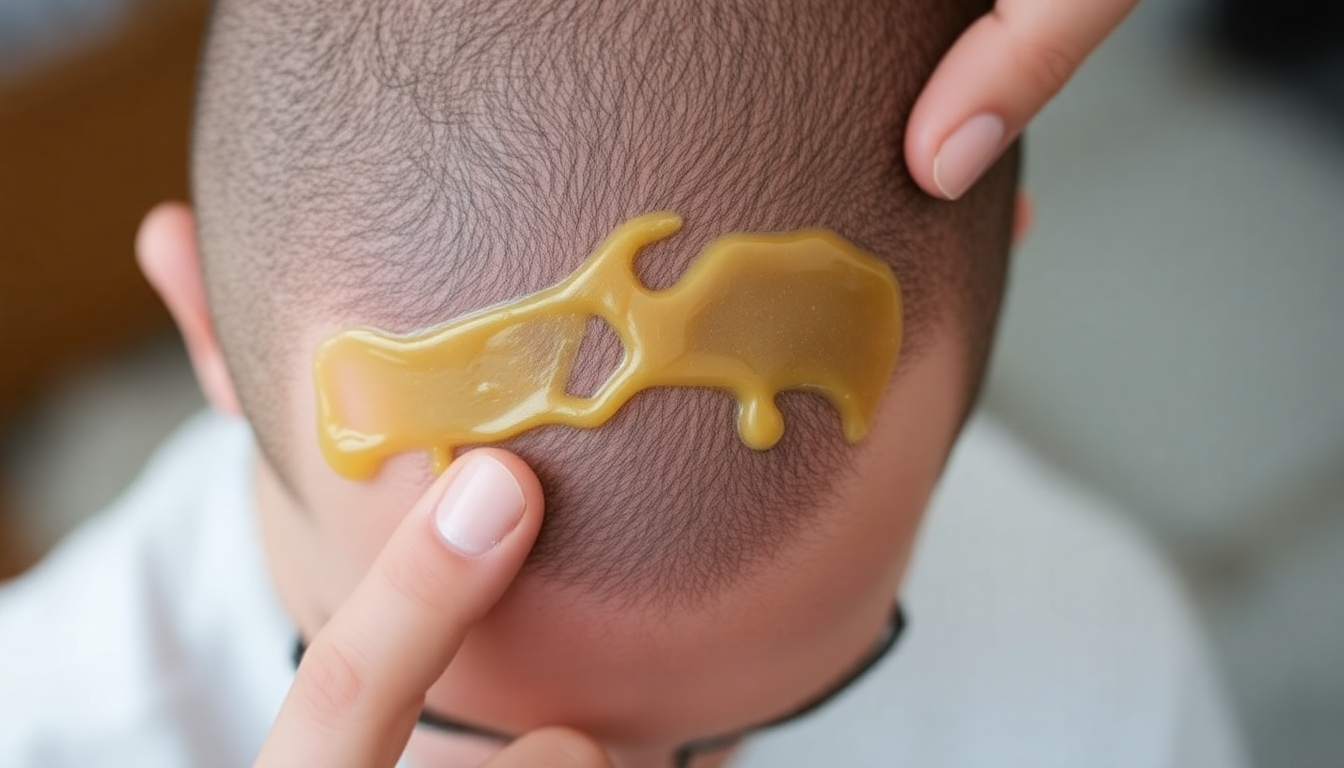
- Warm 1–2 tablespoons of batana oil and massage into scalp and hair for 5–10 minutes.
- Leave 60–90 minutes or overnight under a shower cap to emulsify waxy styling products and deeply condition the shaft.
- Double-cleanse with a clarifying shampoo to remove dissolved wax and oil residue.
-
Day 3 — Rosemary Serum: Scalp Stimulation & Follicle Support
- Use a diluted rosemary serum or a formulated rosemary hair oil. Apply to damp or dry scalp and massage 3–5 minutes. Leave in.
- Enhances circulation, helps reduce shedding, and supports an optimal scalp environment.
-
Day 5 — Chebe Treatment: Shaft Strength & Breakage Control
- Apply chebe paste or oil primarily to mid-lengths and ends—not directly to the scalp unless the product is formulated for it.
- Wrap hair in plastic and a scarf for 1–8 hours depending on product recommendations, then rinse and condition. This reduces breakage and improves length retention.
-
Day 7 — Clarifying Wash + Scalp Exfoliation
- Use a clarifying shampoo or a gentle scalp scrub to remove remaining buildup. Follow with a light conditioner focused on lengths.
- Finish with a short scalp massage to increase blood flow and soothe follicles.
Batana Oil: Origins, benefits and best practices
Batana oil is a rich, dark oil traditionally used in Central and South American and Afro-Indigenous communities for hair and skin. Its high fatty-acid content makes it effective at softening hardened styling waxes and deeply conditioning the hair shaft.
Benefits
- Dissolves and emulsifies wax-based stylers and heavy pomades.
- Deeply conditions cuticles, improving shine and reducing brittleness.
- Can reduce tangling and improve comb-through ease.
Application tips
- Warm the oil slightly before use. Warmth increases penetration and helps liquify waxy residues.
- Massage into the scalp with firm yet gentle pressure for 5–10 minutes to help oil emulsify wax and support circulation.
- Use a shower cap and allow 60–90 minutes or overnight for maximum effect.
- Double-shampoo: first with a gentle oil-removing or clarifying cleanser, then with your regular shampoo. Follow with conditioner on the lengths only.
Product selection and where to buy
Look for cold-pressed, minimally processed batana oil or blends made specifically for hair. For curated, high-quality options and blends that fit into a rotation program, consider checking specialized sellers like Sevich Collections.
Rosemary Serum: How it supports scalp health
Rosemary extract and rosemary essential oil are commonly used in scalp products because they may support circulation and help optimize the scalp environment for hair retention. Use properly diluted preparations rather than undiluted essential oil to avoid irritation.
Benefits
- Supports microcirculation on the scalp when combined with massage.
- Helps reduce sebum buildup when used as a light leave-in serum.
- Works well as a maintenance product between heavier oil treatments.
How to use safely
- If using rosemary essential oil, dilute to about 0.5–1% in a carrier (approximately 3–6 drops per ounce / 30 mL).
- Apply to damp or dry scalp; perform a 3–5 minute massage. No rinse needed.
- Use 2–3 times per week on non-wash days for best results.
- Stop use if you experience burning, redness, or irritation.
Choosing a rosemary product
Choose a product formulated for scalp use—serums that combine rosemary with carriers and supporting actives are often easier and safer to use than pure essential oil. For ready-made options, explore rosemary serums at trusted sellers like Sevich Collections rosemary hair oil.
Chebe Treatments: Tradition, composition and modern use
Chebe is a traditional mixture originating from the Sahel region, widely used by women to protect and lengthen hair. Modern chebe blends often contain natural resins, herbs, and oils that coat the hair shaft, reducing friction and breakage.
Benefits
- Coats and protects the cuticle, reducing mechanical damage.
- Improves moisture retention in the hair, especially mid-length to ends.
- Helps with length retention by minimizing split ends and breakage.
How to apply chebe
- Use on lengths and ends rather than the scalp unless the product is explicitly designed for scalp use.
- Apply a thin, even layer; avoid heavy application that can weigh down fine hair.
- Wrap hair in plastic and a warm scarf for 1–8 hours depending on the product guidelines; longer is not always better if your hair is fine.
- Rinse thoroughly and condition to remove residue without stripping the protective benefits.
Where to find modern chebe products
Look for wash-out chebe oils or paste blends intended for home use. Specialty sellers and artisan brands offer curated blends—examples include selections available at Sevich Collections chebe and hair-growth blends.
Detailed weekly routine with timing, product amounts and alternatives
-
Day 1 — Batana oil deep treatment
- Amount: 1–2 tablespoons for short-to-medium hair, up to 3 tablespoons for thicker or longer hair.
- Technique: Section hair and work warm oil into scalp and lengths. Use a scalp massager for 3–5 minutes.
- Alternatives: If you have a sensitive scalp, apply batana only to lengths and use a milder oil (jojoba or fractionated coconut) on the scalp.
-
Day 2 — Rest / light rinse if oily
- Skip heavy styling to allow the scalp to breathe. If hair feels oily, a light rinse and a small amount of conditioner on the ends is fine.
-
Day 3 — Rosemary serum
- Amount: 3–6 drops of diluted serum across the crown; increase for larger areas.
- Combine with a 3–5 minute manual scalp massage to maximize circulation benefits.
-
Day 4 — Light maintenance
- Minimal styling and gentle detangling. Use water-based styling products to reduce buildup.
-
Day 5 — Chebe treatment
- Apply a thin layer to mid-lengths and ends. If the paste is heavy, dilute slightly with a carrier oil.
- Leave time: 1–8 hours depending on product and tolerance; overnight for particularly strengthening blends.
-
Day 6 — Rinse + light conditioning
- Shampoo gently if necessary; avoid clarifier unless you have visible buildup.
-
Day 7 — Clarifying wash + scalp exfoliation
- A clarifying shampoo removes accumulated residues. Use a gentle scalp exfoliant (sugar scrub, scalp brush, or salicylic-acid-based scrub if compatible with your skin) for deep cleaning one time per week.
Adjustments for hair type and lifestyle
- Fine or thin hair: Use less oil, focus batana on lengths rather than the scalp, and reduce chebe frequency to every 10–14 days if product weighs hair down.
- Thick, coarse, or afro-textured hair: Use full-strength batana and chebe on lengths and ends; you can leave-in for longer durations if needed, and clarify weekly.
- Oily scalp: Avoid leaving heavy oils directly on scalp overnight; use batana for 60–90 minutes and always follow with clarifying shampoo.
- Daily wax/pomade users: Consider an additional clarifying wash mid-week and minimize wax use days (alternate with water-based products).
Scalp massage techniques that boost results
- Use fingertips (not nails) to make small circular motions across the entire scalp for 3–5 minutes.
- Try a silicone scalp brush for exfoliation during shampooing, but be gentle to avoid abrasion.
- For the rosemary serum, perform a focused 5-minute routine: central crown, front hairline, and temple areas where shedding is most apparent.
Nutrition, supplements and lifestyle for density
Topical care is only part of the equation. Nutrition, sleep, stress management, and medical factors also influence shedding and density.
Diet and hydration
- Protein: Hair is made of keratin (a protein). Sufficient dietary protein supports hair strength and growth.
- Micronutrients: Iron, vitamin D, zinc, biotin and B vitamins influence hair health. If you suspect a deficiency, get blood work and consult a clinician before supplementing.
- Hydration: Adequate water intake supports overall skin and scalp health.
Supplements: what to consider
- Biotin: Helpful for brittle nails and hair in deficiency states; routine use without deficiency has variable benefit.
- Multinutrient formulas: Look for clinically dosed products with iron (if deficient), vitamin D, zinc, and B vitamins where appropriate.
- Prescription or clinically proven options: If you have pattern hair loss, consult a dermatologist for evidence-based medical treatments.
Styling, tools and daily habits that protect density
- Limit heat styling and use heat protectants when needed.
- Avoid tight styles and excessive brushing when hair is wet.
- Use lightweight, water-based styling products on non-wax days.
- Sleep on satin or silk pillowcases to reduce friction.
Troubleshooting common issues
- Excess oiliness after batana: Use shorter application times and a stronger clarifying shampoo. Apply batana mainly to lengths next time.
- Itching or irritation from rosemary serum: Lower the dilution or discontinue. Try a non-essential-oil rosemary extract formulation instead.
- Chebe feels too heavy: Use less product and limit application to mid-lengths and ends; space applications further apart.
- No improvement after 3 months: Reassess frequency and product quality. Consider medical causes (androgenetic alopecia, telogen effluvium) and consult a healthcare provider.
How long until you see change?
Hair growth and density restoration are gradual. Typical timelines:
- Initial scalp improvement (less itching, less residue): 1–4 weeks.
- Reduced shedding and breakage: 8–12 weeks with consistent care.
- Visible density change: 3–6 months for many men depending on underlying cause and baseline health.
Top product-checklist and keywords to search
When shopping, use these strategic keywords to find effective products and trusted sellers. Look for:
- 'Cold-pressed batana oil for hair'
- 'Rosemary scalp serum for hair growth' or 'diluted rosemary hair oil'
- 'Washable chebe paste' or 'chebe oil blend for length retention'
- 'Clarifying shampoo for wax and pomade'
For curated, high-quality options that fit into this rotation program—batana oil blends, rosemary serums, chebe treatments and other hair growth products—explore selections at Sevich Collections. They offer blends and kits that match the steps in this plan and can simplify sourcing.
Frequently Asked Questions (expanded)
- Can batana oil remove wax from hair? Yes. Warming and massaging batana oil helps emulsify and loosen wax-based stylers so a clarifying shampoo can remove them more easily.
- Is rosemary oil safe to use daily? High-concentration rosemary essential oil can irritate. Use a diluted serum or a formulated product 2–3 times weekly for most people.
- Will chebe make my hair greasy? It can if over-applied. Use conservative amounts on lengths and rinse thoroughly post-treatment; choose oil-based chebe blends when you want a wash-out option.
- Do I need to stop using styling wax entirely? Not necessarily. Reduce frequency, use less product, and commit to weekly clarifying and oil-prep steps to prevent long-term buildup.
- When should I see a doctor? Seek medical advice if you experience sudden, rapid shedding, painful inflammation, open sores, or signs of infection on the scalp.
Sample shopping list for a starter kit
- Cold-pressed batana oil (1–4 oz)
- Diluted rosemary scalp serum or rosemary hair oil (1–2 oz)
- Chebe paste or chebe oil blend (small jar)
- Clarifying shampoo formulated for wax/pomade removal
- Gentle weekly scalp exfoliant (scrub or chemical exfoliant suitable for scalp)
- Soft-bristled brush or silicone scalp massager
For an easy start, consider buying a pre-curated kit from reputable sellers. If you want a one-stop shop for batana, rosemary, chebe and complementary hair-growth products, check curated kits at Sevich Collections.
Final checklist before you begin
- Patch-test any new product for 24–48 hours.
- Take a "before" photo in bright, even light for baseline tracking.
- Stock a clarifying shampoo and a hydrating conditioner.
- Plan your week around treatment days and reduce heavy styling on those days.
Conclusion: Consistency, patience and targeted rotation
Reviving thinning hair and countering wax build-up takes a multi-pronged approach: dissolve the buildup with batana oil, support the scalp and follicles with rosemary serum, and protect and strengthen strands with chebe treatments. Rotating these treatments weekly keeps the scalp balanced and the shaft protected without overloading your routine. Record progress, adapt to your hair type, and seek medical advice if you suspect an underlying condition.
If you're ready to start and prefer curated, ready-to-use products and kits that align with this plan, consider exploring the selection of targeted blends and hair growth items at Sevich Collections. Their product range can help you implement this rotation with quality oils, serums and chebe treatments—shop now to simplify your at-home hair revival.
Disclaimer: This article is for general informational purposes and does not replace professional medical advice. If you have significant hair loss or scalp disease, consult a dermatologist or qualified healthcare professional.

留言
此網站已受到 hCaptcha 保護,且適用 hCaptcha 隱私政策以及服務條款。