
Introduction
If you regularly use styling wax, follow chebe routines, or are seeking to reduce mechanical shedding while improving the uptake of active treatments, a sustained-release Batana scalp infusion paired with rosemary and vitamin E is an adaptable, low-risk strategy. This expanded guide explains the why and how, provides multiple DIY formulations for different hair types, outlines a practical pre-chebe schedule, and offers troubleshooting and evidence-informed tips so you can reliably dissolve waxy residues, reduce fallout, and prepare hair for maximum absorption of chebe and other treatments.
How This Protocol Works — The Science in Plain Language
The idea behind a sustained-release, low-dose pre-chebe infusion is simple: use a carefully balanced oil blend to gently dissolve and loosen waxy styling residues and product build-up without smothering the scalp or hair. Instead of saturating hair with a heavy oil that sits on the surface, the low-dose approach deposits small, effective amounts of conditioning lipids and antioxidants that:
- Loosen and solubilize waxy styling products (oils dissolve oil-based residues more effectively than water).
- Smooth the hair shaft to reduce friction-related shedding during styling and manipulation.
- Create a receptive scalp and cuticle state so chebe pastes and active oils penetrate more uniformly.
Vitamin E acts as an antioxidant and stabilizer, while rosemary essential oil contributes aromatic benefits and a perceived scalp-stimulating effect. Batana brings a fatty-acid profile and light film-forming properties well-suited to conditioning without heavy occlusion when used in low concentrations.
Ingredient Deep Dive
- Batana oil: Extracted from the fruit/seed of the American oil palm family in traditional communities. It contains fatty acids that help smooth and condition the hair shaft and a light film-forming ability that helps release sticky residues when combined with a lightweight carrier.
- Rosemary essential oil: A popular botanical for scalp health. Many users report improved scalp sensation and a fresher environment; research indicates rosemary has bioactive constituents with antioxidant and circulation-supporting properties when applied topically (note: results vary and individual response differs).
- Vitamin E (tocopherol): An antioxidant commonly used to prevent rancidity in oil formulations and to support barrier health of skin and scalp.
- Lightweight carrier oils: Fractionated coconut oil or jojoba are excellent carriers for this protocol because they spread easily, penetrate without heavy buildup, and carry small amounts of Batana in a gentle matrix.
- Optional emulsifiers: Mild, sulfate-free clarifiers or conditioner emulsions can help lift dissolved wax during the rinse phase without stripping natural oils.
Why Low-Dose and Sustained-Release — Not Heavy Oil Baths
Many heavy-oil pre-treatments coat hair and trap the very residues you’re trying to remove, or they impede penetration of chebe pastes. A low-dose sustained-release approach instead:
- Presents conditioning lipids gradually so the scalp doesn’t become overly occluded.
- Provides continued mild solvent action to break down waxes over time.
- Makes it easier to follow with chebe without interfering with the paste’s adhesiveness and moisture-retention mechanics.
Formulations — DIY Recipes for Different Needs
All formulations below are given for a 30 mL (1 fl oz) batch. Use clean tools and a dark-glass bottle for storage. Adjust volume proportionally for larger batches.
Balanced Low-Dose Pre-Chebe Infusion (Everyman Formula)
- Fractionated coconut oil or jojoba: 26.5 mL (88%)
- Batana oil: 2 mL (6.5%)
- Vitamin E (tocopherol): 3 drops (~0.5%)
- Rosemary essential oil: 4 drops (~0.5–0.8%)
Dry/Porous Hair Variation (more conditioning, still low-dose)
- Jojoba: 24 mL (80%)
- Batana oil: 4 mL (13%)
- Vitamin E: 4 drops (0.6%)
- Rosemary essential oil: 3 drops (0.4%)
Oily Scalp / Wax Dissolve Focus (lighter, faster rinse)
- Fractionated coconut oil: 27.5 mL (92%)
- Batana oil: 1 mL (3%)
- Vitamin E: 2 drops (0.3%)
- Rosemary essential oil: 3 drops (0.4%)
Scalp-Calming Version (sensitive skin)
- Jojoba: 28 mL (93%)
- Batana oil: 0.7 mL (2%)
- Vitamin E: 3 drops (0.5%)
- Lavender essential oil: 4 drops instead of rosemary (0.6%)
How to Prepare and Store Your Infusion
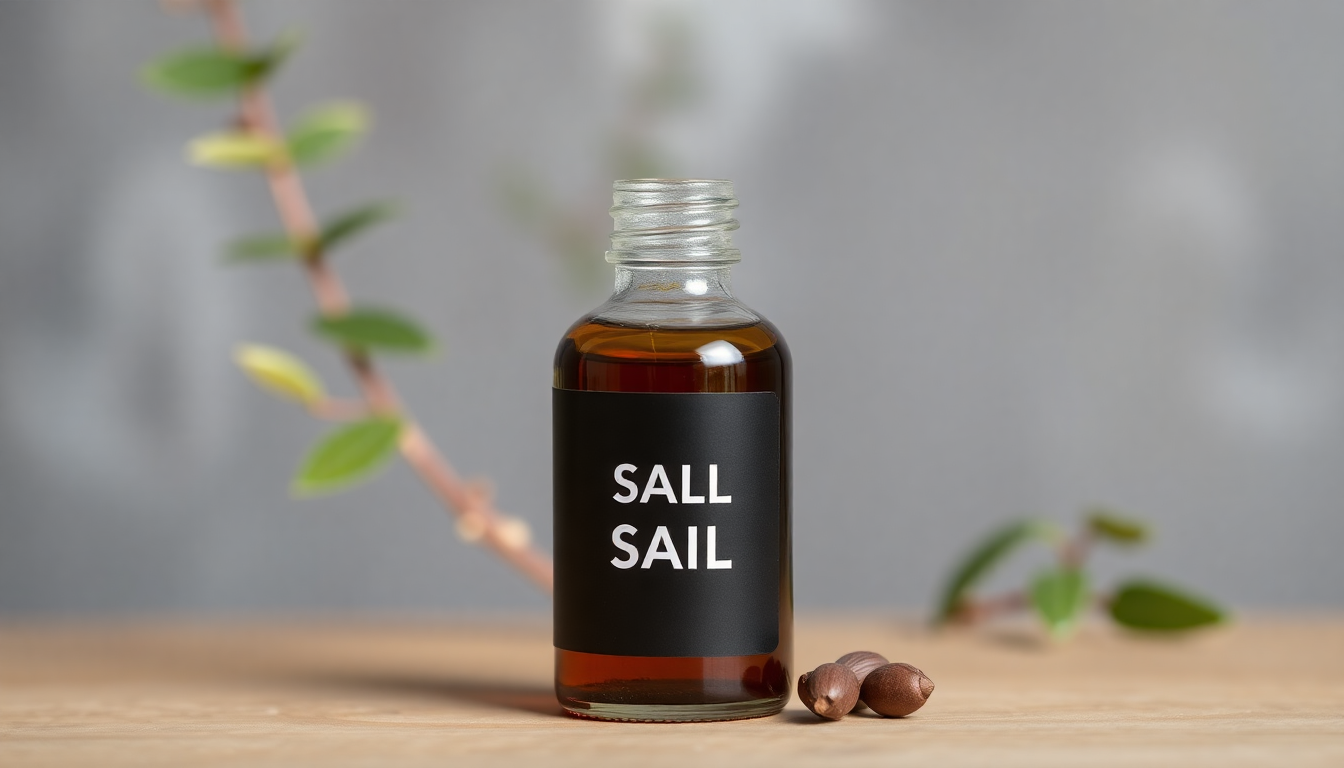
- Use sterile glassware and a dark glass bottle with a dropper or roller attachment for easy, measured application.
- Label the bottle with formulation date and ingredients.
- Store in a cool, dark place. With vitamin E added, expect freshness for 6–12 months; discard if smell turns rancid or color changes significantly.
Detailed Step-by-Step Pre-Chebe Protocol
- Start with a mild cleanse: Use a sulfate-free shampoo or co-wash to remove surface dirt. Pat hair until slightly damp — do not let it drip.
- Patch test: Apply a drop of the blend to an inner forearm or behind the ear and wait 24 hours to rule out irritation.
- Section hair: Divide into 6–8 sections for even application.
- Apply low-dose infusion: Use 1–2 drops per section directly on the scalp; if using a roller, a light pass per part is sufficient. Total for a full scalp application should be small — 6–12 drops for a 30 mL batch is typical.
- Massage: Gently massage for 60–90 seconds per section to warm the oil and assist in dissolving waxy residues. Use finger pads and slow circular motions, working from hairline to crown.
- Wait: Leave the infusion on for 30–60 minutes. For a sustained-release effect, you may leave a minimal residual amount on overnight before chebe (especially in dry hair protocols), but avoid heavy saturation.
- Optional light emulsifying rinse: If you prefer to remove dissolved wax before applying chebe, use a small amount of diluted conditioner (1 part conditioner to 10 parts water) to emulsify and lift residues. Rinse with lukewarm water.
- Apply chebe: While hair is slightly damp (not dripping) apply your chebe paste according to your preferred method.
Weekly and Monthly Schedule Recommendations
- Regular chebe users: Use the low-dose infusion 1–2 times per week as a pre-chebe step, alternating with regular wash days.
- For heavy wax buildup: Start with twice weekly for 2–3 weeks, then reduce to maintenance frequency.
- Maintenance: If you rarely use heavy styling waxes, a pre-chebe infusion once weekly or every other week is often sufficient.
Advanced Techniques — Tools and Thermal Aids
These methods can increase the efficacy of the infusion but should be used cautiously:
- Warm application: Place the sealed bottle in warm water for a few minutes to slightly increase the oil’s solvent action. Do not microwave essential oils.
- Low heat: After application, sitting under a low-heat dryer or using a steaming cap for 10–15 minutes can open cuticles mildly and enhance penetration. Avoid overheating.
- Gua sha or soft scalp massager: Gentle mechanical stimulation helps dislodge softened residues and improves circulation.
Troubleshooting and When to Adjust
- Greasy build-up: Reduce Batana percentage and increase lightweight carrier. Use an emulsifying rinse to lift residues more effectively.
- Irritation or itching: Stop use. Reduce rosemary concentration or swap to a milder essential oil (e.g., lavender). Seek medical advice for persistent reactions.
- Persistent product residue: Use a clarifying wash once every 2–4 weeks (mild surfactant), but avoid overuse as it can dry the scalp.
- Excessive shedding or sudden hair loss: This protocol can reduce frictional shedding but cannot treat medical causes of hair loss. Consult a dermatologist if you experience rapid or significant hair loss.
Combining with Other Haircare Practices
To get the most from your pre-chebe infusion, combine it with supportive habits:
- Handle hair gently when wet; use a wide-tooth comb.
- Minimize frequent heat styling and tight hairstyles that increase mechanical shedding.
- Maintain scalp hygiene without over-stripping; balance clarifying washes with moisturizing treatments.
Real-World Use Cases and Examples
Below are practical examples of how different users might integrate the infusion into their routines.
- Active stylist or frequent wax user: Apply the oily infusion 30–60 minutes before a light rinse or co-wash, then use chebe as normal. This helps dissolve wax built up from styling.
- Chebe devotee struggling with absorption: Use the low-dose infusion the night before applying chebe; mild residual oil can improve chebe adhesion and reduce the need for large paste quantities.
- Dry, breaking hair: Use the dry hair variation and follow with low-heat sealing to help retain moisture and reduce manipulation-related shedding.
Frequently Asked Questions (Expanded)
- Will rosemary promote hair regrowth? Some users and limited studies report benefits like improved scalp sensation and localized circulation, which may support a healthy scalp environment. However, results vary and rosemary should not be considered a guaranteed regrowth treatment. For medical hair loss, consult a professional.
- Is Batana better than castor oil for chebe routines? Batana and castor oil have different properties. Castor oil is thicker and more occlusive, while Batana offers conditioning without the same viscosity. Many users find Batana easier to work with when they want to avoid heavy buildup prior to chebe.
- Can I use this on children or during pregnancy? Essential oil use in children and pregnancy requires caution. Reduce concentrations, avoid certain oils, and consult a healthcare provider before use.
Where to Source Quality Ingredients
Quality and sourcing matter. For convenient access to Batana oil, rosemary-infused carriers, and vitamin E stabilized blends, consider reputable specialty suppliers that list sourcing and processing details. If you prefer ready-made products rather than DIY blending, curated lines save time and ensure correct dilution.
For example, check out trusted formulations and ingredients at Sevich Collections — they offer artisanal Batana oil products, rosemary-infused carriers, and vitamin E–stabilized blends suitable for pre-chebe and general haircare routines. Look for product descriptions that detail concentration and recommended usage to match the low-dose approach described here.
Packaging, Labeling and Small-Batch Manufacturing Tips
- Use amber or cobalt blue glass bottles to reduce light exposure.
- Include batch numbers and a "use by" date on labels to manage freshness.
- For small-batch production, keep ingredient sourcing consistent and test each batch for odor and color stability.
Legal and Safety Notes
This article provides general cosmetic and routine guidance. It is not medical advice. If you have an active scalp condition, persistent irritation, or notable hair loss, consult a licensed dermatologist or healthcare professional before starting new topical regimens. Essential oils can cause allergic reactions in some individuals; patch testing is strongly recommended.
Conclusion — Practical, Low-Dose, High-Impact
A sustained-release Batana scalp infusion with rosemary and vitamin E can be a strategic addition to chebe and styling-focused routines. By using low doses and lightweight carriers, you dissolve waxy residues, smooth hair shafts to reduce frictional shedding, and prime the scalp for better absorption of chebe pastes and active oils. The approach emphasizes repeatable, gentle conditioning rather than heavy coating — ideal for long-term scalp health and consistent results.
If you want ready-to-use blends or high-quality Batana oil and rosemary-infused bases to implement this protocol without DIY mixing, explore curated options at Sevich Collections. Their selection includes Batana oil, rosemary carrier blends, and vitamin E–stabilized formulas designed for pre-chebe and everyday haircare — a convenient way to start this low-dose routine and see how it fits your regimen. Visit Sevich Collections to shop products and supplies that support healthier, less shedding-prone hair.
Final note: For severe or sudden hair loss, medical evaluation is essential. Use cosmetic routines like this one to maintain scalp health and reduce mechanical shedding, but seek professional care when needed.


Yorum yazın
Bu site hCaptcha ile korunuyor. Ayrıca bu site için hCaptcha Gizlilik Politikası ve Hizmet Şartları geçerlidir.