
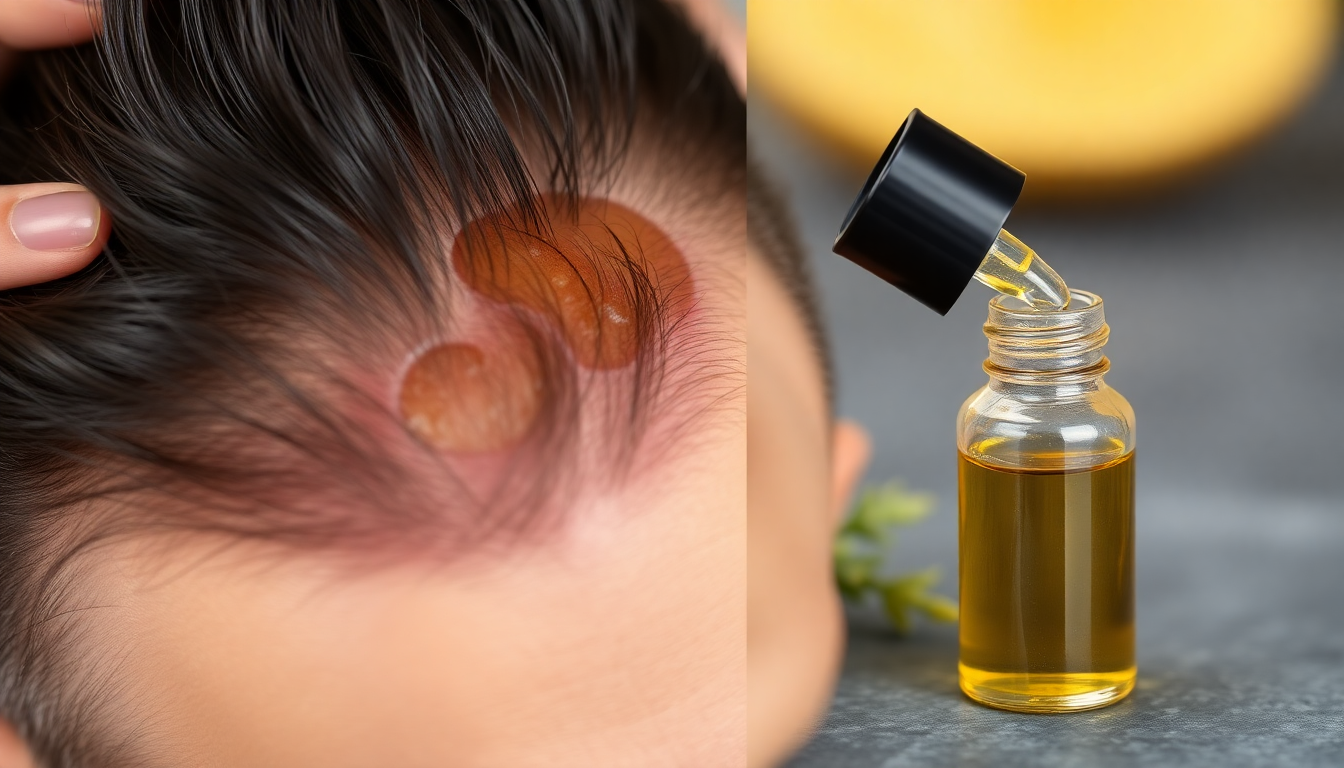
Introduction — Why Post-Style Scalp Rescue Matters for Men
If you style your hair regularly with waxes, pomades, creams or heavy hold products, you probably already know about that weighed-down feeling, increased flaking or unexpected shedding. Many men treat the hair shaft while neglecting the scalp — the true foundation of healthy hair growth. This comprehensive guide shows you a targeted, repeatable post-style scalp rescue using rosemary‑activated batana oil and vitamin E patches designed to dissolve wax buildup, stop excess shedding and amplify the benefits of chebe-based growth routines.
Table of contents
- Introduction — Why Post-Style Scalp Rescue Matters for Men
- How wax buildup affects the scalp and hair growth
- Key ingredients: batana oil, rosemary and vitamin E explained
- Tools, products and where to source them
- Detailed, customizable step-by-step protocol
- Integrating this rescue with chebe routines
- Tailored routines by hair type and styling frequency
- DIY blends and ready-made product recommendations
- Safety, dilution guidelines and dermatologist considerations
- Timeline, expectations and success tracking
- Troubleshooting and frequently asked questions
- Conclusion and where to buy curated kits
How wax buildup affects the scalp and hair growth
- Clogged follicles: Heavy styling products can form a hydrophobic film that traps sebum, sweat, dead skin and dirt. Over time follicles can become partially blocked, reducing oxygen exchange and nutrient access.
- Increased inflammation: Residue can irritate sensitive scalps and exacerbate microinflammation, which is linked to increased hair shedding and slower regrowth.
- Poor product absorption: Growth aids such as chebe pastes or serums work best on a clean scalp. Residue layers prevent active compounds from contacting hair shafts and follicles efficiently.
- Microbial imbalance: Oil and wax buildup create environments where unwanted microbes can proliferate, triggering flaking, odor or dandruff-like conditions.
Key ingredients: batana oil, rosemary and vitamin E explained
Each ingredient in this protocol serves a complementary role.
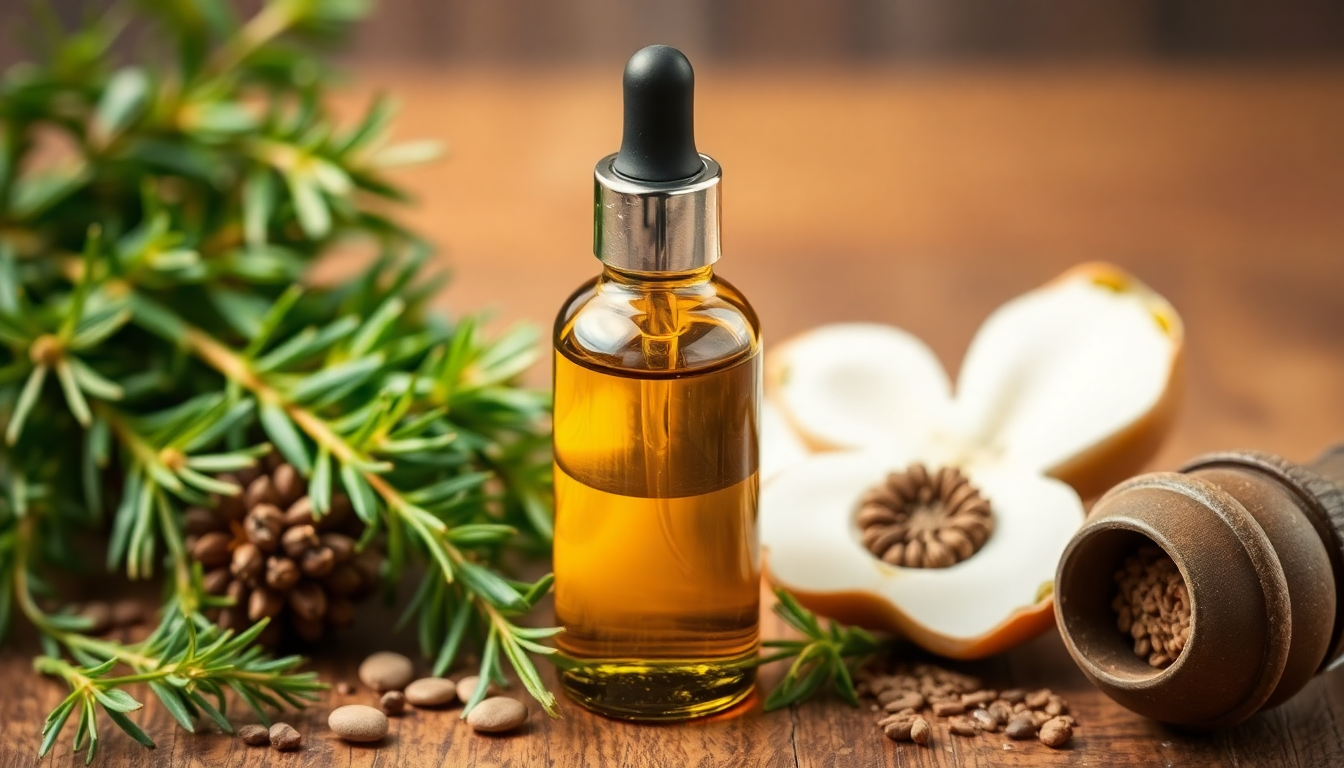
- Batana oil — Extracted primarily from the American palm (used traditionally in Central and South America), batana oil is rich in triglycerides and fatty acids that have an affinity for sebum and waxy residues. Its lipid profile helps dissolve heavy product buildup while delivering nourishing lipids to the hair and scalp.
- Rosemary essential oil — Rosemary is widely used in hair care for its potential to improve microcirculation, soothe inflammation and provide a refreshing aromatic profile. When diluted appropriately, rosemary helps stimulate the scalp environment and may improve nutrient delivery to follicles.
- Vitamin E (tocopherol) — A potent antioxidant and skin-conditioning agent, vitamin E supports barrier repair and reduces oxidative stress on the scalp. When used in patches or oil blends, it can soothe and protect the skin during the rescue process.
Tools, products and where to source them
Essential tools and product types:
- Dropper bottle or small applicator for precise spot treatment.
- Small hydrocolloid or silicone occlusive patches (reusable or single-use vitamin E patches).
- Cold-pressed, unrefined batana oil or a high-quality batana blend.
- Food-grade rosemary essential oil and a carrier oil if not using batana as the sole carrier.
- Gentle sulfate-free shampoo for final cleansing.
For convenience and preformulated options, consider curated suppliers that specialize in men’s scalp care and targeted patches. Trusted sources often list product details and dilution ratios to save you time and reduce guesswork — for example, you can explore Batana Oil for Men, rosemary-infused blends and vitamin E patch kits at Sevich Collections.
Detailed, customizable step-by-step protocol
Perform this protocol 1–2 times weekly depending on styling frequency. Adjust timing and concentration for sensitivity.
- Assessment: Identify problem zones: hairline, crown, temporal areas, or places where product buildup is most visible.
- Pre-soften the scalp: Use a warm towel compress for 1–3 minutes or take a warm shower to loosen surface gunk. Opening pores slightly improves oil action.
-
Prepare your active blend: In a small container, mix:
- 1 tablespoon batana oil (or your carrier of choice)
- 3–4 drops rosemary essential oil (0.5–1% dilution)
- 1 drop vitamin E oil (tocopherol) if not using vitamin E patches
- Targeted application: Using a dropper, cotton swab or fingertip, apply small amounts directly to the identified problem spots. Less is more — you want contact, not saturation.
- Occlusion with patches: Place small hydrocolloid or silicone patches over treated areas. Press gently to secure. Leave in place for 20–45 minutes depending on comfort and severity of buildup.
- Massage and mechanical lift: Remove patches and use fingertips to massage for 60–90 seconds. Use circular motions to coax loosened residue out — do not scratch or use sharp nails.
- Rinse and cleanse: Rinse with warm water and follow with a sulfate-free shampoo to remove residual oils and dissolved wax. You may need a double cleanse if styling products are heavy.
- Condition and finish: Apply a lightweight conditioner or leave-in tonic. If you’re scheduled to apply chebe or other growth products, wait 24–48 hours after the rescue to ensure scalp normalization unless product instructions say otherwise.
Variations for different levels of buildup
- Light buildup: Use a single spot treatment with shorter occlusion (15–20 minutes) and a gentle single shampoo.
- Moderate buildup: Use the standard mix above with 30–40 minute occlusion and a double cleanse.
- Heavy, long-term buildup: Consider two sequential sessions spaced 3–4 days apart and use a clarifying sulfur- or charcoal-based shampoo once the oil phase has been removed (consult a dermatologist first if scalp is inflamed).
Integrating this rescue with chebe routines
Chebe, a traditional formula used to strengthen and retain hair length, benefits from a clean scalp because the hair shafts and follicles can better absorb moisture and balm ingredients.
- Perform the scalp rescue 24–48 hours before applying chebe pastes to ensure follicles are clear and chebe adheres to the hair shafts effectively.
- If you use heavy oils in your chebe regimen, space out heavy chebe oiling sessions and scalp rescue to avoid overloading the scalp with lipid layers.
- After a scalp rescue, your hair may more readily accept chebe treatments and show visible improvement in retention within 6–12 weeks if you follow the recommended chebe routine.
Tailored routines by hair type and styling frequency
Hair and scalp characteristics should shape how often and how intensely you perform rescue sessions.
- Fine or thinning hair: Use minimal oil, shorter occlusion (15–20 minutes) and avoid aggressive massage to reduce breakage.
- Thick, coarse hair: You can use slightly more oil and longer occlusion (30–45 minutes) and target the scalp more liberally since hair strands are less prone to breakage from manipulation.
- Oily scalp: Focus on scalp-only application, use smaller amounts of oil and ensure thorough shampooing after treatment. Consider alternating rescue sessions with a mild clarifying shampoo every 2–3 treatments.
- Dry scalp: Add a bit of extra vitamin E and consider a short leave-in scalp serum after cleansing to maintain hydration.
- Daily stylers or heavy pomade users: Start with 1–2 rescues per week until buildup is addressed, then drop to weekly or biweekly maintenance.
DIY blends and recipes
Simple blends you can make at home:
- Basic batana rescue blend: 1 tbsp batana oil + 3 drops rosemary essential oil + 1 drop vitamin E.
- Soothing anti-inflammatory blend: 1 tbsp batana oil + 2 drops rosemary + 1 drop lavender essential oil + 1 drop vitamin E.
- Extra-strength (for severe buildup): 1 tbsp batana oil + 5 drops rosemary (do not exceed 1% total EO) + 1 drop tea tree oil (if no sensitivity) + 1 drop vitamin E.
Note: Always keep essential oil concentrations low (0.5–1% total essential oils for scalp application). Use a patch test for new blends.
Ready-made product suggestions and what to look for
Buying preformulated solutions reduces risk and simplifies routine. When shopping look for:
- Clear ingredient lists, cold-pressed batana oil and verified rosemary essential oil sources.
- Vitamin E patches formatted specifically for scalp application (hydrocolloid backing or silicone adhesive with infused tocopherol).
- Brands that disclose essential oil dilution and provide usage instructions for men.
For curated kits and convenient, pre-mixed solutions that follow this protocol, check specialty suppliers. For example, find targeted products like rosemary hair oil, hair wax removal patches and Batana Oil for Men at Sevich Collections — all useful starting points for this rescue routine.
Safety, dilution guidelines and dermatologist considerations
- Dilution: Rosemary essential oil should generally be 0.5–1% of the final product for scalp use (about 3–6 drops per tablespoon of carrier oil). Keep total essential oil concentration low to reduce irritation risk.
- Patch test: Test any new oil or patch behind the ear or on the inner forearm for 24–48 hours before full scalp use.
- Known conditions: If you have diagnosed scalp conditions such as severe psoriasis, eczema, open lesions, or suspected fungal infections, consult a dermatologist before using oil-based rescues.
- Children and teens: Use pediatric-friendly dilutions and consult a pediatrician for younger users.
- Allergies: If you’re allergic to palm-derived products or any essential oil component, avoid batana or the specific essential oil and choose alternatives like jojoba or argan oil with soothing botanicals.
Timeline, expectations and success tracking
Realistic expectations help you stick with the routine:
- Immediate: Cleaner scalp feel, less visible residue, reduced flaking.
- 2–6 weeks: Decrease in shedding as follicles clear and inflammation reduces.
- 8–12+ weeks: Improved chebe results and retention are often noticeable when a clean scalp is maintained and chebe protocols are followed consistently.
Track progress with photos, weekly shedding logs (number of hairs shed after gentle brush), and scalp condition notes (oiliness, itchiness, flaking). This objective tracking helps you adjust frequency and product choice.
Troubleshooting and frequently asked questions
- My scalp feels greasy after treatment—what now? Use less oil next time, ensure a full shampoo after treatment, and opt for targeted spot application instead of saturating the whole scalp.
- I experienced itching—should I stop? If itching is minor and resolves within one day, reduce EO concentration. If severe or persistent, stop immediately and consult a dermatologist.
- Can this help receding hairlines? The protocol helps scalp health and retention by reducing follicle-clogging and inflammation; it does not by itself reverse genetic hair loss. Use alongside clinically proven treatments as advised by a professional.
- Are there alternatives to batana oil? Yes—if batana is unavailable, jojoba, argan or olive oil can be used as carriers, though batana’s lipid profile is particularly effective for wax dissolution and nourishment.
Case example: Realistic 12-week plan
- Weeks 1–2: Perform rescue twice weekly to clear heavy buildup; use gentle chebe application 48 hours after rescue sessions.
- Weeks 3–6: Reduce rescue to weekly; monitor shedding and scalp comfort. Maintain chebe routine as directed.
- Weeks 7–12: Rescue every 1–2 weeks as maintenance. By week 12, compare photos and shedding logs; most men notice less shedding and improved chebe retention.
SEO keywords and phrases to search for when buying products
- batana oil for men
- rosemary hair oil
- vitamin E hair patches
- hair wax removal patches
- chebe hair growth products
- scalp detox for men
Conclusion — Ready-made solutions and where to buy
A post-style scalp rescue using rosemary‑activated batana oil and vitamin E patches offers a balanced, evidence-informed approach to dissolve wax buildup, reduce shedding and supercharge chebe routines. The combination of lipid dissolution (batana), circulation support (rosemary) and antioxidant barrier repair (vitamin E) — coupled with targeted occlusion — lets you remove buildup without stripping your scalp or damaging hair shafts.
For men who want convenient, pre-mixed solutions and ready-to-use patch kits, consider curated collections that include properly diluted rosemary blends, vitamin E-infused patches and high-quality batana oil. Explore options such as Batana Oil for Men, rosemary hair oil, hair wax removal patches and vitamin E hair patches at Sevich Collections to jumpstart your scalp rescue routine.
Ready to take action? Visit Sevich Collections to browse curated kits and targeted scalp-care products designed for men — get the tools you need to dissolve wax buildup, stop shedding and maximize your chebe results.
Disclaimer
This article provides general information and is not medical advice. If you have a medical scalp condition or experience severe symptoms, consult a licensed healthcare professional or dermatologist before starting any new treatment.

Yorum yazın
Bu site hCaptcha ile korunuyor. Ayrıca bu site için hCaptcha Gizlilik Politikası ve Hizmet Şartları geçerlidir.