
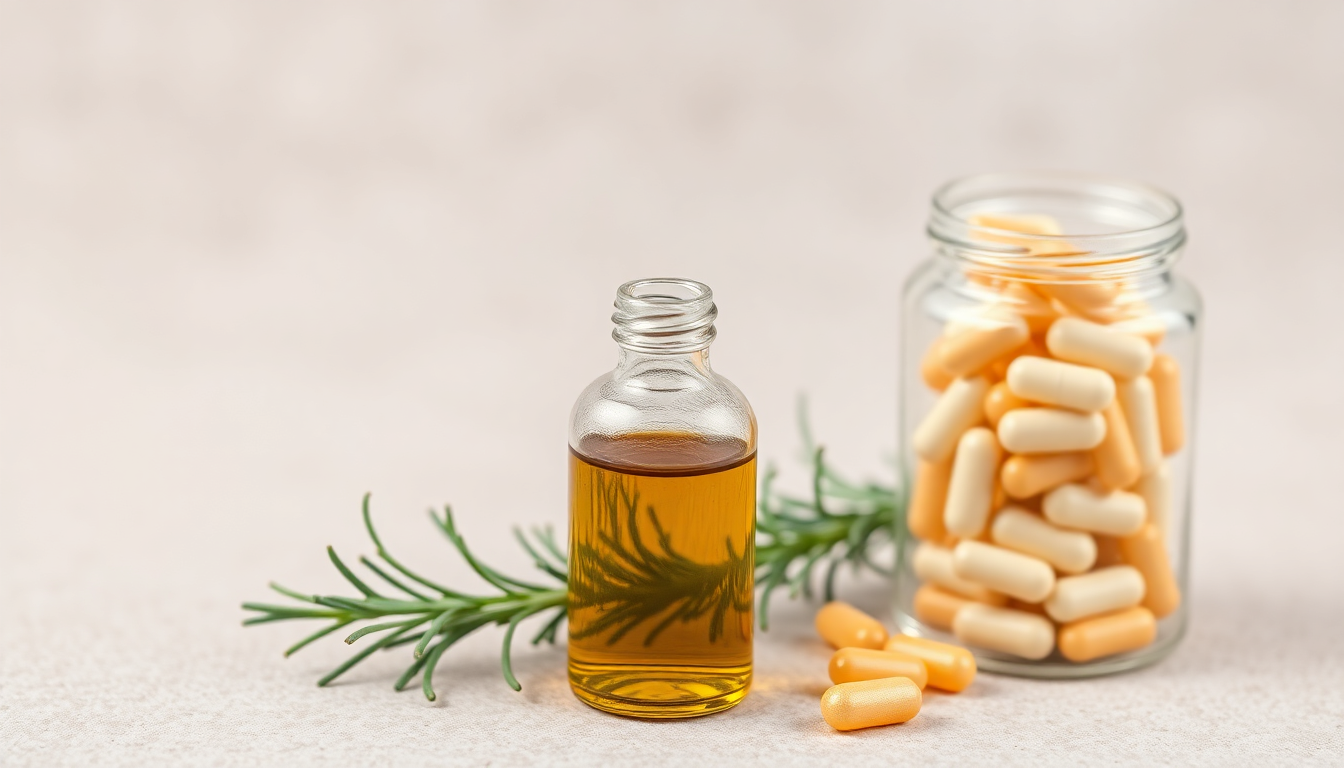
Introduction — A practical approach to maximize chebe effectiveness
If you use chebe as part of your natural hair-care ritual, you know it performs best when it adheres to clean, receptive hair. Unfortunately, product buildup, heavy styling waxes, silicones, and sebum can create hydrophobic films on the shaft and scalp that limit how deeply chebe's oils and botanicals penetrate. This article explains, in depth, how a rosemary‑activated batana oil blend enhanced with vitamin E can gently break down those wax films, increase follicle and cuticle permeability, and improve chebe uptake — safely and naturally.
The post includes the science behind each ingredient, multiple DIY recipes and protocols for different hair types, troubleshooting, sourcing advice, and an action plan for integrating this primer into your chebe routine.
Overview: Why follicle and cuticle permeability matters
- Hair absorption is primarily superficial — treatments work best when they reach the cuticle and lie along the shaft rather than merely sitting on top of residue.
- Waxy films repel water and some oils, causing uneven distribution of conditioning ingredients and making treatments feel less effective.
- Priming the hair with a compatible oil matrix can soften and disperse these films without harsh stripping, enabling deeper chebe adhesion and more even conditioning.
Hair anatomy and the barrier problem — what needs to change
Understanding where buildup occurs helps explain why a primer matters:
- The outermost cuticle is composed of overlapping scales coated with a lipid layer and bound by natural oils. Excess waxes or silicones can lodge or form an external film that increases hydrophobicity.
- The follicle opening and scalp surface can accumulate sebum and residual styling products that limit the transport of topical actives.
- To improve penetration, aim to gently soften or solubilize the outer film and create a lipid matrix that transfers chebe lipids into the hair shaft rather than creating another impermeable layer.
Why batana oil? Composition, properties, and benefits
Batana oil is a botanical oil valued in traditional hair care for its ability to condition, add shine, and improve manageability. Its molecular profile—rich in medium-chain triglycerides and a mix of fatty acids—makes it heavier than some carrier oils but lighter than waxes and silicones, allowing it to interact with and solubilize certain surface films.
- Medium-weight triglycerides can act as solvents for some waxy residues without harsh surfactants.
- Batana leaves a nourishing film that is breathable and less likely to cause hard buildup if used correctly.
- It complements chebe by providing a lipid backbone that helps botanical powders and oils adhere evenly to the shaft.
Rosemary essential oil: active constituents and how it helps
Rosemary essential oil contains compounds such as 1,8‑cineole (eucalyptol), camphor, and borneol, which have aromatic and topical actions. When diluted and massaged into the scalp, rosemary can:
- Temporarily increase microcirculation and create mild warming, improving the receptivity of the scalp and opening pathways for topical delivery.
- Assist in dispersing sebum films and help the oil matrix penetrate slightly deeper into the cuticle layers.
- Offer antimicrobial and antioxidant support to the scalp environment (supporting overall scalp health, though not a cure for infections).
Vitamin E (tocopherol): stabilization and delivery benefits
Vitamin E is a lipophilic antioxidant that stabilizes oil blends against rancidity and helps preserve delicate essential oils. In topical blends it:
- Acts as a carrier enhancer in small concentrations, helping the botanical oil matrix remain homogeneous.
- Provides antioxidant protection to scalp lipids, reducing oxidative stress from environmental exposure.
- Helps improve the sensory feel of the oil and may smooth the cuticle, improving perceived softness and shine.
How these three ingredients work together to prime hair for chebe
The synergy is simple and practical:
- Batana oil physically interacts with and softens wax films and heavy residues, acting as a gentle solvent and carrier for chebe lipids.
- Rosemary, when massaged in, increases local blood flow and helps the oil penetrate micro-level cuticle imperfections; its volatile compounds assist in dispersing sebum films.
- Vitamin E stabilizes the blend, protects sensitive oils, and enhances the compatibility of chebe's lipophilic components with the oil matrix.
What is chebe and why penetration matters
Chebe is a traditional conditioning mixture used to protect and lengthen hair, often made from powdered botanicals mixed with oils. For chebe to condition effectively, its lipids and powdered botanicals should coat and adhere to the shaft rather than simply clump on top of surface waxes. Better penetration results in more even coverage, longer retention on the hair, and improved conditioning performance over time.
Extended DIY recipes: small batch and large-batch formulas
Use single-quote attributes in HTML if you copy these recipes into web content. Adjust proportions by weight or volume as needed.
Basic primer (100 ml)
- 80 ml pure batana oil
- 18 ml light carrier oil (jojoba or fractionated coconut oil) to improve spreadability
- 1–2 ml vitamin E oil (approx 1%–2% by volume)
- 6–8 drops rosemary essential oil (1% dilution)
Light primer for fine hair (100 ml)
- 60 ml batana oil
- 38 ml jojoba oil (jojoba is closer to sebum and feels lighter)
- 1–2 ml vitamin E
- 3–5 drops rosemary (0.5%–1% dilution)
Overnight deep‑prime (200 ml)
- 160 ml batana oil
- 36 ml coconut fractionated oil
- 4 ml vitamin E
- 10–12 drops rosemary (1% dilution)
Preparation and storage best practices
- Mix oils in a sterilized, dark glass bottle to protect from light. Warm batana gently in a water bath under 40°C if solidified.
- Label with date and batch ingredients. Shelf life with vitamin E is typically several months to a year depending on storage and ingredient quality.
- Store in a cool, dark place; refrigeration may extend shelf life but can make the oil slightly viscous.
Step-by-step protocols: pre-wash primer, co-wash primer, and overnight method
Pre-wash primer (recommended for heavy buildup)
- Section dry hair into manageable parts.
- Apply a generous amount of the batana primer to the scalp and hair, massaging for 3–6 minutes to activate rosemary's warming effect and help the oil contact the wax films.
- Leave 30–60 minutes; for stubborn buildup, leave overnight under a satin cap.
- Co-wash or use a gentle clarifying shampoo to rinse dissolved oils and residues, then apply chebe to freshly damp hair for best adhesion.
Co-wash primer (for dry or curly hair)
- Mix a small amount of the primer into your conditioner (1–2 teaspoons per 50 ml of conditioner) to create an in-shower priming step.
- After shampooing lightly or co-washing, apply the conditioner blend, leave 5–10 minutes, rinse, and then apply chebe as usual.
Overnight deep-prime (for intensive conditioning)
- Apply the primer generously, focusing on ends and areas with buildup.
- Massage for several minutes, then braid or wrap hair and wear a satin cap overnight.
- In the morning, rinse lightly or co-wash, then apply chebe for extended wear.
Integrating with your chebe routine — timing and frequency
- Use the primer before chebe applications when you notice buildup or if chebe seems to sit on the surface rather than spread.
- For regular chebe users, priming once every 1–2 weeks helps maintain receptivity without over-oiling.
- Fine-hair users should use a lighter primer and reduce frequency to prevent greasiness.
Troubleshooting and FAQs
- My hair feels greasy after using the primer. Use less product, add more light carrier oil to your blend, or use the co-wash method to remove excess. Clarifying shampoo once every 2–4 weeks can also help.
- Chebe still clumps after priming. Ensure you rinsed dissolved residues properly. Try a light dilution of chebe with a carrier oil to improve spreadability.
- I experienced scalp irritation. Stop use immediately. Perform a patch test next time and reduce rosemary concentration to 0.5% or discontinue essential oil if sensitivity persists.
- Can I use this if I color my hair? Generally yes, but patch test and consult your colorist for specific treatments; excessive oils can affect some salon processes if applied immediately before color services.
Safety, contraindications, and professional guidance
- Always perform a 24-hour patch test before using new essential oil blends on the scalp.
- Avoid undiluted rosemary essential oil on the skin. Use lower dilutions for sensitive scalps and pregnant people should consult their healthcare provider before using rosemary essential oil.
- If you have severe scalp conditions such as psoriasis, severe eczema, or open sores, consult a dermatologist before using any topical botanical preparations.
How to evaluate results and set realistic expectations
Improvements in manageability, shine, and how evenly chebe spreads are often noticeable within a few treatments. Structural changes like increased thickness or regrowth are influenced by many internal factors (nutrition, genetics, hormonal status) and are not guaranteed from topical treatments alone. Use the primer consistently and track changes with photos and notes over 6–12 weeks for a fair assessment.
Sourcing quality ingredients and strategic product recommendations
Ingredient quality affects results. Look for cold-pressed batana oil, therapeutic-grade rosemary essential oil with clear botanical identification (Rosmarinus officinalis), and pure tocopherol vitamin E. For convenience and verified blends, consider curated vendors that specialize in natural hair-care oils. If you want ready-made options, explore products like artisanal batana oil, fragrance-free rosemary hair oil, and antioxidant-rich vitamin E hair serum from trusted collections.
Advanced tips for professionals and enthusiasts
- Barbers and stylists can use a light batana primer before deep conditioning services to improve distribution of botanical treatments.
- Combine with low‑heat treatments (micro-steam, warm towel) for a brief period to increase cuticle permeability but avoid high heat which can denature oils or irritate the scalp.
- Formulate custom blends for clients with specific needs — e.g., higher jojoba ratios for oily scalps, more batana for brittle, highly textured hair.
Case study-style example routine (for long, textured hair)
- Night 1: Apply overnight batana primer with rosemary (leave on under satin cap).
- Morning 2: Co-wash and apply chebe mixture to damp hair. Braid and let sit 2–3 hours or overnight.
- Rinse with cool water, proceed with protective styling. Repeat primer 1–2 times per month or before each chebe application depending on buildup.
Final thoughts and invitation
Increasing follicle permeability naturally is about smart preparation: using an oil matrix that interacts with surface films, supporting circulation with gentle aromatics, and protecting the blend with antioxidants. A rosemary‑activated batana oil enriched with vitamin E is a practical, low‑toxicity primer that can make chebe more effective by improving distribution and adhesion.
If you prefer ready-made solutions, or want to start with high-quality, pre-formulated blends, explore artisanal options and complementary chebe products at Sevich Collections. They offer curated batana oil, concentrated rosemary hair oil, and antioxidant-rich vitamin E hair serums designed to integrate with traditional treatments like chebe. Visit their catalog to find a primer that suits your hair type and start optimizing your chebe routine today.
Remember: perform a patch test, start with conservative rosemary concentrations, and consult a healthcare provider if you have scalp conditions or concerns. With consistent, careful use, this primer approach can enhance how well chebe adheres and performs on your hair.

Yorum yazın
Bu site hCaptcha ile korunuyor. Ayrıca bu site için hCaptcha Gizlilik Politikası ve Hizmet Şartları geçerlidir.