
Introduction
In the ever-evolving world of beauty and wellness, new products emerge daily, each claiming miraculous benefits. Among these, Batana oil has gained significant attention, often hailed as a natural remedy for hair and skin issues. But amid the buzz, one question persists: are the benefits of Batana oil genuine, or is it just another marketing trick designed to capitalize on consumer trends? In this comprehensive guide, we will delve into the origins, benefits, potential drawbacks, and scientific backing of Batana oil, helping you navigate the truth behind this popular oil in 2025.
The Origins of Batana Oil
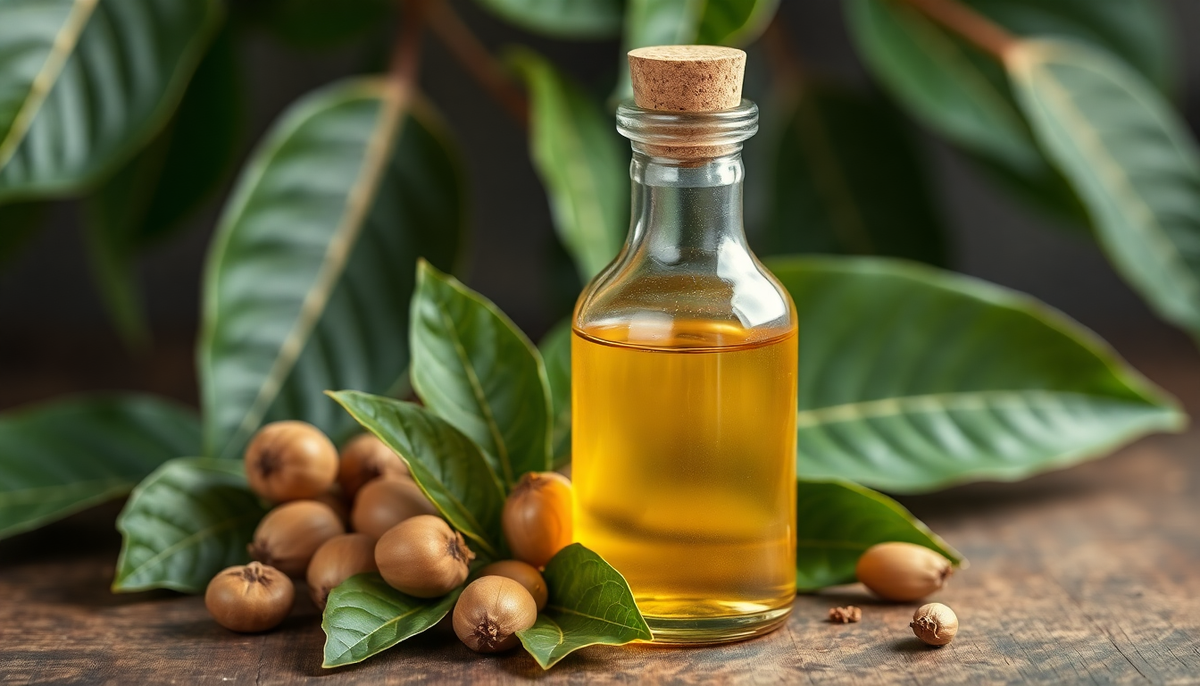
Batana oil is extracted from the nuts of the Elaeis oleifera, commonly known as the American oil palm. This tree thrives in the tropical regions of Central and South America, particularly in Honduras, where it has been used for centuries by the indigenous Garifuna people. The traditional methods of extracting Batana oil involve hand-processing, ensuring that the oil retains its natural properties and nutritional benefits.
Historically, Batana oil has been an integral part of the Garifuna culture, used not only for beauty purposes but also in cooking and traditional medicine. Its rich, nutty flavor and high nutritional value make it a versatile ingredient in various dishes. However, its primary claim to fame in recent years has been its application in cosmetics and personal care products.
Key Benefits of Batana Oil
With its rise in popularity, Batana oil is marketed for a plethora of benefits. Here are some of the most notable:
- Hair Health: One of the most significant claims surrounding Batana oil is its ability to nourish and revitalize hair. Users often report increased hair growth, reduced hair loss, and restored shine. The oil is rich in fatty acids, which help to strengthen hair follicles and improve overall hair texture.
- Moisturizing Properties: Batana oil is packed with essential fatty acids and vitamins, making it an excellent moisturizer for both skin and hair. Its emollient properties help to lock in moisture, keeping skin hydrated and preventing dryness.
- Anti-Aging Effects: Rich in antioxidants, Batana oil can combat oxidative stress, which contributes to signs of aging. Users claim that regular application can help reduce the appearance of fine lines, wrinkles, and age spots.
- Healing Properties: Batana oil has been noted for its potential to heal and soothe skin conditions such as eczema, psoriasis, and dermatitis. Its anti-inflammatory properties may help reduce redness and irritation.
- Natural Sunscreen: Some users suggest that Batana oil offers a degree of protection against UV rays, making it a potential natural alternative to commercial sunscreens.
The Nutritional Profile of Batana Oil
To better understand its benefits, let’s take a closer look at what Batana oil comprises:
- Fatty Acids: Batana oil is rich in monounsaturated and polyunsaturated fatty acids, particularly oleic acid, which is known for its moisturizing properties.
- Vitamins: It contains essential vitamins such as vitamin E, which is a powerful antioxidant, and vitamin A, which promotes healthy skin and hair.
- Antioxidants: The oil is loaded with antioxidants that help neutralize free radicals, thus protecting the skin from environmental damage.
Scientific Evidence Behind Batana Oil
While anecdotal evidence is plentiful, scientific research specifically focusing on Batana oil is still relatively sparse. However, we can draw insights from studies on similar oils and their components:
- Hair and Skin Health: Research indicates that oils rich in fatty acids and antioxidants can improve hair texture, reduce breakage, and enhance skin hydration.
- Anti-Inflammatory Properties: Several studies have demonstrated that oils with natural anti-inflammatory properties can aid in treating skin conditions like eczema and psoriasis.
- Antioxidant Benefits: The role of antioxidants in skin care is well-documented, with studies showing they can reduce signs of aging and protect against UV damage.
While these findings are promising, more targeted research on Batana oil itself is needed to validate these claims definitively.
Potential Drawbacks and Considerations
As with any beauty product, it is essential to approach Batana oil with a balanced perspective. Here are some potential drawbacks to consider:
- Allergic Reactions: Some individuals may experience allergic reactions to Batana oil, especially those with nut allergies. It is advisable to perform a patch test before full application.
- Greasy Texture: Due to its high-fat content, Batana oil can feel greasy on the skin and hair, which may not be suitable for everyone. Users with oily skin or hair may prefer lighter oils.
- Cost and Availability: High-quality Batana oil can be relatively expensive, and its availability might be limited outside of certain regions or specialty stores.
Marketing Hype vs. Reality
In the age of social media and influencer marketing, it is easy for products like Batana oil to gain traction quickly. However, it is crucial to differentiate between genuine benefits and marketing hype:
- Check for Authenticity: Ensure that the product you purchase is ethically sourced and labeled as 100% pure Batana oil. Look for certifications or third-party testing reports where available.
- User Reviews: Read user testimonials and reviews to gauge the effectiveness of Batana oil from real users. Look for patterns in feedback regarding its benefits and any adverse reactions.
- Avoid Over-Promising Claims: Be wary of products that claim to be a cure-all. While Batana oil has many benefits, it is not a substitute for a balanced diet or a proper skincare routine.
How to Use Batana Oil
If you decide to incorporate Batana oil into your beauty regime, here are some popular methods of application:
- Hair Treatment: Apply Batana oil directly to your scalp and hair, massaging it in for better absorption. Leave it on for at least 30 minutes or overnight before washing it out with shampoo.
- Skin Moisturizer: Use Batana oil as a moisturizer by applying a small amount to your face or body after cleansing. It can also be mixed with other oils or lotions to enhance its moisturizing properties.
- Massage Oil: Due to its nourishing properties, Batana oil can be used for massage, providing hydration while offering a relaxing experience.
Conclusion
In summary, Batana oil offers a range of potential benefits for hair and skin, rooted in a rich cultural history and supported by some scientific principles. While it holds promise, particularly for those seeking natural beauty solutions, it is essential to remain informed and cautious. As we progress through 2025, the hope is that further research will provide clearer insights into the efficacy of Batana oil, helping consumers make informed choices. Whether you choose to try Batana oil or not, understanding its origins, benefits, and limitations will empower you in your beauty journey.

Оставить комментарий
Этот веб-сайт защищается hCaptcha. Применяются Политика конфиденциальности и Условия использования hCaptcha.