
Introduction
In recent years, Batana oil has surged in popularity among hair care enthusiasts worldwide, especially in 2025, due to its proven ability to promote healthy hair growth, strengthen hair strands, add incredible shine, and nourish the scalp. Derived from the nuts of the American palm tree native to regions like Honduras, batana oil is celebrated for its natural, potent properties that support hair restoration and overall scalp health.
However, increased demand has also led to a proliferation of counterfeit or adulterated products in the marketplace. Fake batana oil not only fails to deliver the promised benefits but can also pose health risks. Thus, knowing how to distinguish authentic batana oil from subpar fakes is crucial for consumers aiming to maximize their hair’s potential and ensure safety. This comprehensive guide will equip you with detailed knowledge and expert tips to confidently identify genuine batana oil in 2025.
Understanding Batana Oil
Before diving into authenticity detection, it’s essential to understand what makes batana oil unique. The oil is extracted from the nuts of the American palm tree, scientifically known as Oenocarpus bataua. Traditionally used by indigenous communities in Honduras, this oil is rich in antioxidants, fatty acids, vitamins (notably vitamin E), and other nutrients that deeply nourish hair follicles and promote robust hair growth.
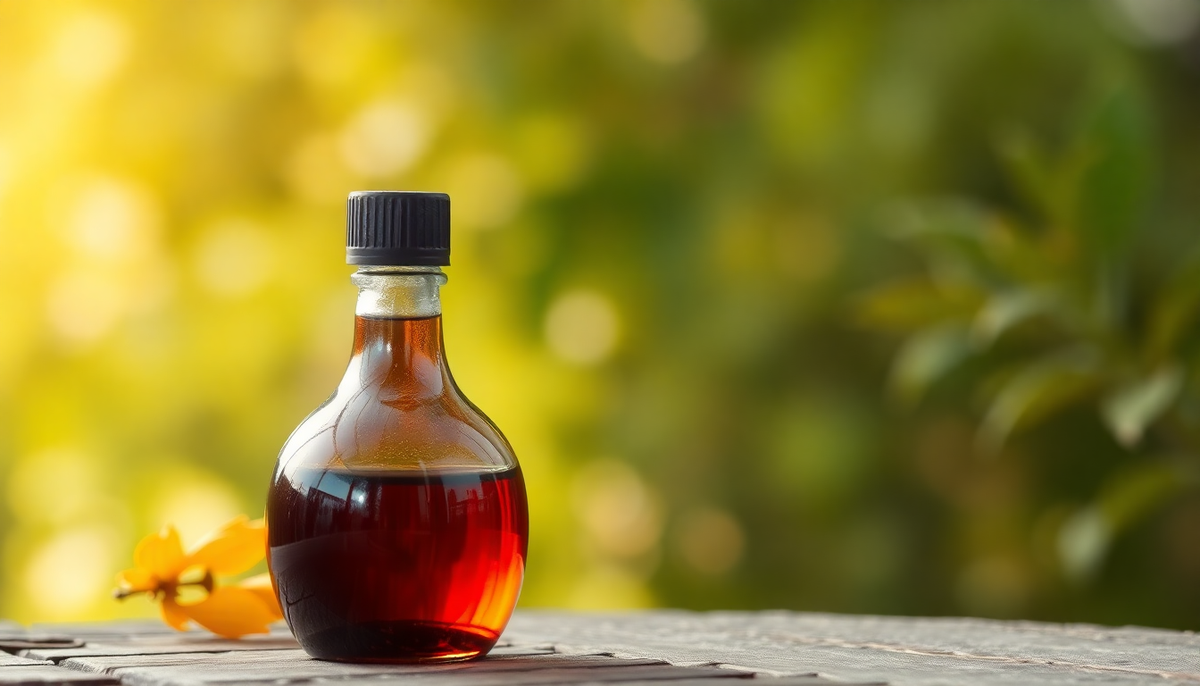
Authentic batana oil is typically handcrafted through cold-pressing processes, preserving its natural nutrients and avoiding chemical additives. It boasts a deep, rich coloration—ranging from dark amber to reddish-brown—and carries an earthy, nutty aroma. When used topically, it penetrates deeply into hair strands and scalp, revitalizing dull or damaged hair.
Key Characteristics of Authentic Batana Oil
Visual Appearance
- Color: Genuine batana oil should have a dark amber, reddish-brown, or honey-like hue. Variations in color are natural due to differences in extraction methods and batch variations, but it should never be overly pale or transparent.
- Consistency: It has a viscous but smooth texture, neither overly thick nor runny. When properly stored, it should feel somewhat oily but not greasy to the touch.
- Clarity: The oil might contain tiny natural particles or sediments, which is normal, especially if unfiltered, but it shouldn’t contain strange cloudiness or separation that suggests contamination.
Aroma
- Authentic batana oil features an earthy, nutty, slightly sweet aroma. This natural scent reflects the oil’s minimally processed state.
- If the smell is synthetic, overly perfumed, or chemical-like, it is a sign of adulteration or artificial additives.
Packaging
- Quality batana oil is often packaged in dark glass bottles to shield the oil from light, which helps preserve its nutrients.
- Labels should be clear, include detailed information such as origin, production process, batch number, and expiry date.
- Counterfeit products frequently come in plastic bottles or vague packaging with inconsistent branding, misspellings, or lack of information.
Common Signs of Fake Batana Oil
Spotting counterfeit products requires vigilance. Here are the most common signs indicating you might be purchasing fake or adulterated batana oil:
- Unnatural Color: Bright, overly light, or artificially colored oils are red flags. Chemicals or dyes are often used to mimic the appearance of real batana oil.
- Strong Chemical or Perfume Smell: Synthetic fragrances or chemical odors suggest artificial enhancement or contamination.
- Inexpensive Price: If the price is too good to be true, it probably is. Authentic batana oil is a premium product with a fair price point due to its quality and labor-intensive extraction process.
- Poor Packaging and Branding: Lack of detailed labeling, misspelling, or flimsy packaging often indicate counterfeit products.
- Inconsistent Labeling or Lack of Source Transparency: Reliable brands will detail the origin of the nuts, extraction process, and storage instructions. Vague or missing information is suspicious.
- Low Viscosity or Wateriness: Fake oils may be diluted with cheaper oils or contain fillers, affecting texture and efficacy.
How to Verify Authenticity Before Buying
Ensuring you buy genuine batana oil involves expert selection and research. Follow these essential tips:
- Research Trusted Brands: Purchase from brands with established reputations, positive reviews, and transparent sourcing practices.
- Check Certifications: Look for organic certifications, fair-trade labels, or seals from reputable authorities that verify the authenticity and quality of the product.
- Request Detailed Information: Contact the seller or manufacturer for information about the origin, harvesting, and extraction practices.
- Examine Packaging: Confirm the presence of proper labeling, batch codes, and storage instructions. Prefer dark glass bottles to ensure preservation.
- Test the Product: Conduct a small patch test on your skin or scalp. Genuine batana oil should have a natural scent, a deep color, and easily absorb without leaving a greasy residue.
- Read Customer Reviews: Genuine products often have detailed customer feedback. Beware of generic reviews or lack of verified purchase indicators.
Storage and Usage Tips for Longevity
Proper storage enhances the shelf life and preserves the quality of your batana oil:
- Store in a cool, dark place away from direct sunlight.
- Keep the bottle tightly sealed after each use.
- Avoid exposing the oil to excessive heat or humidity.
Conclusion
In 2025, genuine batana oil continues to be a top choice for those seeking natural, effective hair care solutions. However, the market is flooded with counterfeit products that undermine its efficacy and safety. By paying close attention to color, aroma, packaging, source transparency, and price, consumers can confidently distinguish authentic batana oil from fakes. Investing in certified, reputable products ensures you receive the maximum hair benefits—such as strengthened strands, increased shine, and healthier scalp—making your hair care routine truly rewarding. Remember, authenticity isn’t just about quality; it’s about safeguarding your health and achieving the best possible results from this remarkable natural remedy.


Оставить комментарий
Этот веб-сайт защищается hCaptcha. Применяются Политика конфиденциальности и Условия использования hCaptcha.