
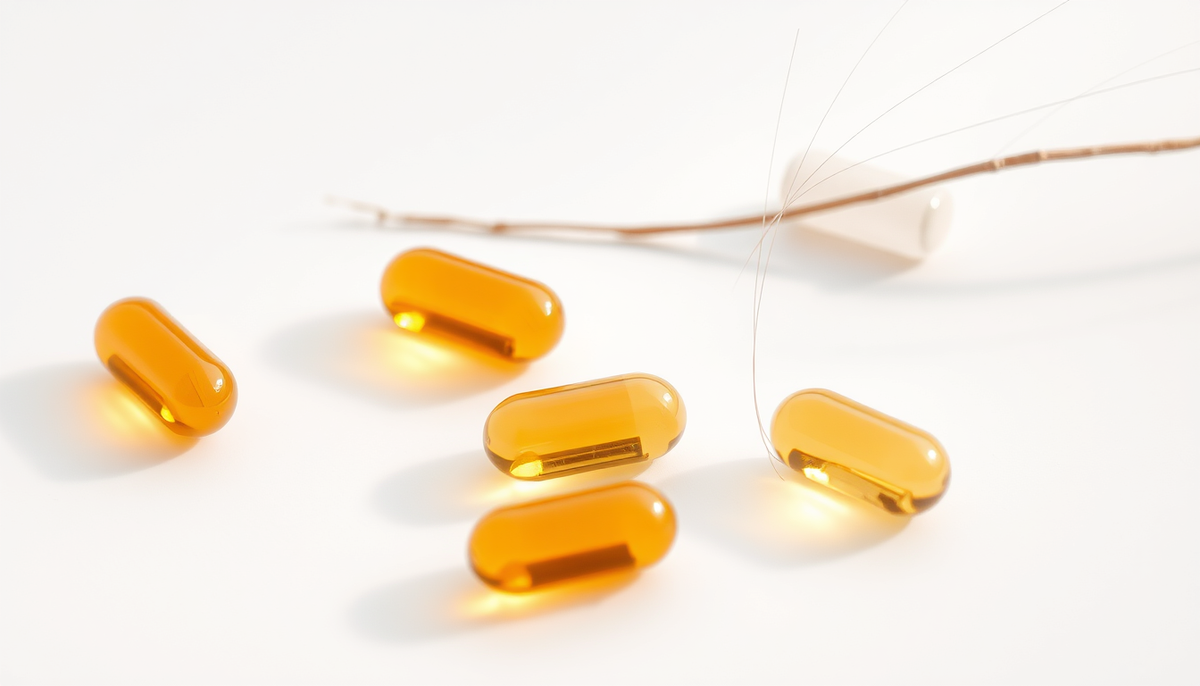
Introduction: Why Vitamin Capsules Matter for Hair Health in 2026
Hair health is a multifaceted topic that blends genetics, lifestyle, and nutrition. Vitamin capsules for hair health have gained popularity as a convenient way to fill nutritional gaps that can affect shine, growth, and scalp wellness. This comprehensive guide explores evidence-based vitamins, minerals, and smart usage strategies to help you optimize hair outcomes in 2026 and beyond.
What Are Vitamin Capsules for Hair Health?
Vitamin capsules are dietary supplements designed to deliver concentrated amounts of nutrients known to support hair biology. They typically feature vitamins such as A, C, D, E, B-complex (including biotin), minerals like zinc and iron, and specialty ingredients like omega-3 fatty acids, silica, and collagen peptides. While they aren’t a substitute for a balanced diet, they can complement it when deficiencies or increased needs exist.
Key Nutrients That Support Hair Shine, Growth, and Scalp Wellness
- Biotin (Vitamin B7): Supports keratin infrastructure and strengthens hair in individuals with a deficiency; evidence on universal efficacy remains mixed.
- Vitamin D: Plays a role in hair follicle cycling; deficiencies have been linked to hair shedding and dystrophic follicles.
- Zinc: Supports hair follicle function and immune health; a common deficiency can impede growth and alter sebum production.
- Iron: Critical for oxygen delivery to hair follicles; deficiency is a well-known cause of shedding, particularly in women of reproductive age.
- Vitamin C and Vitamin E: Antioxidants that protect follicles from oxidative stress and support collagen production and lipid membrane stability.
- Omega-3 Fatty Acids: Help reduce scalp inflammation and support shine and flexibility of the hair shaft.
- Collagen Peptides: May support hair structure and elasticity from within, potentially improving breakage resistance.
- Silica (Orthosilicic Acid): Often marketed to support connective tissue health, including hair, though clinical consensus varies.
- Other micronutrients: Selenium, manganese, copper, and B-vitamins play supportive roles in enzymatic processes related to hair biology.
How Vitamin Capsules Can Boost Shine, Growth, and Scalp Wellness
- Improved Follicle Function: Adequate nutrients support the anagen (growth) phase and mitigate premature shedding due to deficiencies.
- Enhanced Hair Structure: Proteins, minerals, and amino acids contribute to stronger shafts and reduced breakage.
- Scalp Environment: Anti-inflammatory, antioxidant, and moisturization effects promote a healthier scalp milieu.
- Consistency and Convenience: Streamlined regimens help sustain nutrient intake over time, which is crucial for slow hair cycles.
Biotin: Friend or Fad?
Biotin is a superstar in popular culture for hair health, yet high-quality evidence in individuals without a deficiency is limited. Excessive biotin can interfere with lab tests and may not yield additional benefits. If you consider biotin supplementation, discuss baseline levels with a clinician and monitor for signs of excess, such as skin rashes or acne in sensitive individuals.
Choosing the Right Vitamin Capsule: What to Look For
- Quality and Purity: Look for third-party testing, reputable brands, and transparent ingredient lists. Avoid proprietary blends that obscure doses.
- Formulations: Daily capsules that target hair health specifically, or broader multivitamins with hair-friendly micronutrients. Consider sustained-release options if stomach comfort is a concern.
- Dosage and Safety: Check that dosages align with daily recommended allowances (RDAs) and avoid excessive intake of fat-soluble vitamins (A, D, E, K).
- Allergen Information: Review for common allergens such as soy, gluten, dairy, or shellfish and choose hypoallergenic variants if needed.
- Certifications: Look for GMP-compliant manufacturing and third-party certifications (e.g., USP, IFOS for omega-3s).
Ingredient Spotlight: What Each Nutrient Brings to Your Hair
- Vitamin A: Supports sebaceous gland function; excessive intake can be harmful, so choose balanced doses.
- Vitamin C: Aids collagen synthesis, supporting follicle anchoring and shaft integrity.
- Vitamin D: Important for hair cycle regulation; deficiency is common in higher latitudes and during winter months.
- Vitamin E: Antioxidant that can support scalp lipid barriers but may interact with anticoagulants in high doses.
- Biotin: Benefits most evident in deficient individuals; consult a clinician before mega-dosing.
- Iron and Zinc: Critical for follicle health; iron should be checked via ferritin levels before supplementation in non-deficient individuals.
- Omega-3 and Omega-6 Balance: Supports anti-inflammatory environment; balance is key to avoid oily scalps in some people.
- Collagen: Provides amino acids for keratin and may improve elasticity.
- Silica: May contribute to connective tissue support, though evidence for dramatic hair growth is limited.
Frequency, Duration, and Realistic Expectations
Most people begin to notice changes after 2–3 months of consistent use, with peak results often seen after 4–6 months. Hair growth rates are slow (about 1 cm per month for most adults), so patience and adherence are essential. For some individuals, perceptible improvements in shine and scalp health may appear sooner, while others may require longer durations or target specific deficiencies. Pair supplementation with a balanced diet, reduced heat styling, and scalp-friendly routines for best results.
Evidence-Based Protocols: How to Build a 12-Week Plan
Establish baseline, begin a vitamin capsule regimen with a focus on iron status, vitamin D, and omega-3 intake. Introduce a scalp-friendly hair care routine (gentle cleansing, non-heated styling). - Weeks 5–8: Assess tolerability and initial changes in scalp comfort and hair texture. Consider adding collagen or silica if not contraindicated and if dietary intake is insufficient.
- Weeks 9–12: Reassess lab markers (if advised) and adjust dosages under professional guidance. Consolidate lifestyle habits for long-term maintenance.
Frequency and Timing: When to Take Your Capsules
Take capsules with meals to enhance absorption of fat-soluble vitamins. If you experience digestive upset, try splitting the dose, switching to a lower-strength formula, or taking them with a smaller meal. Hydration and consistent mealtimes can also support tolerance.
Safety, Side Effects, and Interactions
- General Safety: Most people tolerate vitamin capsules well when taken as directed. Do not exceed the recommended daily allowance unless advised by a clinician.
- Potential Side Effects: Digestive upset, headaches, skin rashes in some individuals, or altered taste perception with certain minerals.
- Drug Interactions: Some vitamins and minerals can interact with medications (e.g., iron with antibiotics, calcium with thyroid medications). Always consult a healthcare provider if you have chronic conditions, are pregnant, nursing, or taking prescription drugs.
Special Populations and Considerations
- Pregnancy and Lactation: Some nutrients are essential in higher amounts but can be risky in excess. Use clinician-guided formulations.
- Vegetarians and Vegans: Pay attention to iron from non-heme sources and B12 status; consider algae-based omega-3s as a plant-based option.
- Older Adults: Absorption efficiency declines with age; discuss whether supplementation is needed for vitamin D, B12, and zinc.
Lifestyle Synergy: Diet and Habits that Enhance Hair Health
- Balanced Nutrition: A diet rich in lean proteins, colorful vegetables, whole grains, and healthy fats supports hair integrity.
- Hydration: Adequate water intake supports scalp hydration and follicle function.
- Stress Management: Chronic stress can disrupt hair cycles; regular exercise, mindfulness, and adequate sleep help.
- Gentle Hair Care: Avoid harsh chemicals, excessive heat, and tight hairstyles. Routine scalp massages may promote circulation.
- Environmental Considerations: Protect hair from UV damage and pollution by using protective styling and antioxidant-rich products.
Myth-Busting: Common Misconceptions About Hair Health Supplements
- Myth: More vitamins always mean better hair. Reality: Excess can cause adverse effects and labs misreadings; balance is key.
- Myth: If a vitamin is good, all hair problems are solved. Reality: Hair health is multifactorial; deficiencies must be addressed first.
- Myth: All brands are equal. Reality: Quality, purity, and transparent labeling matter more than price alone.
Frequently Asked Questions (SEO-Friendly)
- Do vitamin capsules really promote hair growth?
- They can support growth primarily by correcting nutritional deficiencies and providing nutrients involved in keratin synthesis and follicle health. Individual results vary and depend on adherence and baseline status.
- Which vitamins are most important for hair health?
- Biotin, vitamin D, zinc, iron (if deficient), omega-3s, vitamin C, vitamin E, and collagen are commonly cited as beneficial for hair health, but the best approach is a personalized assessment.
- How long should I take hair health vitamins?
- Most people evaluate after 3–6 months; however, some individuals may require longer for sustainable benefits. Always consult a clinician for persistent concerns.
- Are there risks to long-term supplementation?
- Yes—excess intake of certain vitamins and minerals can cause toxicity or interactions with medications. Regular medical check-ins are advised for long-term regimens.
Bottom Line: Is a Vitamin Capsule Regimen Right for You?
Vitamin capsules for hair health can be a valuable component of a comprehensive hair wellness plan, especially if you have identified nutritional gaps or increased needs. They work best when combined with a nutrient-dense diet, mindful styling, scalp-friendly practices, and professional guidance when needed. By 2026, a thoughtfully chosen regimen paired with healthy lifestyle habits can help you achieve shinier, stronger hair with healthier roots.
Choosing and Using Vitamin Capsules Mindfully: A Practical Checklist
- Clarify your goal: Shine, growth, scalp health, or all three?
- Check for deficiencies: Consider a clinician-ordered blood panel to identify gaps before supplementing.
- Evaluate formulation: Daily versus targeted, full-spectrum vitamins, and certs for purity.
- Start slow: Begin with a lower dose if you have a sensitive stomach or are new to supplements.
- Monitor and adapt: Track hair shedding, scalp condition, and overall wellbeing; adjust under professional guidance.
About This Guide
This 2026 guide compiles current evidence and practical tips for choosing and using vitamin capsules to support hair shine, growth, and scalp wellness. It emphasizes a personalized approach: tailor recommendations to your health profile, lifestyle, and goals, and consult a clinician for persistent or severe hair concerns. The landscape of hair nutrition continues to evolve, with ongoing research into optimal dosages, bioavailability, and the long-term effects of common ingredients.


Leave a comment
Este site está protegido pela Política de privacidade da hCaptcha e da hCaptcha e aplicam-se os Termos de serviço das mesmas.