

Introduction
Moroccan argan oil has earned a premier spot in modern hair care and skincare routines. Rich in fatty acids, antioxidants, and vitamin E, this precious oil is sourced from the kernels of the argan tree native to Morocco. This ultimate guide explores its benefits, practical uses, and how to incorporate argan oil into a hair care routine that stands the test of 2026. Whether you are dealing with dry ends, frizz, or scalp discomfort, argan oil offers a versatile, natural solution backed by centuries of traditional use and modern science.
What is Moroccan Argon Oil? A Quick Overview
Argan oil is a light, non-greasy oil pressed from the kernels of the Argania spinosa tree. It is traditionally used by Moroccan communities and has gained global recognition for its moisturizing, nourishing, and protective properties. Look for cold-pressed, hexane-free varieties to ensure purity and potency, and beware of adulterated blends that dilute the nutrient content.
Why Argon Oil for Hair? The Science in Plain English
Argan oil contains a balanced profile of oleic and linoleic fatty acids, along with sterols, antioxidants (including tocopherols), and plant-based polyphenols. This combination helps to seal the cuticle, reduce porosity, protect against environmental stressors, and deliver lasting moisture without heavy buildup. In studies and consumer use, these properties translate into smoother texture, enhanced shine, and improved manageability.
Key Benefits for Hair Care
- Deep Hydration: Restores moisture to dry, frizzy strands without weighing hair down.
- Shine and Softness: Leaves hair with a natural, healthy glow and silkier texture.
- Strength and Reduced Breakage: Supports cuticle integrity and minimizes breakage from heat styling.
- Scalp Health: Soothes itchiness and dryness while promoting a balanced scalp.
- UV and Environmental Protection: Provides a light barrier against environmental stressors and free radicals.
- Color Retention: Helps maintain vibrancy in colored or chemically treated hair by reducing moisture loss.
- Frizz Control: Builds a lightweight barrier on strands to tame frizz in humidity.
Other Benefits Beyond Hair
- Skin Care: Lightweight moisturizer for facial skin, elbows, and knees; can help with dry patches and rough patches.
- Nail and Cuticle Care: Nourishes cuticles and strengthens nails.
- Anti-Aging Properties: Rich in antioxidants that combat free radical damage and help support skin elasticity.
- Scars and Skin Texture: May aid in softening scar tissue and improving texture with regular use.
How to Use Argon Oil for Hair: Methods for Every Routine
Incorporating argan oil into your routine can be simple and effective. Here are practical methods for different hair types and needs.
- Pre-Wash Treatment: Apply a few drops to lengths and ends before washing to reduce porosity and improve manageability. Leave for 10–20 minutes, then rinse and wash as usual.
- Post-Wash Leave-In: Use a small amount on damp hair to seal moisture and add shine. Focus on mid-lengths to ends.
- Oil Boost for Fine Hair: One small drop on the ends after styling helps prevent frizz without weighing hair down.
- Scalp Care: Massage a drop or two onto the scalp to soothe dryness; rinse or leave-in depending on your sensitivity and preference.
- Overnight Intensive: Apply a generous pea-sized amount to ends before bed and rinse in the morning for a deep conditioning moment.
- Mix-Ins for Masks: Add a few drops to your regular mask for enhanced penetration and shine.
Best Practices for 2026: Dos and Don'ts
- Do: Choose cold-pressed, hexane-free argan oil for purity and maximum nutrient retention.
- Do: Start with a small amount to gauge your hair’s response, especially if you have fine hair.
- Don’t: Over-apply on oily scalps, which can weigh hair down and cause buildup.
- Do: Combine with other hair care ingredients like essential fatty acids or silicones only if your regimen tolerates them well.
- Don’t: Use if you have a known allergy to nuts or tree nuts; test a small skin patch first.
Argan Oil in Your Hair Care Routine: Sample Routines
- Daily Lightweight Routine: Mild shampoo, conditioner, a drop of argan oil on damp ends, and heat protection spray before styling.
- Weekly Nourishing Treatment: Deep conditioning mask followed by a few drops of argan oil mixed into the mask for enhanced penetration.
- Color-Treated Hair Routine: Use argan oil to protect color and maintain moisture without dulling shine.
- Curly Hair Routine: Apply to damp curls in sections to reduce frizz and define curl formation without weighing down.
Choosing the Right Argan Oil
To maximize results, consider the following when shopping for argan oil:
- Purity: 100% argan oil with no additives or diluents.
- Extraction Method: Cold-pressed for the highest nutrient retention.
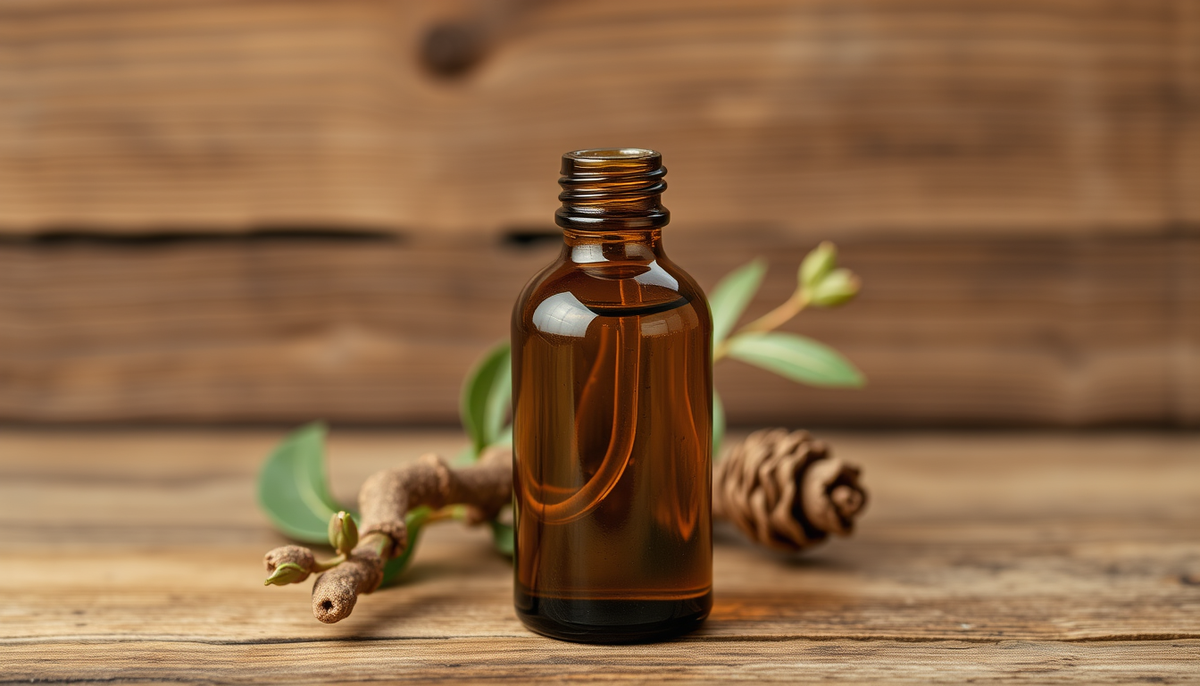
- Package: Dark glass bottle with a dropper to protect from light and preserve potency.
- Certification: Look for organic or fair-trade certifications if you prefer ethically sourced products.
- Origin: Moroccan argan oil from reputable cooperatives often ensures fresh oil and traceability.
Safety, Side Effects, and Storage
Argan oil is generally safe for most people, but a patch test is advisable for those with sensitive skin. If you notice irritation or an allergic reaction, discontinue use and consult a dermatologist. Store in a cool, dark place to maintain freshness. Avoid leaving the bottle in direct sunlight for extended periods, which can degrade quality.
Ethics and Sustainability: Sourcing Argon Oil Responsibly
Responsible sourcing matters. Look for oils certified by recognized bodies, and seek brands that support argan cooperatives, fair wages for harvesters, and sustainable farming practices. Transparent supply chains help ensure environmental stewardship and positive community impact in Morocco.
Argan Oil vs Other Oils: How It Compares
Compared with coconut, olive, or jojoba oils, argan oil offers a lighter feel with excellent shine and conditioning without heavy residue. It’s particularly suited for medium to fine hair types and for those who want a non-greasy finish. For very dry or curly hair, layering argan with heavier oils or using it as a finishing touch can be ideal.
Seasonal and Climate Considerations
Dry, cold climates may increase moisture loss, making argan oil a year-round ally. In humid conditions, a small amount helps counteract frizz, while in dry climates, it acts as a powerful moisture barrier. Adjust the amount based on environmental humidity and heat exposure from styling tools.
DIY Recipes and Mix-Ins
- Argan Hair Serum: Mix 2–3 drops of argan oil with a few drops of a lightweight essential oil (like rosemary or lavender) for scent and scalp benefits. Apply to ends only.
- Argan Mask for Dry Ends: Combine argan oil with a spoonful of honey and a teaspoon of yogurt. Apply to mid-lengths to ends, leave for 15–20 minutes, rinse well.
- Color-Safe Boost: Add a drop of argan oil to your color-safe conditioner to reinforce moisture without affecting color.
Frequently Asked Questions
- Can argan oil promote hair growth?
- Argan oil helps create a healthier scalp environment and reduces breakage, which can support the appearance of stronger hair, but it is not a direct hair growth stimulant.
- Is argan oil suitable for all hair types?
- Yes, from straight to coily hair. Start with small amounts and adjust based on your hair’s needs.
- How often should I use argan oil?
- For most people, 2–3 times per week as a treatment or daily as a leave-in can be effective depending on hair type and climate.
- Can I use argan oil on my skin and scalp at the same time?
- Yes, but apply to the scalp first and avoid overloading if you have very fine hair near the scalp to prevent a weighed-down look.
- Is there a risk of hormone disruption or hormone-like activity?
- No credible evidence supports hormonal disruption from argan oil; it is a topical product with a short chain of effects primarily on moisture and barrier function.
Common Myths Debunked
- Myth: Argan oil is greasy and unusable on fine hair. Reality: With proper application, it can add moisture without heaviness.
- Myth: Argan oil is only for dry hair. Reality: It benefits all hair types, from straight to curly, when used in the right amount.
- Myth: All argan oils are the same. Reality: Purity, extraction method, and origin matter greatly for performance and safety.
Conclusion
Argan oil remains a standout hero in 2026 for its versatility, light texture, and nourishing properties. When chosen thoughtfully and used correctly, it can transform dry, frizzy hair into smooth, shiny, and resilient strands while supporting scalp health and overall skin well-being. By prioritizing ethical sourcing, proper storage, and personalized application, you can harness argan oil’s full potential as a staple in your hair care and skincare toolkit for years to come.

Leave a comment
Este site está protegido pela Política de privacidade da hCaptcha e da hCaptcha e aplicam-se os Termos de serviço das mesmas.