
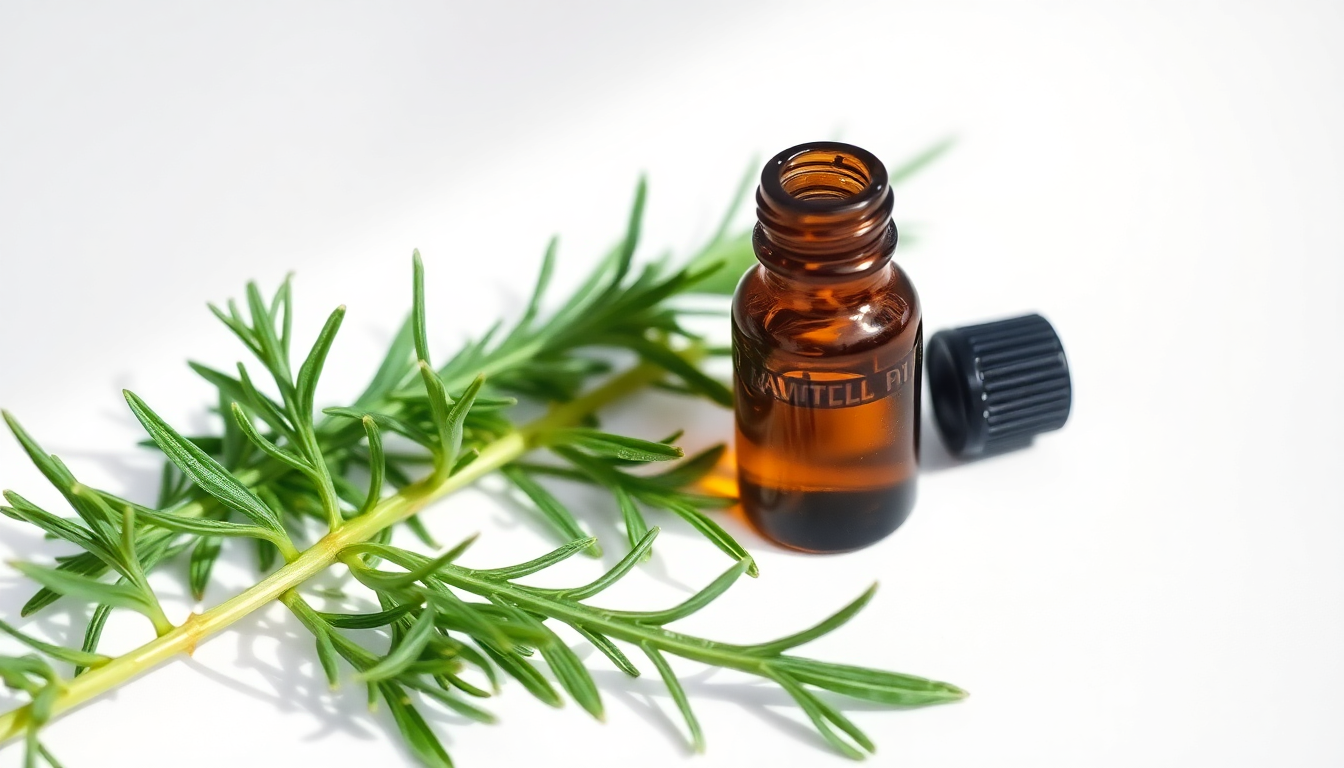
Introduction — why a minimalist evening scalp reset matters
If you use styling wax, pomade, or heavy grooming products and also follow a Chebe routine to retain length, product buildup can block the benefits of your treatments and increase friction-related breakage. This in-depth guide expands a simple, science-informed 4-step protocol using batana oil activated with rosemary essential oil plus vitamin E to dissolve wax residue, reduce shedding, and improve the uptake and results of Chebe treatments.
What this article covers
- How and why batana, rosemary, and vitamin E work together
- A detailed 4-step evening routine with timings, dosages, and alternatives
- How to integrate the reset with Chebe sessions, styling, and hair growth products
- Safety, patch testing, tools, variations for hair types, and troubleshooting
- Practical sourcing and product suggestions — including where to buy ready-to-use blends
Mechanisms: why batana + rosemary + vitamin E is effective
- Lipid affinity and wax dissolution: Many hairstyling waxes and heavy stylers are hydrophobic. Oils rich in long-chain fatty acids (like batana oil) have chemical affinity for these waxes and can dissolve or emulsify them when massaged into the hair and scalp, making residues easier to remove.
- Scalp circulation and follicle support: Rosemary essential oil has been used traditionally to stimulate scalp circulation and provide a refreshing sensation. Topical rosemary can help increase local blood flow and support scalp health, which may indirectly reduce shedding when combined with low-manipulation routines.
- Antioxidant and barrier support: Vitamin E (tocopherol) is an antioxidant and mild occlusive that protects skin lipids from oxidative stress and helps seal moisture after cleansing or oil treatment.
- Minimalism and low manipulation: Performing a targeted evening routine reduces mechanical friction and over-washing while removing obstructive buildup that prevents Chebe and other actives from working optimally.
Ingredient deep-dive
- Batana oil: A traditional Central American oil extracted from the nuts of the American oil palm, valued in hair cultures for its fatty acid profile and ability to condition and soften hair. It’s often recommended to dissolve styling residues without stripping natural oils.
- Rosemary essential oil: A concentrated plant extract used in scalp blends. When diluted properly, rosemary provides an invigorating aroma and may support scalp circulation. Use high-quality, 100% pure rosemary oil and follow dilution guidelines.
- Vitamin E oil (tocopherol): A fat-soluble antioxidant commonly used in topical formulations to stabilize oils and support the skin barrier. It also adds a light, protective film to hair shafts when used sparingly.
What you’ll need — tools and products
- Cold-pressed batana oil or a high-quality palm/kernel oil substitute if unavailable
- Rosemary essential oil or a rosemary hair oil blend
- Vitamin E oil (pharmacy-grade capsules or a liquid tocopherol)
- Small amber or cobalt glass bottle (10–30 ml) for mixing
- Dropper, cotton swabs, fine-tooth comb, scalp brush (optional)
- Warm towel or microwavable heat pack; satin scarf or pillowcase
4-Step Evening Scalp Reset — full protocol (15–30 minutes)
Designed to be minimalist but thorough. Do this 1–3 times per week depending on wax usage. If you use heavy wax daily, start twice weekly, then adjust.
-
Step 1 — Mix & pre-warm (2–4 minutes):
- Recipe (single application): 10–15 ml batana oil + 4–6 drops rosemary essential oil + 1 ml vitamin E oil (about one capsule). For shorter hair, reduce to 5–8 ml base oil.
- Combine in an amber bottle and warm slightly by placing the bottle in warm water for 30–60 seconds or by rubbing between your palms. Avoid direct heat or microwaving essential oils.
-
Step 2 — Apply strategically & massage (3–6 minutes):
- Part hair in sections and apply a few drops to each section directly on the scalp with fingertips or a dropper. Avoid excessive pooling on hair ends unless you intend an all-over oil treatment.
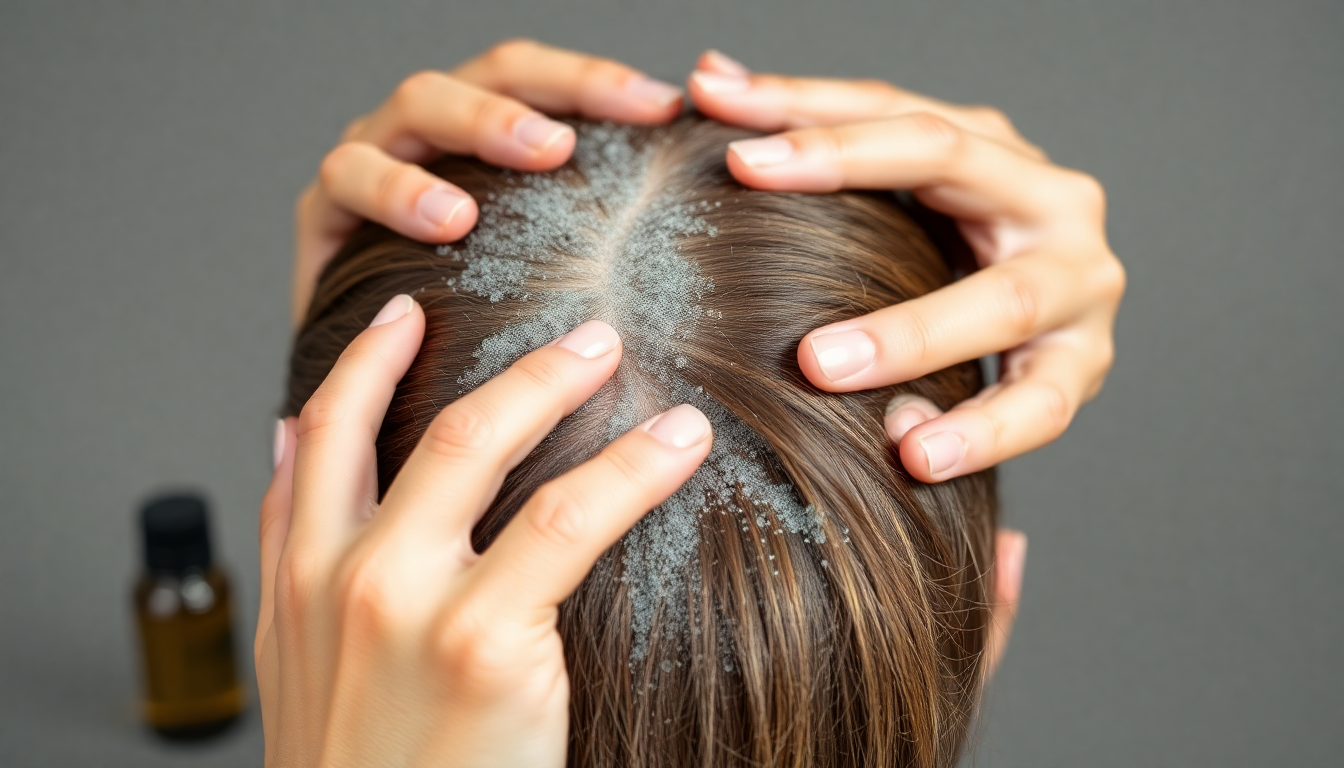
- Use the pads of your fingers to make small circular motions for 2–3 minutes. The goal is to dissolve wax residue and stimulate circulation without vigorous friction or rough scratching.
-
Step 3 — Warm compress to activate (5–10 minutes):
- Place a warm (not hot) towel, heat pack, or shower cap over the treated area for 5–10 minutes. Heat increases oil penetration and helps melt waxy deposits.
- If you prefer an overnight treatment, wear a satin cap and sleep on a satin pillowcase to avoid transferring oils to bedding.
-
Step 4 — Remove or leave-in (3–8 minutes depending on choice):
- Rinse option: Emulsify with a gentle sulfate-free cleanser to lift dissolved residue. Rinse and towel-dry, then apply your Chebe paste or powder to damp hair as usual.
- Leave-in option: For a low-wash approach, blot excess oil with a microfiber towel and leave a light film overnight. Vitamin E provides a protective coating and antioxidant support. Avoid heavy accumulation by using minimal amounts.
Detailed timing and weekly schedules
- Heavy wax users (daily strong hold): 2 sessions per week — one rinse session and one leave-in session. Example: rinse on Sunday evening, leave-in on Wednesday night.
- Moderate wax users (occasional heavy product): 1 session per week (alternate rinse/leave-in every other week).
- Low wax users / Chebe-focused: Every 7–14 days as a targeted pre-Chebe preparatory step.
Integrating with Chebe treatments
- Perform the scalp reset before applying Chebe paste for maximum absorption. Ideally, use the rinse option 30–60 minutes before Chebe application so hair is clean but not stripped.
- If you’re using leave-in oil the night before a Chebe session, gently blot excess again before applying Chebe to prevent paste slippage and ensure adhesion.
- Avoid layering strong actives at the same time: if you’re using topical minoxidil or prescription scalp treatments, consult a clinician about scheduling the oil reset to avoid interaction.
Variations for different hair lengths and types
- Very short hair / buzz cuts: Use less base oil (5–8 ml) and focus strictly on the scalp. The rinse option is quick and effective.
- Medium length & coily hair: Section hair to ensure even application. Use a satin cap overnight if you choose the leave-in option; blot excess to avoid heavy buildup.
- Fine or oily hair: Reduce vitamin E dosage (half a capsule) and prefer the rinse option. Avoid leaving heavy oil films on roots between washes.
- Thick, dry, or chemically treated hair: You can apply a small amount to mid-lengths and ends to condition while focusing on the scalp to clear wax residue.
Tools, technique pointers and massage methods
- Use a finetooth comb to gently lift softened residue after massage — don’t force tangles.
- A gentle silicone scalp brush or soft bristle brush can help distribute oil and lift debris without damaging the scalp.
- Scalp massage technique: 10–15 light circular motions per area, working from front hairline to crown and back to the nape. Keep pressure moderate and avoid fingernails.
- If you prefer no-hands application, use a dropper applicator for precise placement along part lines.
DIY blends and ready-made alternatives
- DIY basic blend (single use): 15 ml batana oil + 6 drops rosemary EO + 1 ml vitamin E. Store the remainder in an amber bottle and use within 8–12 weeks if kept cool and out of light.
- Scalp-soothing variant: Add 3 drops lavender EO (for calming scent) and reduce rosemary to 3 drops.
- If you prefer ready-made blends, look for curated formulations that combine high-quality batana oil and rosemary with appropriate preservatives — these save time and minimize dosing errors.
Troubleshooting & common concerns
- Excess greasiness after treatment: Use less oil next time or choose the rinse option. Focus application on the scalp, not hair shafts, unless you want conditioning on lengths.
- Itch or irritation: Discontinue and patch test ingredients individually. Reduce rosemary EO concentration; some scalps are sensitive to essential oils.
- No visible residue removed: You may need a gentle sulphate-free shampoo to fully lift stubborn, polymer-based products. Follow with a conditioning Chebe-friendly step.
- Increased shedding after use: This can occasionally occur if loosened degraded hairs come out more easily — it is often temporary and followed by healthier regrowth if breakage is reduced.
Safety, patch testing, and dermatologist advice
- Patch test: Apply a diluted sample (carrier oil + 2 drops rosemary EO per teaspoon) to inner forearm for 24 hours. If redness, itching, or discomfort occurs, avoid use.
- If you have psoriasis, severe dermatitis, active infection, or unexplained rapid hair loss, consult a dermatologist before trying this protocol.
- Essential oil safety: Do not exceed recommended dilutions. For a scalp application, 0.5–1.5% total essential oil concentration is generally safe for adults (approximately 3–9 drops per 30 ml carrier oil). Adjust downward for sensitivity.
How to measure progress — metrics that matter
- Weekly photos in consistent lighting and angles (top, front, and sides) to evaluate density and length changes over time.
- Shedding logs: Note visible shed hairs after combing or washing (simple count per session). A decline over weeks suggests reduced breakage.
- Chebe absorption: Monitor how well Chebe paste adheres and how long you can maintain low-manipulation styles without buildup.
Case examples & timeline expectations
- Short-term (first 1–2 treatments): cleaner scalp, reduced visible wax residue, immediate improvement in Chebe adhesion.
- Medium-term (4–8 weeks): fewer breakage-related shed hairs, smoother hair shafts, enhanced length retention when combined with Chebe.
- Long-term (3+ months): cumulative benefits from consistent low-manipulation care, better scalp balance, and potential improvements in perceived thickness due to reduced breakage.
Choosing commercial products and where to buy
While DIY mixes work well, many prefer ready-made, lab-tested formulations to guarantee dilution, stability, and product safety. When choosing a commercial product, look for:
- Clear ingredient lists with high-quality carrier oils (batana when available)
- Appropriate essential oil dilutions and lab testing
- Reputable sourcing and transparent manufacturing practices
If you want curated, protocol-ready options, explore high-quality batana oil, rosemary blends, and complementary hair growth products at Sevich Collections. Their pre-formulated oils are convenient for men who prefer a ready-to-use approach aligned with this scalp reset.
Storage, shelf life and packaging tips
- Store blends in dark glass bottles (amber or cobalt) away from direct light and heat. Keep at room temperature or slightly cooler.
- Unopened pure batana oil can last several months to a year depending on processing; mixed blends with vitamin E and rosemary should be used within 8–16 weeks for freshness.
- Smaller bottles reduce repeated oxygen exposure and help maintain potency of essential oils.
Extended FAQ
- Can this protocol help male pattern hair loss (androgenetic alopecia)? This protocol focuses on removing wax residue and reducing breakage, which can make hair look fuller and retain length. Androgenetic alopecia is hormonal and genetic — topical oils and scalp care can support scalp health, but they are not a replacement for clinically proven medical treatments.
- Is batana safe for color-treated hair? Generally yes; batana is conditioning. If you recently colored your hair, patch test small sections and avoid hot water when rinsing to protect dye.
- Can I use this with minoxidil or other topicals? Consult with your clinician. If you apply medicated topicals, schedule the oil reset on alternate nights or allow full absorption time before layering other actives.
SEO and content strategy tips for this topic
- Include long-tail keywords naturally: minimal evening scalp reset for men, batana oil for wax residue, rosemary hair oil for shedding, Chebe absorption routine.
- Use step-by-step headers and FAQs to capture featured snippets. Add alt-texted images and a short how-to video for higher dwell-time.
- Internal pages: link to product pages (example: batana oil, rosemary blends, and hair wax for men) using descriptive anchor text for SEO relevance.
Practical day-by-day examples
-
Example week for a heavy-wax dresser:
- Sunday evening — full rinse protocol before Chebe application.
- Monday to Thursday — low-manipulation styles, minimal restyling, avoid new heavy products.
- Wednesday night — leave-in quick reset with satin cap for overnight conditioning.
- Friday — normal styling with light product, monitor for build-up.
-
Example week for a Chebe-first regimen:
- Saturday — scalp reset rinse to maximize Chebe adhesion.
- Apply Chebe paste/powder after towel-drying; follow low-manipulation protocol for the week.
- Next weekend — assess and repeat as needed.
Final recommendations & sustainable choices
- Choose sustainably sourced oils and ethical suppliers when possible. Verify sourcing claims and prefer smaller-batch producers for quality assurance.
- Practice minimalism: use only as much product as needed. Over-application creates buildup and defeats the purpose of a reset.
- Keep a simple log to evaluate what frequency and method (rinse vs leave-in) suits your hair and lifestyle.
Conclusion — take the next step
Consistent, targeted care that eliminates wax residue and protects the scalp is essential for maximizing Chebe results and reducing shedding. This expanded 4-step rosemary‑activated batana oil + vitamin E protocol gives you a practical, minimalist evening reset that works with different hair types and grooming habits.
If you prefer convenience and lab-tested formulations, explore curated batana oil, premium rosemary hair oil, and complementary hair growth products at Sevich Collections. Their ready-to-use blends are formulated to support protocols like this one — click through to browse and purchase products that align with your minimalist scalp reset routine.
Note: This article provides general information and is not medical advice. For persistent hair loss or scalp conditions, consult a healthcare professional before beginning any new topical regimen.


Leave a comment
Este site está protegido pela Política de privacidade da hCaptcha e da hCaptcha e aplicam-se os Termos de serviço das mesmas.