
Introduction
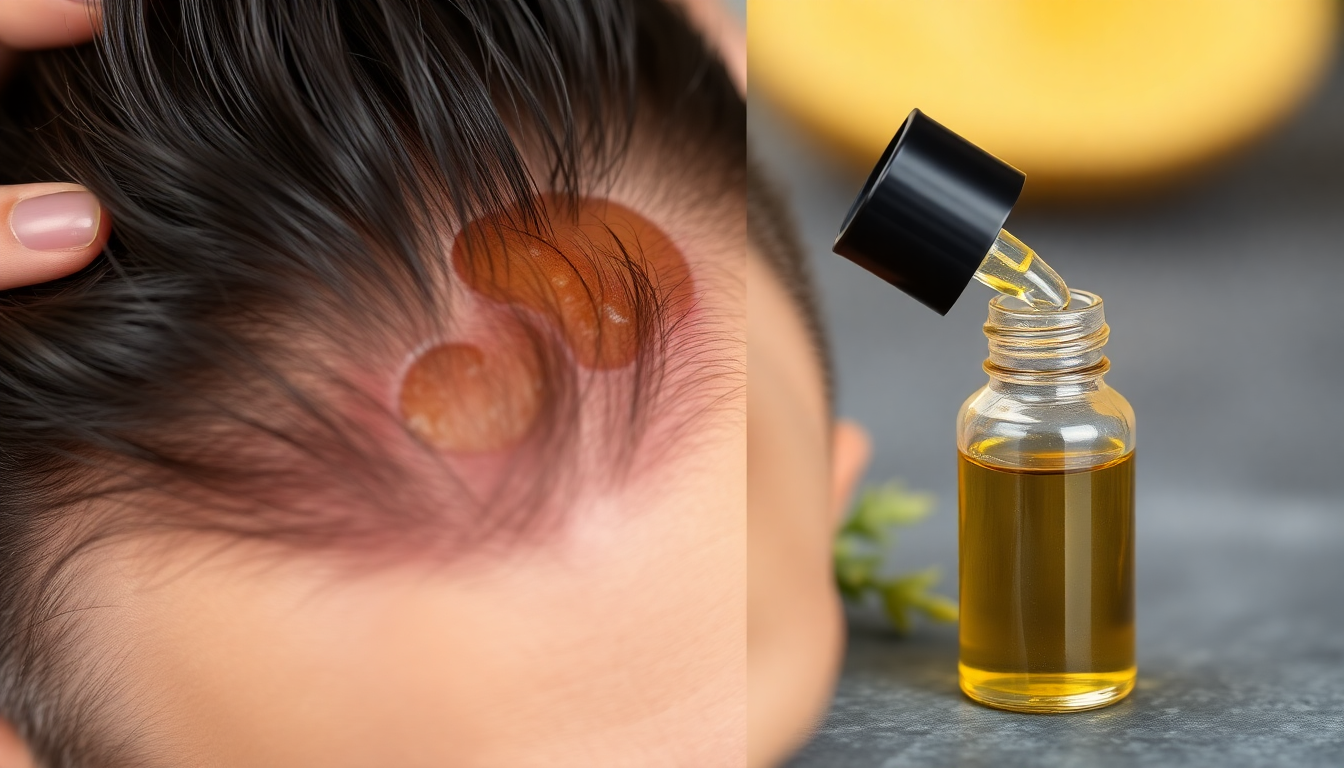
If you follow Chebe protocols, use heavy styling waxes, or regularly apply pomades and thick oils, waxy residue on the scalp and hair shaft can slow progress and contribute to breakage. The solution isn’t aggressive stripping — it’s a targeted, nourishing emulsion that binds and lifts wax while replenishing the scalp barrier. This comprehensive guide presents a Rosemary-Activated Batana Scalp Emulsion: a lightweight, Vitamin E–fortified formula that emulsifies wax buildup, supports scalp health, reduces mechanical shedding, and helps Chebe pastes perform better.
What you’ll learn in this article
- Why batana oil, rosemary, and Vitamin E are effective together
- How emulsifiers work and why they matter for wax removal
- Exact recipes for small, medium, and large batches with ingredient ratios
- Step-by-step manufacturing and at-home mixing techniques
- Application protocols tailored for Chebe users and for men using hair wax
- Variations for oily, dry, or sensitive scalps
- Storage, safety, troubleshooting, and product recommendations
Why this formulation works: ingredient science
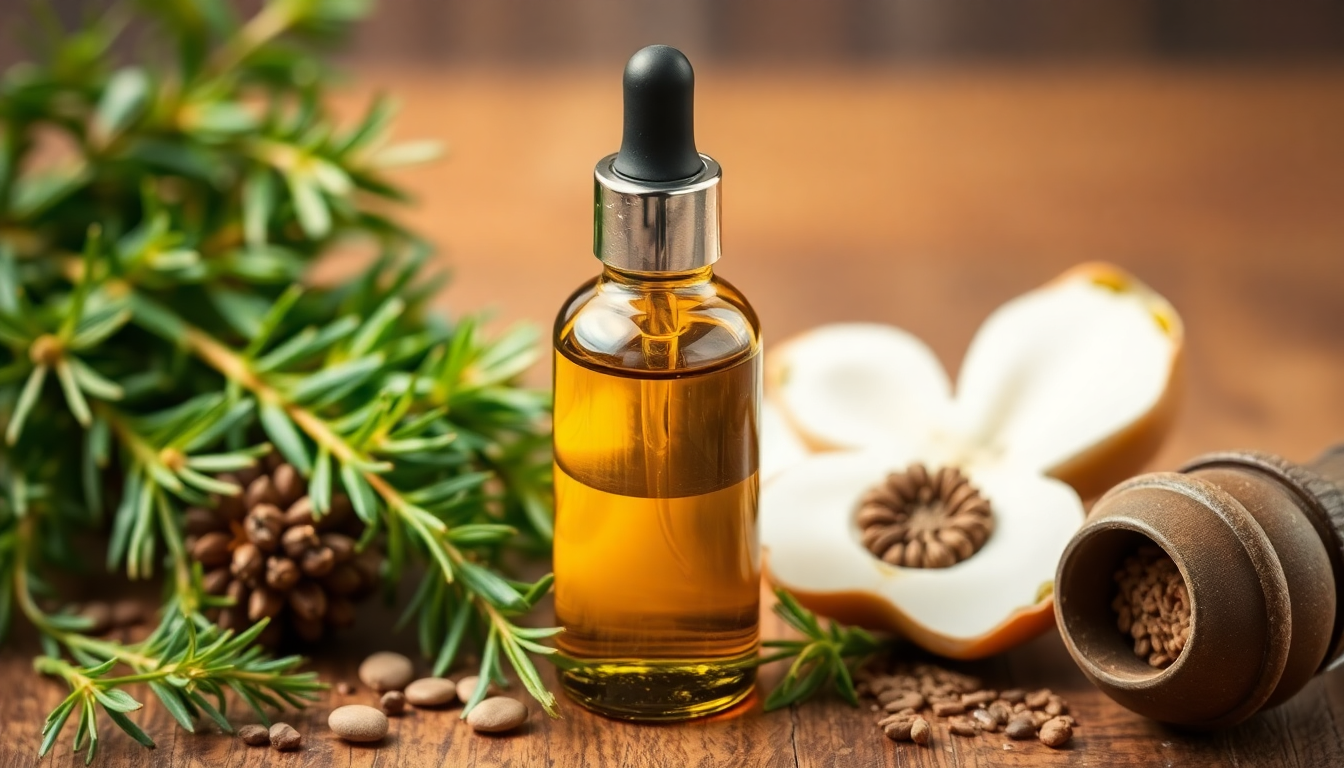
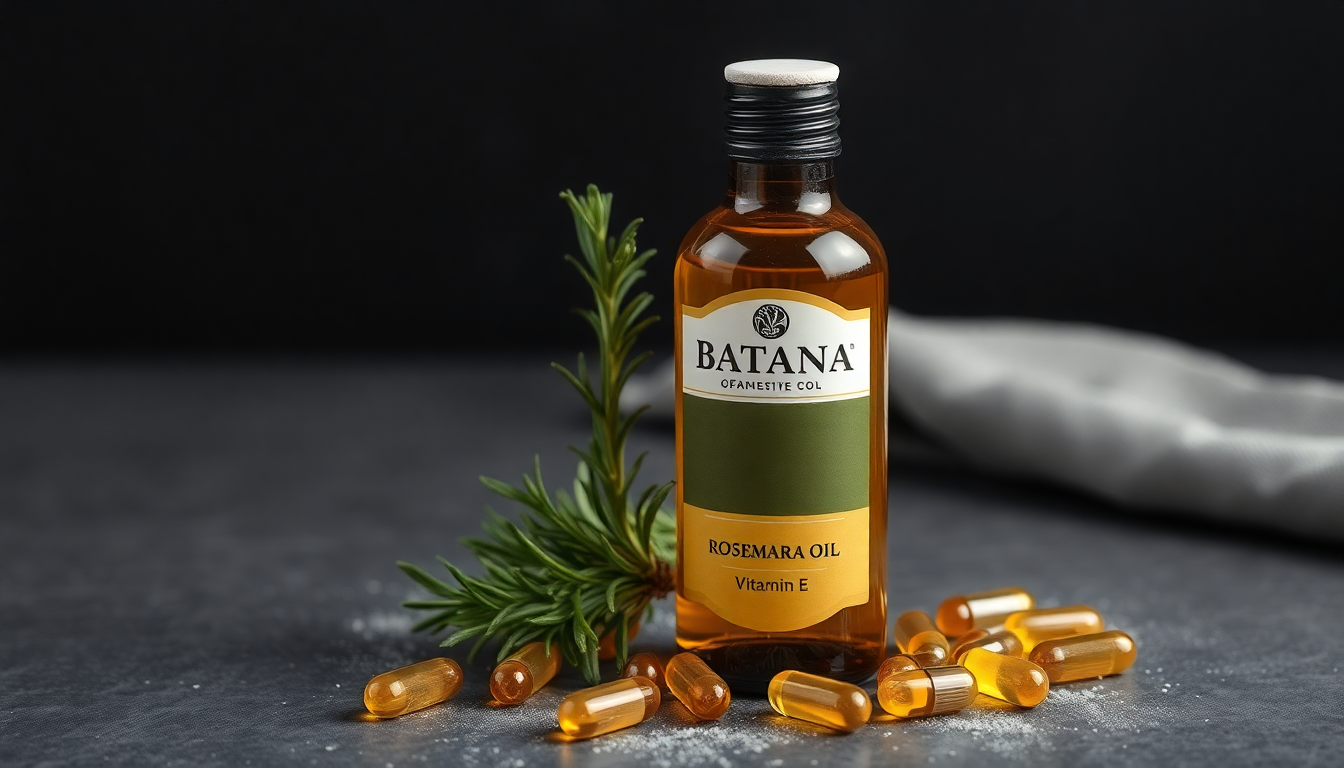
- Batana oil — Traditionally used in Central and South American hair care, batana oil is rich in long-chain fatty acids, antioxidants and emollients that restore shine and flexibility to hair shafts. Its restorative properties help reduce brittleness that causes shedding from breakage. For authentic sources and ready-made options, consider checking reputable suppliers of Batana oil.
- Rosemary essential oil & rosemary-infused carriers — Rosemary is widely used as an aromatic and topical adjunct in hair care. It can improve the sensory experience, support scalp circulation during massage, and help control scalp discomfort. Use caution during pregnancy and when you have sensitivity to essential oils.
- Vitamin E (tocopherol) — An antioxidant that helps stabilize natural oils and slows rancidity, Vitamin E also supports skin barrier repair. It improves shelf life and contributes to scalp healing when used at topical concentrations typical for hair oils.
- Fractionated carriers (e.g., fractionated coconut oil, grapeseed oil) — These keep the emulsion lightweight and less greasy while aiding absorption.
- Emulsifier (Polysorbate 80, cetearyl glucoside or other eco-friendly emulsifiers) — Crucial for binding the oil phase to water so the mixture turns milky and rinses away waxy deposits. Without an emulsifier, oils will slip off but won’t effectively lift waxy residues that require an emulsion interface.
Understanding emulsification: simple explanation
An emulsifier is a molecule with two ends: one hydrophilic (water-loving) and one lipophilic (oil-loving). When you mix oils and water with an emulsifier, the emulsifier sits between the oil droplets and the water, allowing tiny oil droplets to be suspended in water as a milky solution. That milky emulsion can then trap and lift waxy residues and rinse away — much like how shampoo with surfactants disperses oil and dirt. The difference here is we retain skin-friendly oils (batana, jojoba, etc.) and avoid harsh surfactants that strip natural oils entirely.
Batch recipes and ratios
Choose a batch size based on how often you’ll use the emulsion. Percentages help you scale without recalculating every ingredient. Below are three ready-to-mix examples. Measure by weight if possible for accuracy; if using volume, keep ratios consistent.
Target formula (by percentage)
- Oil phase (total): 55% — Batana + fractionated carrier + jojoba/rosehip
- Water phase (distilled water or hydrosol): 40%
- Emulsifier: 4–6% (adjust depending on type)
- Vitamin E: 1–2% (as antioxidant)
- Essential oils (rosemary): 0.5–1% (typically 10–25 drops per 120 ml depending on potency)
Small batch — 120 ml (4 fl oz)
- Batana oil: 30 ml (25%)
- Fractionated coconut oil or grapeseed oil: 40 ml (33%)
- Jojoba or rosehip oil: 15 ml (12.5%)
- Vitamin E oil: 2 ml (1.5%)
- Emulsifier (Polysorbate 80 or cetearyl glucoside): 6 ml (5%)
- Rosemary essential oil: 10–20 drops (0.5–1%)
- Distilled water or hydrosol: 27 ml (22.5%)
Medium batch — 240 ml (8 fl oz)
- Batana oil: 60 ml
- Fractionated coconut oil: 80 ml
- Jojoba: 30 ml
- Vitamin E: 4 ml
- Emulsifier: 12 ml
- Rosemary EO: 20–40 drops
- Distilled water/hydrosol: 54 ml
Large batch — 500 ml
- Batana oil: 125 ml
- Fractionated coconut oil: 165 ml
- Jojoba/Rosehip: 60 ml
- Vitamin E: 10 ml
- Emulsifier: 25 ml
- Rosemary EO: 40–80 drops
- Distilled water/hydrosol: 55–60 ml
Tools and sanitation
- Digital scale (grams) for best accuracy
- Glass beakers or heat-safe measuring cups
- Mini handheld frother or immersion blender for better emulsions
- Double boiler or heat-safe bowl and pot
- Glass dropper bottles or dark pump bottles (protects against light)
- Isopropyl alcohol for sanitizing bottles and tools
Mixing method (detailed)
- Sanitize all tools and bottles with alcohol; allow to air dry.
- Weigh and combine the oil phase: batana, fractionated oil, jojoba/rosehip. Place in heat bath until warm (~40-50°C / 104-122°F). Do not overheat; keep temperatures similar between phases.
- Stir in Vitamin E and your emulsifier into the warm oil phase until fully dissolved.
- Warm the water phase (distilled water or hydrosol) to approximately the same temperature as the oil phase. If using a co-wash like castile, mix it into the water phase now (1–2% if added).
- With whisking or a mini frother running, slowly add the water phase to the oil phase. Whisk continuously until the mixture turns slightly milky and thickens. Use an immersion blender for a more stable emulsion if desired, pulsing to avoid excessive heat.
- Allow to cool below 40°C before adding rosemary essential oil and any heat-sensitive additives (proteins, preservatives if used).
- Pour into prepared bottles and label with date and batch details.
Preservation and shelf life
- This formula includes water, so it is vulnerable to microbial growth. For home use, make small batches and keep refrigerated if possible; use within 3 months. Adding a cosmetic preservative (e.g., broad-spectrum preservative suitable for emulsions) extends shelf life to 6–12 months — use preservatives per manufacturer instructions and legal regulations in your region.
- Vitamin E slows oxidation but is not a preservative for water. If you notice off-odors, color change, or separation beyond normal settling, discard the batch.
How to apply: protocols for different goals
Application technique matters more than volume. Below are clear protocols based on specific goals.
To emulsify heavy wax buildup
- Work on dry or slightly damp hair. Section hair for access to the scalp.
- Apply 5–20 ml directly to the scalp and on areas with visible buildup (adjust by hair density and length).
- Massage with circular motions for 4–8 minutes to allow the emulsifier to bind waxes and to mechanically loosen residues.
- Rinse with warm water while massaging; the emulsion should turn milky as it lifts wax. Repeat a second rinse if needed.
- Follow with a light conditioner or your Chebe paste application routine once scalp is clean and dry.
To reduce shedding and improve scalp health (maintenance)
- Use once every 2–4 weeks or as needed depending on product usage. The lightweight carriers deliver lipids without greasiness, reducing friction-related breakage.
- Combine with a gentle scalp massage technique to stimulate circulation and help follicles remain flexible.
Integration with Chebe routines
Use the emulsion as a pre-wash when you detect waxy buildup before applying a Chebe paste. A clean scalp allows the paste to adhere uniformly to hair strands. After a Chebe application, avoid heavy waxes on top of the paste; use this emulsion only when you need to remove residues between Chebe sessions.
Variations for scalp types
- Oily scalp: reduce batana proportion to 20% and increase fractionated carrier to maintain lightness. Use a slightly higher emulsifier percentage (6%) for faster wax-lift.
- Dry or flaky scalp: keep batana at 25–30% and add 5% rosehip oil for additional skin-nourishing fatty acids. Keep water/hydrosol soothing (chamomile or rose hydrosol).
- Sensitive scalp: avoid essential oils, or use 2–3 drops of rosemary at most in a small patch-tested quantity. Use gentle emulsifiers and omit castile soap.
Advanced tuning: percentages and stability
Emulsions depend on the HLB (hydrophilic-lipophilic balance) of the emulsifier and oils. If you want to experiment, adjust emulsifier in 0.5% increments and test stability over 24–72 hours. If the emulsion separates, increase emulsifier or blend longer at the point of combining. If the texture is too thin, reduce water or add a natural thickener like xanthan gum (0.1–0.3%), dispersing it into the water phase first.
Practical tips and troubleshooting
- Separation after sitting: shake well before use. If separation becomes extreme and cannot re-emulsify, discard and reformulate with slightly more emulsifier.
- Too greasy feeling: reduce batana percentage and increase fractionated carrier.
- Emulsifier causes scalp tingling: try a different emulsifier or lower percentage; some people are sensitive to certain surfactants.
- Not emulsifying wax: increase emulsifier and/or add 1–2% mild surfactant like castile soap into water phase, but use cautiously to avoid stripping.
Scalp massage techniques to complement the emulsion
Combine the emulsion with a targeted scalp massage to improve circulation, promote relaxation, and help loosen residues.
- Use circular fingertip motions across the entire scalp for 3–5 minutes per section.
- Apply gentle pressure at the temples and along the hairline to relieve tension.
- Consider a soft silicone scalp brush for additional mechanical breakdown of heavy buildup, but do not scrub aggressively to avoid irritation.
Safety and medical notes
- Always patch test 24–48 hours before full use. Apply a small drop inside the elbow and watch for redness, itching, or irritation.
- Avoid rosemary essential oil during pregnancy and breastfeeding unless cleared by a healthcare professional. People with epilepsy or certain medical conditions should consult a doctor before using rosemary EO topically.
- If you have persistent, excessive shedding, inflammation, or signs of infection (pus, open sores), stop using topical DIY formulas and consult a dermatologist.
Realistic expectations and timeline
This emulsion targets waxy buildup and supports scalp barrier function; it can help reduce shedding caused by brittleness and product-induced friction. Expect to: see immediate improvement in surface residue removal, notice softer hair after the first few uses, and observe lower mechanical shedding over several weeks with consistent use. Hair growth outcomes depend on many factors — genetics, diet, and overall scalp health — so this is a supportive tool rather than a miracle cure.
Frequently asked questions (expanded)
- Can I use this daily? No. Because this is an emulsifying product designed to lift buildup, using it too frequently can alter your natural oil balance. Start with once every 1–2 weeks for buildup, or every 2–4 weeks for maintenance.
- Will it wash out Chebe paste? Yes — use this before or between Chebe sessions, not immediately after applying paste you want to retain. Use sparingly to maintain the benefits of the Chebe regimen.
- Can men using pomade or Hair Wax for Men benefit? Absolutely. This emulsion helps break down and lift stubborn waxes used by men. For targeted removal, focus application on hairline and crown buildup and rinse thoroughly.
- Do I need to refrigerate the emulsion? Refrigeration helps extend shelf life for DIY emulsions without preservatives, though it may thicken the texture slightly. Use within 3 months if unrefrigerated; up to 6 months if homemade with a proper preservative and stored cool.
Where to source quality ingredients
Quality of raw ingredients greatly influences results. For authentic Batana oil, rosemary concentrates and curated hair growth products that pair well with this formulation, shop trusted suppliers that disclose sourcing and processing. For convenience and artisanal offerings, check curated vendors such as Sevich Collections where you can find authentic Batana oil, rosemary blends, and complementary hair growth products. These products are suitable for people following Chebe regimens and for those using styling waxes who need reliable removal options.
Pairing suggestions and a weekly regimen example
Here’s a sample routine integrating the emulsion into a Chebe-centered regimen.
- Week 1: Apply Chebe paste according to your normal schedule.
- Week 2: Use the Rosemary-Activated Batana Scalp Emulsion to remove any wax buildup before reapplying Chebe paste to fresh, clean hair.
- Maintenance: Use the emulsion every 2–4 weeks as needed. On other weeks, rely on gentle co-washes or leave-in hydrators that won’t leave waxy residues.
Spotlight on product recommendations
If you prefer ready-made options or want to supplement your DIY efforts with professional products, look for:
- High-quality Batana oil from transparent sources — authentic sourcing matters for potency.
- Fractionated coconut oil or grapeseed oil labeled for cosmetic use.
- Cosmetically approved emulsifiers and preservatives if you plan to increase batch sizes and shelf life.
- Sevich Collections offers artisanal and ready-to-use options for Batana oil, rosemary hair oil, and other hair growth products that pair well with Chebe routines.
Conclusion: a practical tool to supercharge Chebe results
This Rosemary-Activated Batana Scalp Emulsion is a multipurpose tool: it emulsifies and lifts waxy buildup, nourishes the scalp with restorative lipids and antioxidants, and creates better conditions for Chebe treatments to adhere and perform. It supports reduced mechanical shedding by improving hair flexibility and scalp health while staying lightweight enough to avoid unnecessary greasiness.
If you’d rather purchase high-quality ingredients or ready-made oils, explore Sevich Collections for authentic Batana oil, rosemary-infused hair oil, and curated hair growth products. Their range includes artisanal oils and formulations designed to complement DIY regimens and to help you achieve consistent, healthy progress. Visit Sevich Collections to shop and support your hair journey with professional-grade ingredients and ready-to-use solutions.
Final safety reminder
This guide is educational and intended for general hair and scalp care. It does not replace medical advice. For persistent hair loss, scalp inflammation, or other concerning symptoms, consult a dermatologist or healthcare professional.

Zostaw komentarz
Ta strona jest chroniona przez hCaptcha i obowiązują na niej Polityka prywatności i Warunki korzystania z usługi serwisu hCaptcha.