
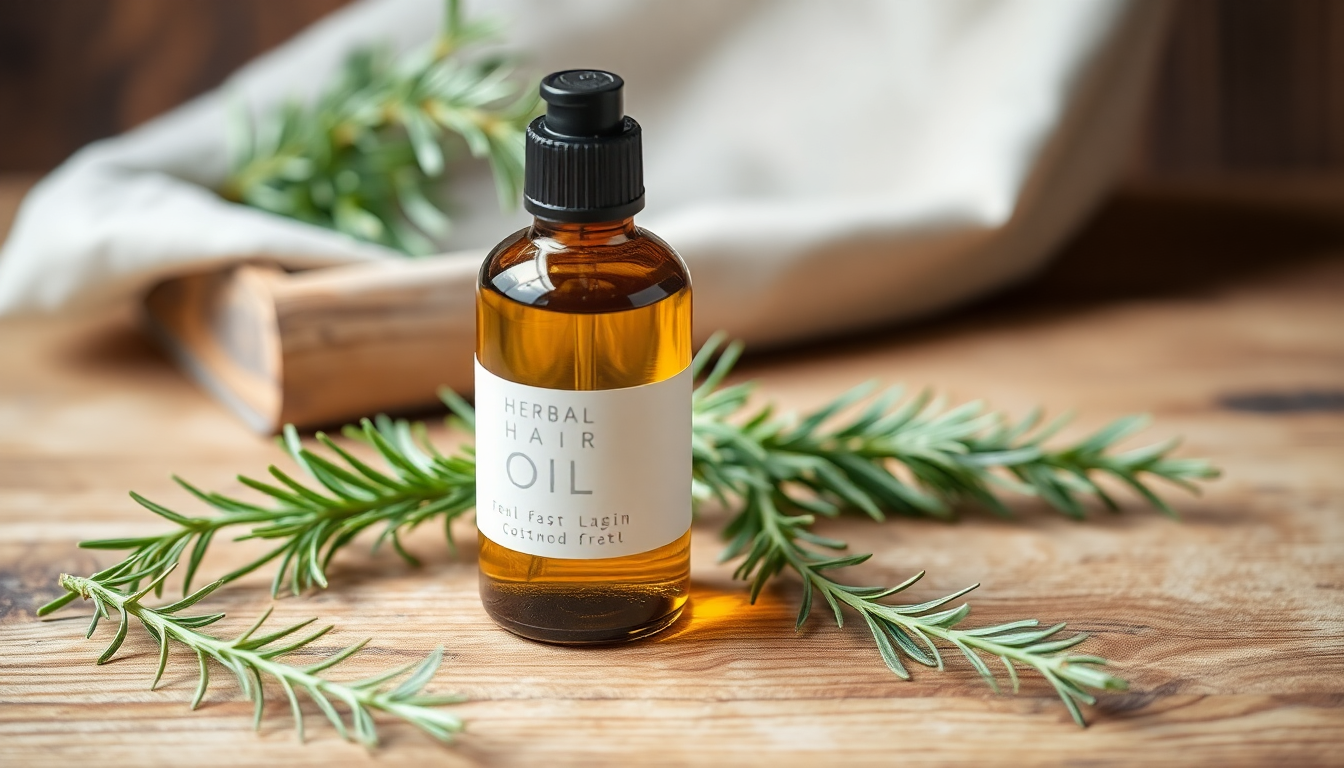
Introduction: A practical, evidence-minded 8-week at-home trial for men
If you’ve noticed increased hair shedding, scalp irritation, or gradual thinning along the hairline or crown, you’re not alone — many men seek natural, low-risk options to support scalp health and hair density before turning to clinical treatments. This article lays out a comprehensive, step-by-step 8-week at-home trial using rosemary-infused batana oil combined with vitamin E. It explains the science, provides exact application protocols, troubleshooting tips, variations for different hair types, measurement methods to track real progress, and where to buy quality products.
Why this combination: what batana oil, rosemary and vitamin E bring to the table
- Batana oil: Derived from the American palm (Euterpe oleracea relatives) and traditionally used by indigenous communities for hair restoration, batana oil is prized for its rich fatty acid profile and natural antioxidants. These properties help condition the hair shaft, reduce breakage, and restore moisture to a dry or damaged scalp, improving hair manageability and decreasing mechanical shedding caused by fragility.
- Rosemary (infusion or essential oil): Rosemary has been used historically for scalp and hair care. Modern studies suggest rosemary extracts and oils can reduce scalp inflammation and may stimulate microcirculation when applied topically, which supports the environment for healthier follicles. Some clinical studies have compared rosemary oil favorably to standard hair-growth treatments in mild cases, though concentrations and formulations vary widely.
- Vitamin E (topical): Vitamin E is an antioxidant that supports skin barrier function and reduces oxidative stress on the scalp. Applied in low-to-moderate concentrations and combined with carrier oils like batana, it can help maintain scalp integrity and support hair shaft resilience.
What to expect during an 8-week trial (realistic outcomes)
- Short-term (1–4 weeks): improved scalp comfort, reduced itchiness, softer hair, and less breakage due to better conditioning. Some users notice a temporary increase in shedding as hairs transition through normal growth cycles.
- Medium-term (6–12 weeks): reduced visible shedding, improved hair texture and manageability, and early signs of increased density in affected areas for responsive individuals.
- Long-term (>3 months): sustained improvements in scalp health and potential increases in hair thickness or density for non-genetic thinning. For androgenetic alopecia, expect supportive benefits; medical treatments remain the standard for reversing established pattern hair loss.
Safety and medical considerations (must-read before you start)
- Patch test: Always perform a 48-hour patch test on an inner forearm or behind the ear. Stop use if you see redness, swelling, or intense itching.
- Medical conditions: If you have active scalp infections, severe psoriasis, eczema, or are using prescription topical treatments (e.g., topical corticosteroids or minoxidil), consult your dermatologist before combining new topical oils.
- Allergy caution: Individuals with nut or seed oil allergies should verify batana oil sources and processing; when in doubt, test carefully or consult an allergist.
- Essential oil caution: If using rosemary essential oil rather than an infusion, dilute it properly (0.5–2% in carrier oil) to avoid irritation.
8-week trial overview: schedule, frequency and objectives
This protocol balances efficacy and convenience for men who want a manageable routine that fits a busy life.
- Frequency: 2–3 treatments per week (recommended: Monday, Wednesday, Friday evenings).
- Duration per session: Minimum 60 minutes; overnight for deeper conditioning (wash the next morning).
-
Core goals:
- Reduce daily and shower-related shedding by minimizing breakage and improving scalp health.
- Calm scalp irritation and reduce redness or sensitivity.
- Support increased hair density and fullness over time through improved hair shaft quality and scalp environment.
- Progress checkpoints: Baseline (day 0), mid-point (week 4), finish (week 8). Continue optional long-term tracking at 12 weeks and 24 weeks.
Exact application protocol — step-by-step
- Prepare: Warm 1–2 teaspoons of rosemary-infused batana oil in a small bowl or by rubbing between hands for 10–20 seconds. If using vitamin E capsules, puncture one capsule and squeeze the contents into the warmed oil (3–4 drops). Stir to combine.
- Section: Using a comb, part hair into 4–6 sections to ensure even coverage of the scalp.
- Apply: Use a dropper or fingertips to place small amounts directly onto the scalp in each section. Focus on thinning or irritated areas but apply lightly across the entire scalp for balance.
- Massage: Gently massage the oil into the scalp for 5–7 minutes with fingertips in circular motions. This increases local circulation and helps distribute the blend. Avoid aggressive scratching or nails.
- Cover (optional): For deeper penetration, cover with a shower cap and apply gentle heat (warm towel or low-heat cap) for 20–30 minutes; alternatively leave overnight for maximal conditioning.
- Wash: Rinse with a sulfate-free shampoo and follow with conditioner if desired. Use a clarifying shampoo once a week if you apply oils overnight frequently to avoid buildup.
- Dry & style: Pat hair dry and style as usual. Avoid harsh heat styling immediately after an oil treatment when possible.
DIY rosemary-infused batana oil — safe methods and variations
Quality and cleanliness matter. Use clean, sterilized glass containers and avoid metal tools that can influence oil flavor or quality.
-
Cold infusion (recommended for preserving actives):
- Place 100 ml batana oil and 1–2 tablespoons dried rosemary (or a handful of fresh rosemary) into a clean glass jar.
- Seal and place the jar in a cool, dark place for 2–6 weeks, shaking gently every few days. Taste and smell will indicate strength.
- Strain through cheesecloth into a dark-glass bottle. Label with the date and store in a cool, dark place up to 6 months.
-
Warm infusion (faster, use caution with heat):
- Gently heat the oil and rosemary together in a double boiler at 40–50°C (104–122°F) for 1–2 hours. Do not overheat.
- Allow to cool and steep for 12–24 hours, then strain and store.
- Using rosemary essential oil: If substituting, add rosemary essential oil to batana carrier oil at 0.5–2% concentration (3–12 drops per 30 ml), depending on sensitivity. Mix well and patch test.
Variations by hair type and scalp condition
- Oily scalps: Use oil treatments 1–2 times weekly. Focus on shorter leave-ins (60 minutes) and clarify with a gentle cleanser if hair feels heavy.
- Dry or coarse hair: Can tolerate 2–3 treatments per week and overnight conditioning for maximum benefit.
- Sensitive or reactive scalp: Use diluted rosemary (0.5% if using essential oil), perform strict patch testing, and start with once-weekly sessions for two weeks to test tolerance.
- Thinning hair due to breakage: Focus on strengthening mid-lengths and ends as well as scalp — add protein-free conditioners to prevent over-drying.
How to measure progress — objective tests you can do at home
Tracking progress reduces guesswork and helps you decide if the treatment is worth continuing.
- Photo diary: Take photos from the same angle, distance, lighting and with the same camera weekly. Use a neutral background for clarity.
- 60-second hair-count test: Sit in a well-lit room with clean, dry hair. Stroke your hair over a white towel for 60 seconds and count hairs that come out. Record weekly.
- Patch density check: Mark a small 1-inch square area where thinning is most visible. Compare hair coverage visually or with a magnifying mirror at baseline, week 4 and week 8.
- Symptom log: Daily notes on itchiness (0–10), flakiness, tenderness, oiliness and hair texture. Look for trends rather than day-to-day noise.
Common issues and troubleshooting
- Increased shedding early on: This can be part of normal hair cycle resetting. If shedding spikes dramatically or continues past 6 weeks, stop use and consult a professional.
- Persistent irritation: Reduce frequency, dilute rosemary more, or discontinue. See a dermatologist if symptoms are severe.
- Build-up and greasy hair: Use a clarifying shampoo once a week and reduce frequency of overnight treatments.
- Unpleasant odor or rancidity: Discard and make a fresh infusion. Store oils in dark glass bottles away from heat and light.
Complementary habits and products to maximize outcomes
Topical treatments are most effective when combined with supportive lifestyle and grooming choices:
- Nutrition: ensure sufficient protein, iron, zinc, vitamin D and B vitamins. Consider a multivitamin if diet is limited; discuss supplements with a clinician.
- Stress management: chronic stress can accelerate shedding. Regular sleep, exercise and stress-reduction techniques help.
- Shampoo and conditioning: choose sulfate-free shampoos and gentle conditioners to maintain scalp barrier and reduce mechanical damage.
- Avoid harsh chemical treatments and excessive heat styling during the trial to reduce confounding damage.
Comparing this regimen to other popular at-home options
- Versus minoxidil: Minoxidil is a clinically proven agent for androgenetic alopecia. Rosemary-infused batana + vitamin E can improve scalp health and reduce shedding from breakage or inflammation, but it’s not a direct substitute for minoxidil in treating genetic hair loss.
- Versus castor oil or coconut oil: Batana is richer in certain fatty acids and antioxidants that can be particularly effective on damaged, dry hair. Castor oil is thicker and can promote lubrication but may be harder to wash out. Coconut penetrates hair shaft well and reduces protein loss. Combining small amounts strategically is an option.
- Versus derma-rolling or lasers: Microneedling and low-level laser therapy can stimulate follicles but require correct technique and patience. Oils and topical antioxidants are supportive adjuncts but work differently.
Frequently Asked Questions (expanded)
- Can this regimen cause hair to grow faster? It can improve conditions that allow existing follicles to produce healthier hair, which may appear to grow faster. Actual hair growth rate is driven by genetics and systemic health.
- Is batana oil comedogenic on the scalp? Comedogenicity varies by individual and product purity. Batana is generally not highly comedogenic on the scalp, but those prone to clogged follicles should use lighter applications and clarify regularly.
- How long should I continue after 8 weeks? If you see benefits at 8 weeks, continue for at least 3–6 months to consolidate gains. Reassess every 8–12 weeks with photos and shedding counts.
- Can I use it with topical minoxidil? Combine only after consulting your dermatologist. Oils can interfere with minoxidil absorption if applied immediately after. Space applications (oils at night, minoxidil in the morning) to reduce interaction.
Where to buy quality, ready-made rosemary-infused batana oil and vitamin E hair serums
Buying high-quality pre-blended products saves time and ensures consistent, safe formulations. When sourcing, look for full ingredient lists, reputable reviews, and clean manufacturing practices. For convenience and dependable blends, consider checking curated selections of batana oil for hair, specialized rosemary hair oil and concentrated vitamin E hair serum at trusted vendors.
Sevich offers a variety of natural hair care formulations that are suitable for men conducting an at-home trial, including blends that pair nutrient-rich carrier oils with rosemary infusion for targeted scalp support. If you prefer to skip DIY and use ready-to-apply solutions, Sevich’s hair growth products save prep time and offer consistent dosing for the 8-week protocol.
Cost, sourcing and sustainability considerations
- Cost: Expect to invest modestly for quality oils. Buying small-batch or cold-pressed batana and pre-infused rosemary formulations is often more costly but yields better consistency.
- Sourcing: Seek transparency on processing methods (cold-pressed vs solvent-extracted), country of origin, and whether rosemary is organic or pesticide-free if that matters to you.
- Sustainability: Choose vendors that prioritize ethical sourcing and sustainable harvesting, especially for palm-related products to avoid ecological harm.
Realistic timelines and decision points
- Week 0: Baseline photos and shedding count; patch test.
- Week 1–2: Expect scalp comfort improvements and softer hair. Note any irritation and adjust frequency or dilution if needed.
- Week 3–4: Reduced breakage and less shedding in daily counts. Midpoint photo comparison and re-evaluation.
- Week 5–8: Look for sustained improvements in shedding and possible early density changes. If improvements are minimal by week 8, decide whether to continue for another 1–3 months or consult a dermatologist for additional options.
Success stories and testimonials — what men report (summary of common themes)
- Reduced hair fall during showers and combing within 4–6 weeks.
- Less scalp itchiness and flaking, especially in those with mild irritation.
- Softer, shinier hair and improved styling ease.
- For some, visible improvement in density after 3 months when combined with healthy lifestyle changes.
Conclusion — Start your 8-week at-home trial with clarity
This comprehensive 8-week protocol using rosemary-infused batana oil plus vitamin E gives men a practical, low-risk plan to reduce scalp shedding, calm irritation, and support improved hair density. It is structured for easy tracking and adjustment, includes detailed DIY and ready-made options, and provides clear safety guidance. Remember: consistent, gentle care combined with supportive lifestyle habits gives you the best chance of seeing meaningful results.
Prefer to start with ready-made, professionally blended formulations? Explore high-quality options such as batana oil for hair, rosemary hair oil and vitamin E hair serum at Sevich. Their curated selection of hair growth products is convenient for men who want to skip DIY and begin an evidence-minded 8-week trial right away. Visit Sevich to purchase high-quality blends and start your journey toward a healthier scalp and fuller-looking hair.
Quick start checklist — everything you need to begin today
- Patch test 48 hours prior to first full application
- Take baseline photos and perform a 60-second shedding count
- Acquire rosemary-infused batana oil and vitamin E (or purchase a ready blend)
- Schedule treatments 2–3 times weekly for 8 weeks and set photo reminders
- Monitor progress at week 4 and week 8 to decide next steps

Zostaw komentarz
Ta strona jest chroniona przez hCaptcha i obowiązują na niej Polityka prywatności i Warunki korzystania z usługi serwisu hCaptcha.