
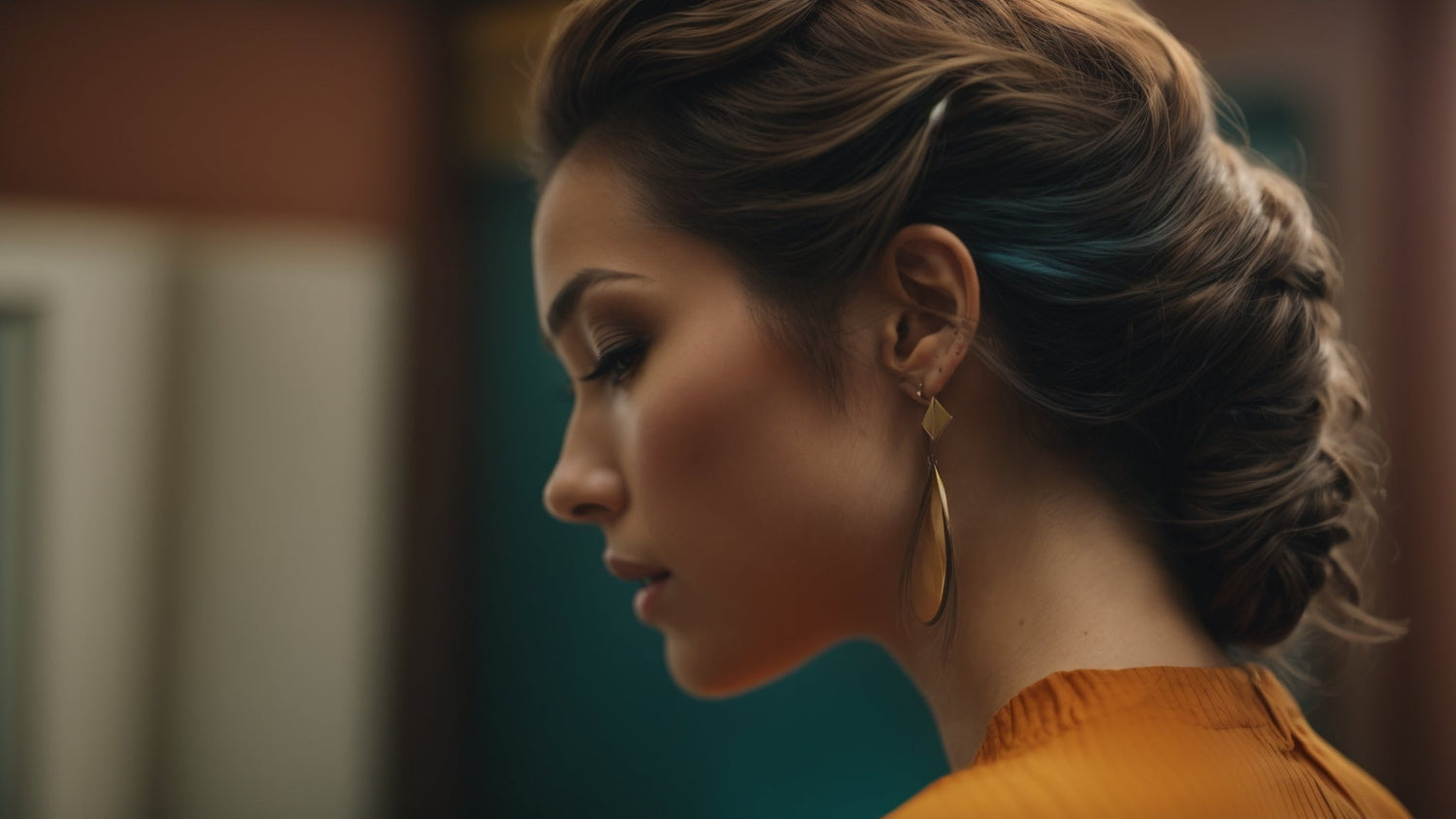
Understanding the Need for Premium Hair Repair Treatment
Maintaining the structural integrity of your tresses is a significant task in 2026. Frequent styling, environmental stressors, and chemical processing contribute to the deterioration of the cuticle. A high-quality hair repair treatment acts as a restorative mechanism, targeting internal protein bonds and external surface smoothness. When selecting a product, prioritize formulations that contain hydrolyzed proteins, natural lipids, and deep-penetrating humectants. These ingredients work in tandem to reconstruct the keratin matrix, which often suffers from neglect or over-processing. By investing in top-tier care, you are choosing to fortify the foundation of your hair health, ensuring long-term resilience against common stressors.
Effective Strategies for Damaged Hair Repair
Addressing compromised strands requires a consistent regimen focused on moisture retention and protein stabilization. Damaged hair repair is not an overnight process, but a systematic approach yields measurable improvements. Consider the following steps to enhance the efficacy of your treatment:
- Assess the porosity of your hair to determine if you require protein-rich or moisture-heavy therapies.
- Apply the treatment to clean, damp strands to ensure maximum absorption into the hair shaft.
- Use a wide-tooth comb to distribute the product evenly, preventing breakage during the application.
- Incorporate thermal caps or warm towels to assist the penetration of active ingredients into the cortex.
- Rinse with cool water to seal the cuticle and retain hydration after the treatment duration is complete.
- Follow up with a microfiber towel to minimize mechanical friction on fragile ends.
The Role of Botanical Extracts and Advanced Polymers
Modern chemistry allows for the creation of sophisticated polymers that mimic the natural structure of healthy hair. In 2026, many top-tier treatments utilize plant-derived lipids such as argan oil, shea butter, and avocado oil to provide necessary weight and shine without causing buildup. These elements are essential for damaged hair repair, as they create a protective barrier against humidity and UV radiation. When choosing a product, verify that the formula is free from harsh sulfates, which can strip away the natural oils required for long-term health. The goal is to provide a balanced intake of hydration and lipids to maintain a flexible and strong hair cuticle.
Developing a Sustainable Maintenance Routine
A successful approach to hair health is rooted in frequency and quality. Rather than relying on sporadic quick fixes, treat your hair maintenance as a mandatory weekly ritual. For individuals with high porosity hair, a protein-focused hair repair treatment every two weeks is recommended. If your hair is prone to dryness due to heat styling, prioritize weekly deep conditioning sessions. Furthermore, consider the physical environment; high-quality leave-in conditioners can supplement your in-shower regimen, providing a continuous supply of nutrients to the hair ends where damage is most visible. By maintaining this equilibrium, you significantly reduce the likelihood of future breakage.
Professional Insights on Long-Term Hair Health
Investing in professional-grade solutions provides superior results compared to mass-market alternatives. Premium products often feature advanced molecular technology that identifies specific areas of weakness within the hair fiber. By integrating these targeted treatments into your monthly schedule, you preserve the elasticity and strength of your hair. Consistency is the primary factor in reversing signs of distress, ensuring that your hair remains resilient against daily friction and heat exposure. Consult with a professional stylist to customize a protocol that aligns with your specific hair texture and current damage level for optimal recovery results. Remember that internal health—balanced nutrition and hydration—also plays a massive role in how effectively your hair responds to topical restorative treatments.
Identifying Signs of Hair Distress
Recognizing the early symptoms of structural compromise is vital. Split ends, a dull appearance, increased tangling, and lack of bounce are clear indicators that your hair requires attention. A premium hair repair treatment addresses these symptoms by smoothing the hair shaft and replenishing lost amino acids. When the cuticle is damaged, the cortex remains exposed, leading to further dehydration. Applying the correct treatment at the right interval halts this degradation process, allowing your hair to grow longer and stronger without the constant threat of breakage at the mid-lengths.


Leave a comment
This site is protected by hCaptcha and the hCaptcha Privacy Policy and Terms of Service apply.