

Introduction
In the dynamic landscape of beauty and skincare, the quest for the perfect natural oil is ongoing. Two contenders, palm oil and batana oil, have gained considerable attention for their unique properties and benefits. In 2025, understanding the differences between these oils is crucial for consumers who wish to optimize their hair and skin care routines. This article will provide a comprehensive overview of both oils, examining their origins, benefits, potential drawbacks, and best uses.
What is Palm Oil?
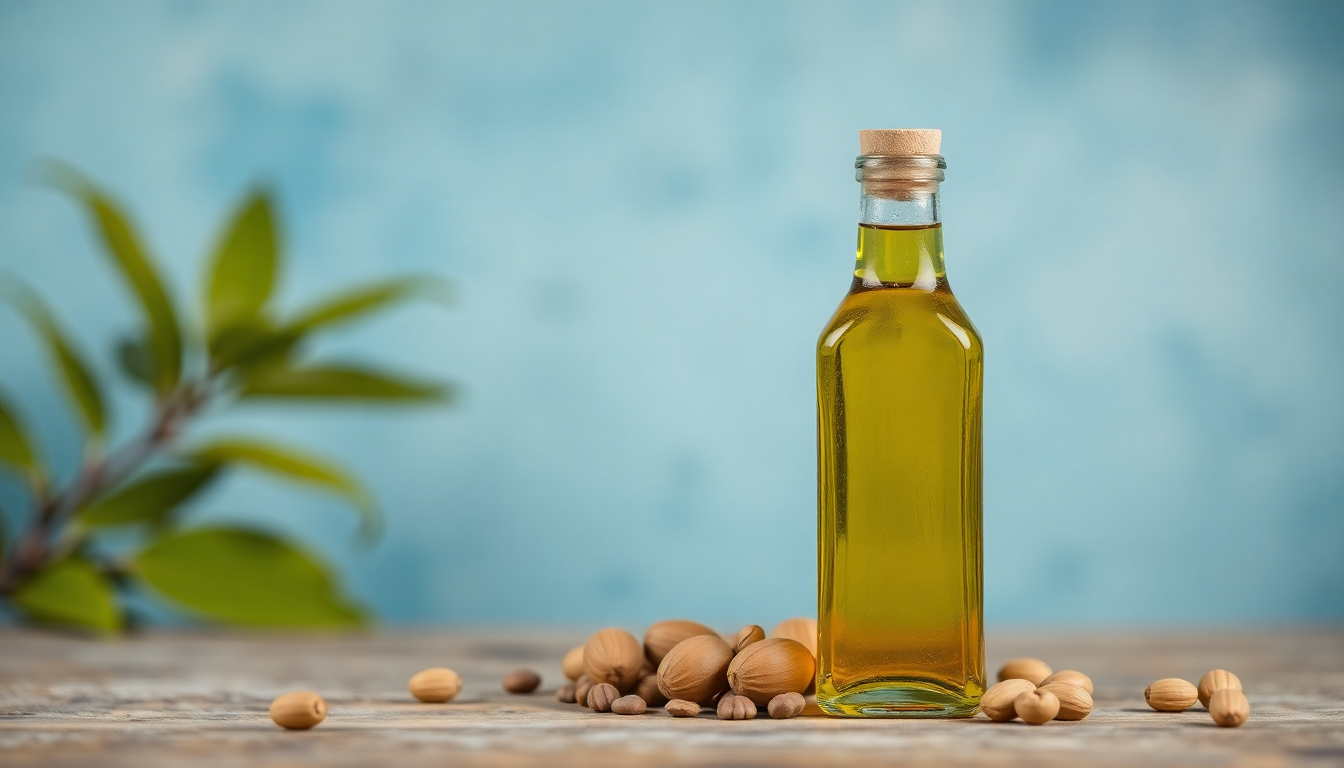
Palm oil is a versatile oil extracted from the fruit of the oil palm tree, primarily found in countries like Indonesia and Malaysia. Its widespread use in the cosmetic industry is attributed to its rich nutrient profile. Below are some key characteristics of palm oil:
- Rich in Nutrients: Palm oil is abundant in vitamins A and E, which are essential for skin health. Vitamin A promotes cell regeneration, while vitamin E acts as a powerful antioxidant, protecting skin from free radicals.
- Moisturizing Properties: This oil is an excellent emollient, providing deep hydration and preventing moisture loss in both skin and hair. Its ability to lock in moisture is particularly beneficial for those with dry or damaged hair.
- Anti-Aging Benefits: The antioxidants present in palm oil can help reduce the appearance of fine lines and wrinkles, making it a popular ingredient in anti-aging products.
- Non-Comedogenic: Palm oil does not clog pores, which makes it suitable for various skin types, including oily and acne-prone skin.
What is Batana Oil?
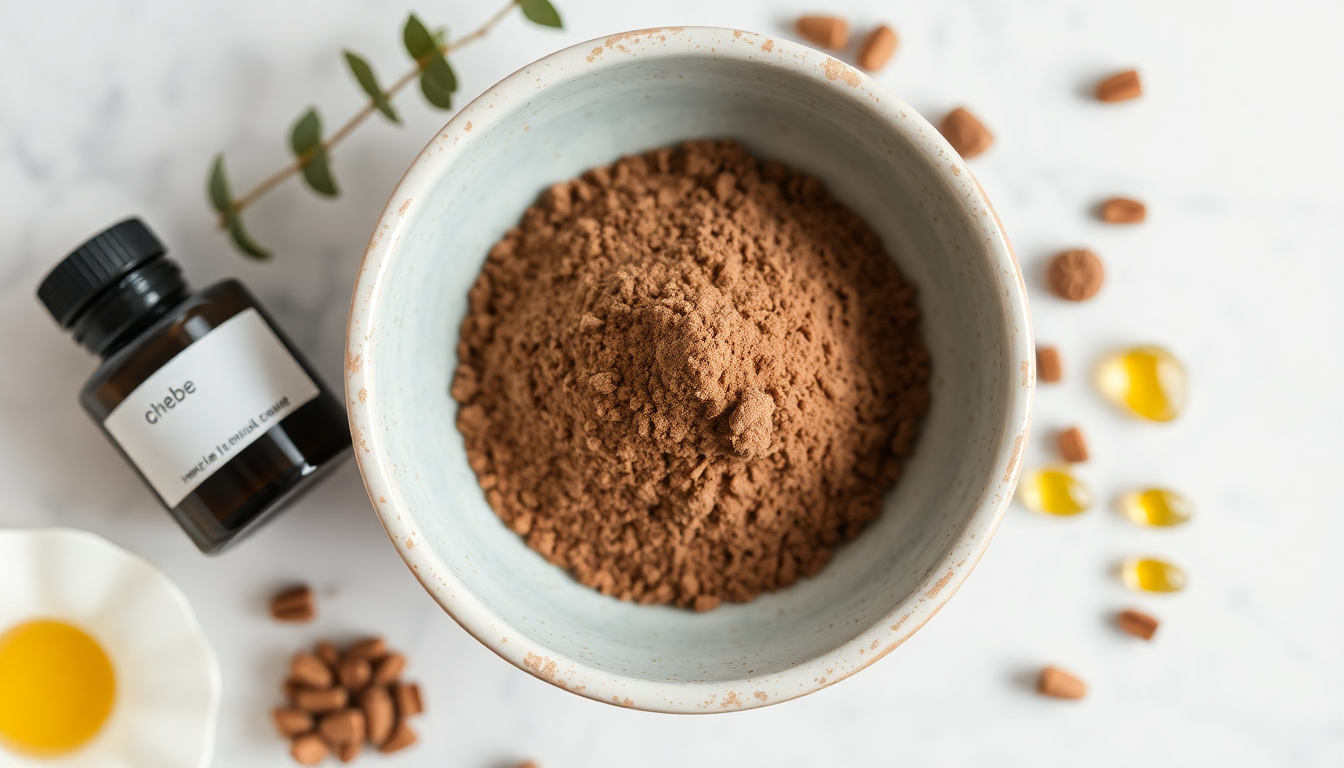
Batana oil, often referred to as the "miracle oil," is derived from the nuts of the American palm tree, primarily found in Honduras and other parts of Central America. This oil has a long history of use among indigenous communities for its remarkable benefits:
- Hair Restoration: Batana oil is renowned for its ability to restore damaged hair. It penetrates deep into the hair shaft, nourishing and revitalizing it from within.
- Rich in Fatty Acids: High levels of oleic and linoleic acids make batana oil an excellent choice for maintaining healthy hair and skin. These fatty acids help to strengthen hair follicles and improve elasticity.
- Natural Shine: Users often report that batana oil enhances the natural shine of both hair and skin, leaving them looking vibrant and healthy.
- Anti-Inflammatory Properties: Batana oil can also soothe irritated skin and reduce inflammation, making it beneficial for those with sensitive skin conditions.
Comparative Analysis: Palm Oil vs Batana Oil
While both oils offer significant benefits, their applications and effectiveness can vary based on individual needs. Below is a comparative analysis of palm oil and batana oil:
- For Hair Care: Batana oil is often favored for its restorative properties, particularly for damaged, dry, or frizzy hair. Its ability to penetrate deeply makes it highly effective in repairing split ends and breakage. Palm oil, on the other hand, is excellent for moisturizing and preventing hair breakage. It can be used as a pre-shampoo treatment or as a leave-in conditioner to enhance overall hair health.
- For Skin Care: Palm oil’s rich vitamin content makes it ideal for anti-aging and general skincare. It provides hydration and elasticity, making it suitable for mature skin. Batana oil provides deep nourishment and is best for enhancing skin radiance. It can also help with issues like dryness and flakiness, making it an excellent choice for those with dry skin conditions.
- Ethical Considerations: The production of palm oil has been linked to deforestation and environmental degradation, leading to significant concerns regarding sustainability. Therefore, it is essential to source sustainably produced palm oil, certified by organizations like the Roundtable on Sustainable Palm Oil (RSPO). Batana oil, being less commercialized and often sourced from small-scale producers in Central America, typically has a lower environmental impact. Supporting batana oil can also contribute to local economies.
- Cost and Availability: Palm oil is widely available and often more affordable due to its mass production. Batana oil, however, may be harder to find and could be more expensive due to its limited production and sourcing challenges.
Health Benefits of Palm Oil
Beyond its cosmetic uses, palm oil also offers several health benefits, particularly when consumed in moderation:
- Heart Health: Despite being high in saturated fats, palm oil contains tocotrienols, a form of vitamin E that may help lower cholesterol levels and improve heart health.
- Improved Vision: The high levels of beta-carotene in palm oil can contribute to better vision and overall eye health.
Health Benefits of Batana Oil
While batana oil is primarily recognized for its beauty benefits, it also has some health-promoting properties:
- Rich in Antioxidants: Batana oil is packed with antioxidants that combat oxidative stress, which can lead to various health issues.
- Supports Skin Health: Its anti-inflammatory properties make batana oil beneficial for various skin conditions, including eczema and psoriasis.
How to Incorporate Palm Oil and Batana Oil into Your Routine
Incorporating these oils into your hair and skincare routine can yield significant benefits:
-
Palm Oil:
- As a Moisturizer: Apply palm oil directly to your skin after cleansing to lock in moisture.
- As a Hair Treatment: Use palm oil as a pre-shampoo treatment by massaging it into your scalp and hair, leaving it on for 30 minutes before washing.
-
Batana Oil:
- As a Hair Mask: Apply batana oil to your hair, focusing on the ends, and leave it in for several hours or overnight for deep conditioning.
- As a Skin Serum: Use batana oil as a facial serum by applying a few drops to clean skin before your moisturizer for added glow.
Conclusion
In conclusion, both palm oil and batana oil offer unique benefits for hair and skin care in 2025. Choosing between the two largely depends on individual hair and skin needs, as well as ethical considerations. For those looking for deep restoration and nourishment, batana oil may be the superior choice. Conversely, for moisturizing and anti-aging benefits, palm oil remains a strong contender. As consumers become more informed, the demand for sustainable and effective oils will continue to shape the beauty industry. By understanding the key differences and benefits of palm oil and batana oil, individuals can make informed decisions that align with their beauty goals and ethical values.

Laat een reactie achter
Deze site wordt beschermd door hCaptcha en het privacybeleid en de servicevoorwaarden van hCaptcha zijn van toepassing.