
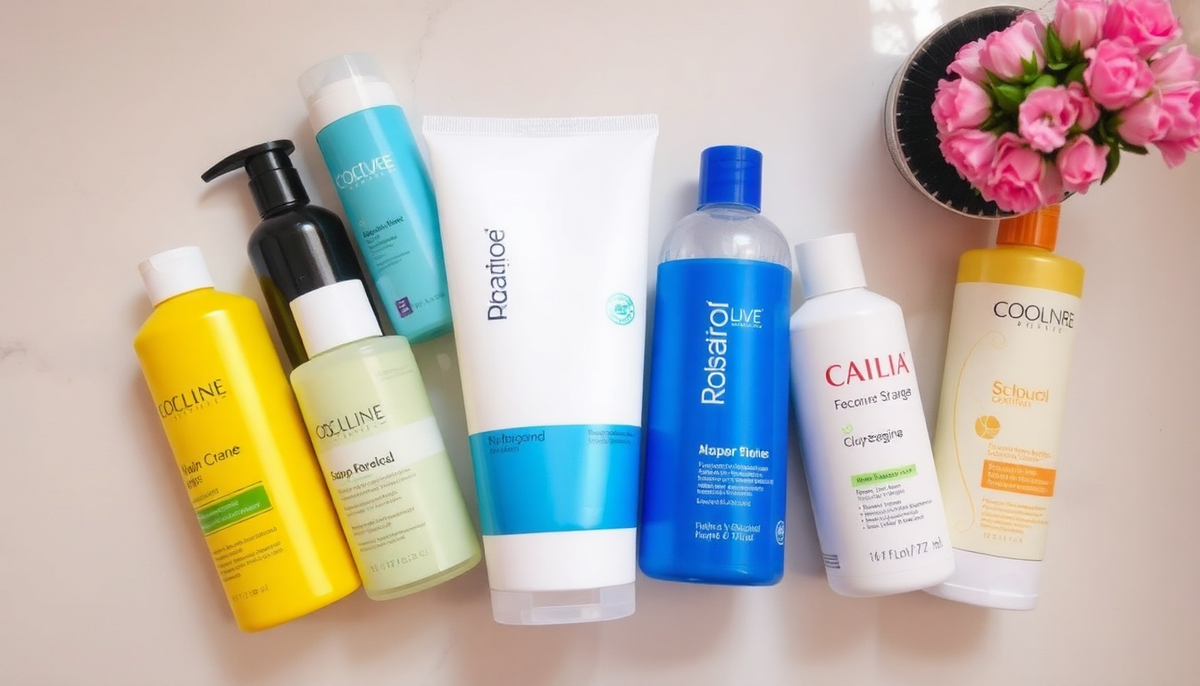
Introduction
Healthy, shiny hair begins with strategic product selection and mindful daily care. In 2026, the hair care landscape is richer than ever, featuring a spectrum of cleansers, conditioners, serums, masks, oils, and styling aids. The secret to lasting hair health is choosing safe, effective formulations tailored to your unique hair type, scalp condition, and lifestyle. This guide provides a detailed framework—ingredient insights, safety considerations, and practical steps—to help you build a simple, powerful routine that supports long-term shine and resilience.
Know Your Hair Type, Texture, and Scalp
- Hair type and texture: straight, wavy, curly, coily, fine, medium, or thick.
- Current condition: moisture level, porosity, elasticity, and any damage from heat or chemical treatments.
- Scalp health: oily, dry, flaky, sensitive, or prone to irritation.
- Lifestyle factors: color-treated hair, frequent coloring, swimming in chlorinated water, or exposure to sun and heat.
Documenting these factors helps you select products with ingredients that address your specific needs without weighing hair down or triggering sensitivities.
Core Ingredient Categories to Seek (and Limit)
- Humectants and moisturizers: glycerin, hyaluronic acid, panthenol (pro-vitamin B5) for hydration without heaviness.
- Proteins and amino acids: keratin, silk peptides, wheat amino acids to support strength and resilience; avoid overuse on highly protein-sensitive hair.
- Oils and emollients: argan, jojoba, squalane, lightweight silicone alternatives; apply heavier oils mainly to mid-lengths and ends if you have fine hair.
- Silicones and conditioning agents: dimethicone, cyclopentasiloxane improve slip and shine but may require occasional clarifying to prevent buildup on certain water chemistries.
- Antioxidants and UV protectants: vitamin C/E, ferulic acid, avobenzone/sunscreens, and UV filters that help preserve color and integrity under sun exposure.
- Color-safe actives: maintain color with gentle surfactants and bond-preserving technologies; look for polyquats and gentle chelators that reduce color fade.
- Avoid or limit: harsh SLS/SLES for sensitive scalps, formaldehyde-releasing preservatives, high concentrations of synthetic fragrance, and certain parabens if you prefer fragrance-free or sensitive formulas.
Reading ingredient lists with a critical eye helps you balance efficacy, safety, and tolerance while avoiding unwanted buildup or irritation.
How to Choose Safe, Effective Formulas
- Define your primary goal: moisture, volume, color protection, damage repair, scalp health, or a combination.
- Check ingredient order and actives: active ingredients should appear within the first 5–8 ingredients; avoid products where key actives are buried or listed as fragrance.
- Certification and testing: look for dermatologist-tested, non-comedogenic, fragrance-free options if sensitive, cruelty-free, and vegan where applicable.
- Patch testing: perform a patch test on the inner forearm or behind the ear for 24–48 hours to check for irritation or an allergic reaction.
- Formulation type and use-case: rinse-out vs. leave-in, daily vs. weekly use, heat protection duration, and compatibility with styling tools.
- Water safety and pH: shampoos and conditioners with balanced pH (slightly acidic) help seal cuticles and reduce frizz; consider chelators for hard water if applicable.
Choosing wisely reduces trial-and-error, helping you build a compact, effective routine that scales from everyday styling to occasional salon-worthy treatments.
Building a Balanced Hair Care Routine for 2026
A well-rounded routine targets cleansing, conditioning, protection, and maintenance, with room for weekly or monthly boosters adapted to your needs.
- Cleansing step: choose a sulfate-free or mild cleanser that suits your scalp sensitivity and hair porosity; consider alternating with a co-wash if you have very dry or curly hair.
- Conditioning step: use a lightweight conditioner for fine hair and a richer formula for thick or highly porous hair; work mid-lengths to ends, avoiding roots when your scalp is prone to oiliness.
- Leave-in and treatment: apply a hydrating leave-in, serum, or lock-in oil to damp hair; target mid-lengths and ends for shine and moisture retention.
- Protection and styling: apply heat protectant before styling; choose a lightweight cream or serum for frizz control and thermal protection without weighing hair down.
- Weekly boosters: incorporate masks, bond builders, or protein treatments depending on hair condition and porosity; adjust frequency to avoid over-processing hair.
- Color care: for color-treated hair, favor color-safe formulas with UV filters and deposit color-preserving actives to minimize fading.
Consistency is more valuable than intensity. A tailored, simplified routine will deliver better long-term results than a complex, overused regimen.
Routines for Different Hair Types
- Fine, straight hair: lightweight cleansers, light conditioners, and silicone-free or low-silicone products to avoid weighing hair down; limit heavy oils to ends only.
- Medium to thick hair with moderate porosity: balanced moisture and protein; consider 1–2 weekly masks and a duo of a hydrating conditioner plus a silicone-based or silicone-advanced smoothing product for shine.
- Curly and coily hair: rich moisturizers and creams, leave-in detanglers, and weekly deep conditioning; employ curl-enhancing styling products and avoid over-washing to preserve natural oils.
- Chemically treated or color-treated: bond-building treatments, color-safe cleansers, and UV protection; minimize heat styling frequency and always use a heat shield.
- Very dry or damaged hair: reparative masks, protein-lean moisturizers, and sealing oils; be mindful of protein overload if your hair feels stiff or brittle.
Adapt each routine to your climate, water quality, and personal sensitivities for sustainable results.
Seasonal and Environmental Considerations
- Summer: protect from sun, pool chlorine, and humidity; use UV-protectant products and hydrating masks to prevent dryness and color fading.
- Winter: combat indoor heating dryness with richer emollients and leave-in serums; consider humidification at home to maintain moisture balance.
- Humidity shifts: switch to more hold-worthy or anti-frizz products when humidity rises; consider lightweight oils on ends to keep shine without frizz.
- Travel and water quality: bring travel-sized versions of your go-to products and consider chelating shampoos if you know your local water is hard.
Tailoring your routine to the season helps maintain consistent results and reduces environmental stress on hair.
Shopping Tips for 2026: What to Look For
- Claims with nuance: analyze what “clean,” “natural,” or “green” truly means for your sensitivities and goals; read product data and independent testing when available.
- Patch tests and sensitivity awareness: especially important for sensitive scalps or reactive skin; perform a patch test before introducing a new product.
- Sustainability and ethics: prefer brands with transparent ingredient sourcing, recyclable packaging, and clear cruelty-free statements.
- Transparency: opt for brands that publish complete ingredient lists and provide references for actives and claim support.
Ethical, transparent brands tend to deliver safer formulas and more reliable performance, aligning with long-term hair health goals.
Safety, Allergies, and Skin-Scalp Balance
- Common irritants: fragrance components, certain preservatives, and high-lev elalcohol content can irritate sensitive scalps; look for fragrance-free or hypoallergenic options if needed.
- Allergy awareness: perform patch tests for new actives like essential oils, citrus extracts, or botanical peptides, especially if you have a history of allergies.
- Scalp-first approach: prioritize scalp health to support hair growth and texture; a healthy scalp fosters better product performance and reduced breakage.
When in doubt, consult a dermatologist or trichologist to identify ingredients that best suit your scalp chemistry and hair goals.
Frequently Asked Questions
- Do sulfates cause hair loss? They don’t directly cause hair loss, but they can be drying and irritating for sensitive scalps; if you notice increased shedding or itching, switch to sulfate-free formulas and reassess your routine.
- Can I over-condition my hair? Yes, especially with fine hair. Use lightweight conditioners near the roots and richer formulas toward the mid-lengths and ends; adjust frequency based on texture and feel.
- Are silicones safe? Silicones can be safe and effective for slip, shine, and heat protection; some people prefer to use clarifying washes periodically to prevent buildup.
- How often should I switch products? If you notice reduced results, new irritation, or changes in your hair’s behavior (increased frizz, dryness, or oiliness), it may be time to reassess ingredients or routine.
- What about DIY or “natural” options? Many natural ingredients can help, but they may also cause sensitivities or inconsistent results. Always patch-test and prefer formulations with stable, evidence-backed actives when possible.
These FAQs help tailor a resilient routine that stands up to the styling trends and environmental challenges of 2026.
Measuring Progress: How to Know Your Routine Is Working
- Visual indicators: improved shine, less frizz, even texture across sections, and clearer color retention.
- Tactile cues: hair feels softer, more manageable, and less prone to tangling after routine adjustments.
- Scalp comfort: reduced itchiness, flaking, or sensitivity; a balanced oil baseline without over-stripping products.
- Performance over time: consistent results across seasons, with less dependency on a large product lineup.
Maintain a short, reversible log of products, application methods, and observed outcomes to refine your regimen over time.
Conclusion
Choosing safe, effective hair care products in 2026 is about balance: robust actives paired with skin- and scalp-friendly formulas, a simplified routine, and mindful adjustments for seasonality and lifestyle. Start with a solid sulfate-free or mild cleansing duo, add a hydrating conditioner, then layer targeted leave-ins or treatments for lengthwise shine and strength. Protect with a reliable heat shield and a light styling product that respects your hair’s natural texture. With thoughtful ingredient choices, transparent brands, and a readiness to adapt, you can achieve healthy, shiny hair that thrives in 2026 and beyond.


Laat een reactie achter
Deze site wordt beschermd door hCaptcha en het privacybeleid en de servicevoorwaarden van hCaptcha zijn van toepassing.