
Introduction
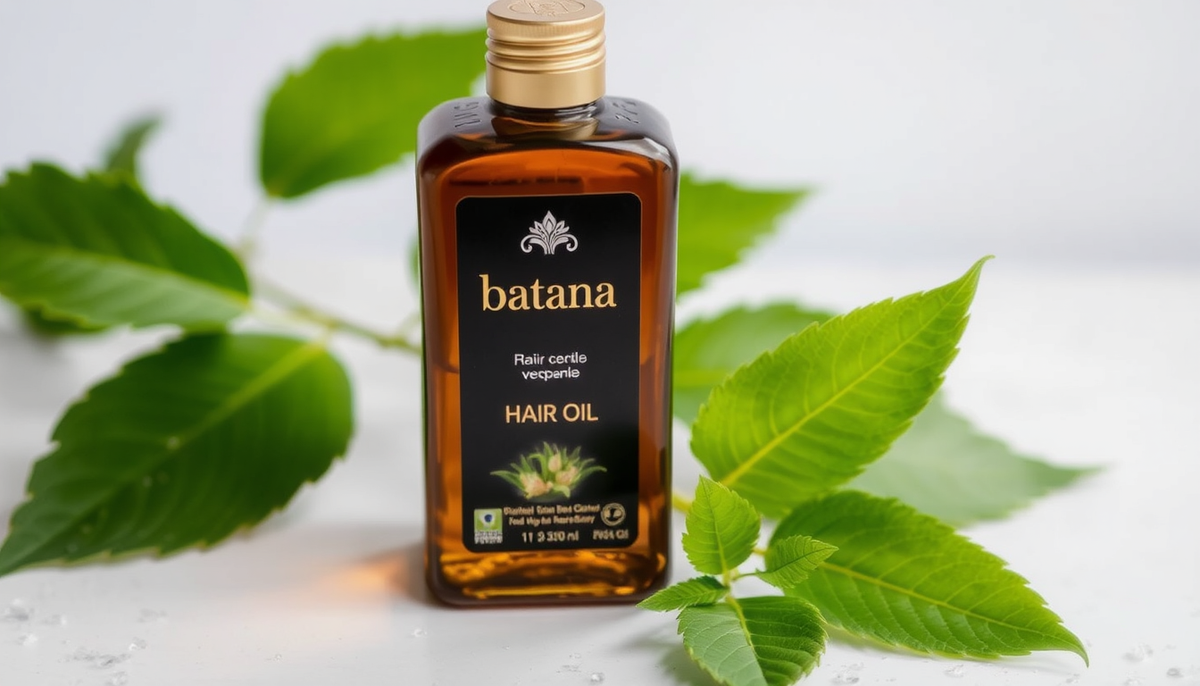
Batana oil has a storied place in traditional hair care, celebrated for its moisturizing power, potential to reduce breakage, and lightweight feel. In 2026, Dr Truth Batana Oil is among the products drawing attention for being a lab-tested, transparent option in a crowded natural-oil market. This comprehensive review combines lab insights, consumer experiences, and practical guidance to help readers decide whether this oil belongs in their hair care routine.
Historical Context: Batana Oil in Hair Care Traditions
Batana oil comes from Elaeis oleifera, a palm found in parts of the Caribbean and Latin America. Indigenous and regional communities have long used the oil to nourish hair and scalp, often attributing strong shine, softness, and resilience to routine use. Modern formulations aim to preserve these traditional benefits while enhancing purity, scent profiles, and shelf stability.
What Dr Truth Batana Oil Claims
Brand narratives typically position the product as a lightweight, fast-absorbing conditioner that seals moisture, supports elasticity, and protects against environmental stressors. Claims often emphasize natural origin, minimal processing, and suitability for multiple hair types without silicones or harsh additives.
Honest Lab-Tested Insights: What the Research Suggests
Lab testing for hair oils generally evaluates moisture retention, cuticle sealing, viscosity, absorption rate, and compatibility with diverse hair textures. For batana oil, researchers may report:
- Moisture retention improvements over 24–72 hours in controlled conditions
- Reduction in frizz and increased smoothness for medium to thick hair types
- Fast absorption with a non-greasy finish for many users
- Barrier formation on the hair shaft that helps shield against humidity and heat damage
Important caveats: results depend on the oil’s purity, formulation, and any added ingredients. Always review product labels for exact composition and testing claims.
Active Components: What Makes Batana Oil Work
Batana oil contains a blend of fatty acids, antioxidants, and phytonutrients that support hair health. Notable components typically include:
- Oleic and linoleic acids for moisture and flexibility
- Vitamin E and other antioxidants to combat oxidative stress
- Natural conditioning agents that help the cuticle lie flatter and reflect light for shine
Formulation details such as the presence of other carrier oils, esters, or fragrance can influence performance and user experience.
Real Benefits You Can Expect
Users commonly report several tangible benefits when Batana oil is used consistently and correctly:
- Hydration: improved moisture levels reduce brittleness and breakage
- Manageability: easier detangling and smoother styling
- Shine without heaviness: a healthy gloss on various textures
- Scalp conditioning: potential relief from mild dryness when used sparingly
- Protection: a light barrier against environmental aggressors and heat minor exposure
Note that results vary by hair type, current condition, and application method. Fine or oily hair may require lighter formulations or dilution with a carrier oil.
Texture, Scent, and Sensory Experience
Texture and aroma often influence user satisfaction. Batana oil is typically medium-weight, with a nutty or earthy aroma that some users find appealing and others may prefer to mask with fragrance-free formulations. The finish is generally non-greasy once absorbed, though factors like climate and application amount can alter perception.
How to Use Dr Truth Batana Oil Effectively
- Patch test: always perform a patch test to check for irritation or an allergic reaction.
- Daily or weekly use: determine if you want a lightweight daily boost or a deeper conditioning treatment.
- Application areas: focus on mid-lengths to ends; apply a small amount to the scalp only if your scalp tolerates oils well.
- Mixing approach: for very fine hair, mix with a carrier oil (like jojoba or argan) to modulate density.
- Storage: store in a cool, dark place to preserve freshness and prevent rancidity.
Routine Scenarios: When Batana Oil Fits Best
- Dry, frizzy, or textured hair seeking lightweight moisture
- Color-treated or chemically treated hair needing gentle conditioning
- Scalp dryness or mild itchiness, if tolerated and not prone to buildup
- As a pre-shampoo treatment for an extra conditioning boost
Who Should Consider Batana Oil
Consider Batana oil if you:
- Prefer plant-based, silicone-free conditioning
- Have dry or frizzy hair that benefits from extra slip and moisture
- Value traditional ingredients backed by modern testing and transparent labeling
As always, consult with a dermatologist or trichologist if you have sensitive skin, scalp conditions, or specific hair concerns.
Safety, Quality, and Sourcing Considerations
Product safety hinges on purity, sourcing, and transparent labeling. Key considerations include:
- 100% batana oil or blends with clearly listed ingredients
- Third-party testing, certifications, or sustainability disclosures
- Allergen information, fragrance additives, and potential irritants
- Country of origin and processing method to ensure ethical sourcing
Avoid products with vague labels, unknown percentages, or unverified claims. Reputable products disclose batch numbers and testing results where possible.
Comparisons: Batana Oil vs Other Hair Oils
Positioning among oils depends on texture, absorption, and user goal. Relative to more common oils like argan, coconut, and jojoba:
- Texture: often lighter than heavy carrier oils but can feel richer than light oils depending on formulation
- Oiliness: tends to absorb without leaving a heavy residue for many users, though climate matters
- Hair-type alignment: tends to benefit dry, textured, or coily hair more noticeably
- Flavor of use: ideal for leave-in conditioning but not always ideal for all scalp conditions
Common Myths vs. Realities
- Myth: Batana oil is a miracle cure for all hair problems. reality: it helps with moisture and manageability but should be part of a broader routine.
- Myth: More oil means better results. reality: over-application can weigh hair down and cause buildup.
- Myth: It can replace all other conditioners. reality: it complements conditioner and may be best used as a targeted treatment.
Ingredient Spotlight: Other Components You Might See
Some Dr Truth Batana Oil products may include additional ingredients to improve spreadability, fragrance, or shelf life. Common accompanying components include:
- Carrier oils like argan, jojoba, or sweet almond for balanced viscosity
- Natural antioxidants such as vitamin E
- Fragrance or essential oils for scent (unscented options are available)
DIY: Enhancing Batana Oil at Home (Safe Practices)
If you enjoy customizing your routine, consider safe, simple additions that won’t compromise purity:
- Mix a drop or two with a neutral conditioner to extend slip and hydration
- Create a lightweight pre-shampoo treatment by blending batana oil with a small amount of aloe vera gel
- Use a carrier oil blend to tailor viscosity for your hair type
Maintenance and Longevity: Getting the Most from Your Bottle
To ensure optimal performance and safety over time:
- Store away from heat and sunlight to preserve active components
- Check for changes in color or odor that might indicate oxidation
- Use clean hands or tools to avoid introducing contaminants
Frequently Asked Questions (Expanded)
Q: Is batana oil suitable for right after coloring or chemical treatments?
A: It can be compatible, but test a small strand first and consult with your stylist if you have concerns about processing or pH balance.
Q: Can I layer batana oil with other styling products?
A: Yes, but layering in the right order matters. Apply the oil before heavier styling products if you’re seeking moisture without buildup.
Q: How soon will I notice benefits?
A: Many users report visible improvements within 1–3 weeks with consistent use, though some benefits like shine can be noticed sooner.
Conclusion: Is Dr Truth Batana Oil Right for You?
Dr Truth Batana Oil presents a compelling option for natural, plant-based hair conditioning with lab-informed insights and a clear emphasis on purity and labeling. When used thoughtfully—tailored to your hair type, climate, and routine—it can contribute to improved moisture, manageability, and shine. As with any cosmetic product, individual results vary, so start with conservative applications, watch for your hair’s response, and choose formulations that prioritize transparency and safety.


Laat een reactie achter
Deze site wordt beschermd door hCaptcha en het privacybeleid en de servicevoorwaarden van hCaptcha zijn van toepassing.