
Introduction
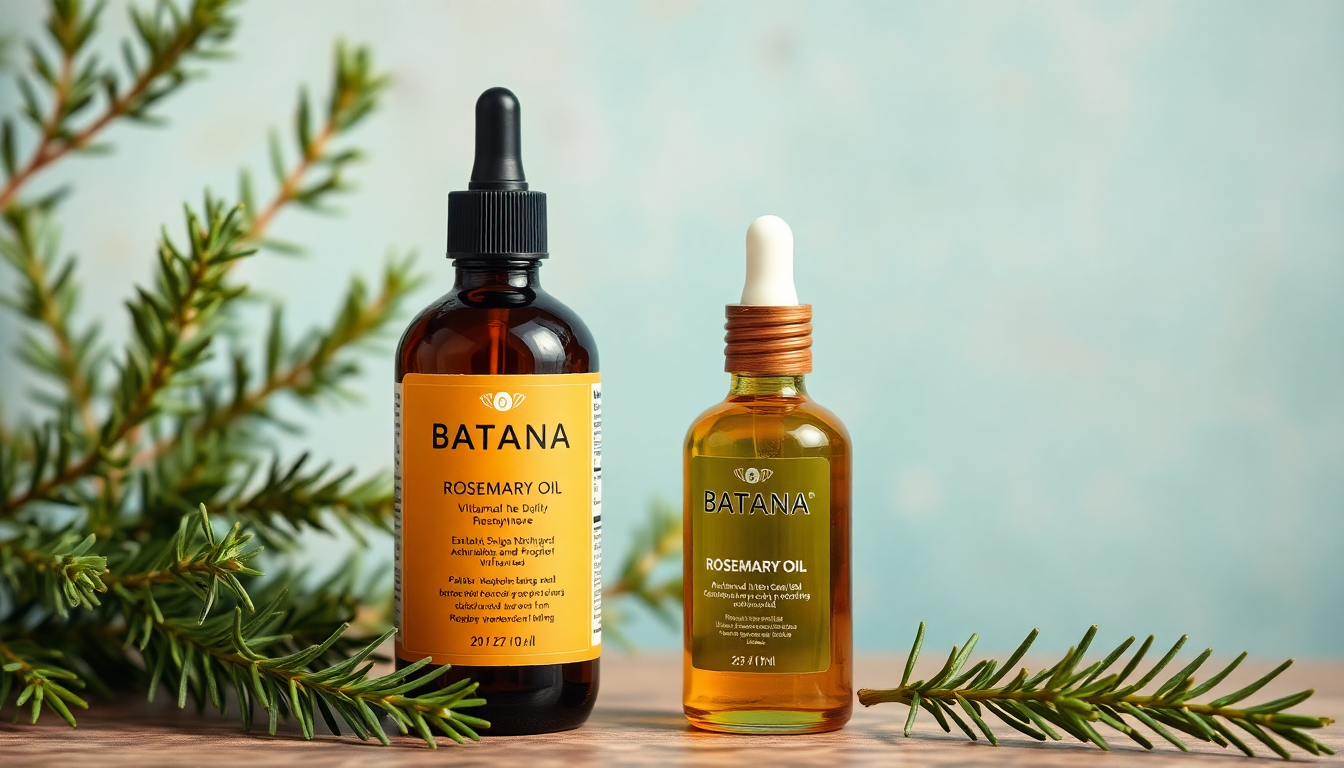
In modern natural haircare, bridging traditional treatments like chebe with bioactive, science-informed primers can dramatically improve outcomes. This in-depth guide explains how a rosemary-activated Batana oil primer enriched with vitamin E acts as a delivery system and protector—enhancing chebe penetration, reducing the need for heavy waxes, and preventing wax-induced shedding. You'll find the mechanisms, practical routines, DIY formulas, safety guidance, and product recommendations to implement this approach effectively.
Why a Scalp Primer Matters
A scalp primer is a targeted pre-treatment applied before the main product. Unlike a generic oil, a bioactive primer is designed to:
- Optimize the scalp environment for ingredient absorption
- Form a compatible lipid phase that improves adhesion of powder-based treatments like chebe
- Protect hair fibers from mechanical stress and product build-up
- Reduce the need for heavy styling waxes that can cause build-up and shedding
When thoughtfully formulated, a primer does more than moisturize—it modulates penetration, protects against oxidation, and supports both hair and scalp health.
Core Ingredients: What Each Does and Why It’s Used
- Batana Oil: Extracted from the nuts of Elaeis oleifera species (traditionally used in Central American and indigenous hair practices), Batana is rich in monounsaturated and saturated fatty acids and lipids that closely mimic sebum. This compatibility helps it form a protective, flexible film that increases the tackiness and retention of chebe powder on hair shafts without hardening the hair.
- Rosemary: Rosemary essential oil and rosemary-infused extracts contain terpene compounds and phenolics that can increase scalp microcirculation when massaged and act as mild penetration enhancers. Rosemary also provides antimicrobial and antioxidant properties which help keep the scalp environment healthy for topical treatments.
- Vitamin E (Tocopherol): A lipid-soluble antioxidant that stabilizes oil blends, delays rancidity, and supports skin barrier function. Vitamin E protects both the primer and chebe ingredients from oxidative breakdown and can reduce scalp irritation by calming oxidative stress.
- Chebe Powder: A traditional mixture (often containing ingredients like lavender, minerals, and botanicals depending on regional recipes) used to coat hair in protective layers. For chebe to be effective, it must adhere to hair fibers and form a cohesive protective matrix; the right oil primer improves that bonding and flexibility.
Mechanisms: How the Primer Enhances Chebe Penetration
The primer helps chebe work better through multiple, complementary mechanisms:
- Lipophilic interaction: Chebe often contains botanical extracts and fine particulate matter that bind more effectively to a lipid-rich surface. Batana creates that lipid interface, encouraging chebe to adhere more evenly and resist fallout.
- Transient permeability modulation: Compounds in rosemary can temporarily increase cutaneous and follicular permeability when combined with massage and mild warmth, allowing chebe actives to reach hair cuticle layers more effectively without damaging the hair.
- Film flexibility: The Batana-based film remains pliable and prevents stiff crusts that can cause breakage. This flexibility reduces friction and tension at stress points, especially around edges and braids.
- Oxidative protection: Vitamin E preserves active components, limiting breakdown products that might otherwise irritate the scalp or reduce chebe efficacy.
How Wax Causes Shedding and How the Primer Counters It
Understanding the problem helps explain the solution. Wax-induced shedding commonly results from:
- Build-up: Waxes and heavy butters trap dirt and resist cleansing, leading to weakening at the follicle-sheath interface.
- Cuticle abrasion: Stiff wax layers increase friction and abrasion during styling and manipulation.
- Follicle clogging: Heavy residues can block sweat and sebum flow, increasing scalp irritation and hair weakening.
- Excess tension: Thick wax layers combined with tight styles concentrate mechanical stress at roots.
The rosemary-activated Batana + vitamin E primer reduces these risks by:
- Creating a protective, lubricating layer that reduces the need for heavy wax to achieve hold
- Encouraging chebe to perform protective duties (moisture retention, slip, and light hold) so wax application is minimized
- Maintaining scalp health via antioxidant and antimicrobial action to reduce irritation-driven shedding
- Preserving hair flexibility and reducing breakage under manipulation
DIY Primer Recipes: Formulas for Different Needs
Below are practical, measured recipes. For safety, keep essential oil dilutions low for scalp applications (0.3%–1% typical). Use a digital scale or syringes for accuracy.
Basic Rosemary-Batana Primer (All Hair Types)
- Batana oil: 90 ml
- Mixed tocopherol (vitamin E): 5 ml
- Rosemary essential oil: 0.5 ml (approximately 0.5% for a 100 ml blend)
- Optional: 4–5 drops lavender essential oil for scent and calming properties
Directions: Warm Batana slightly in a water bath to reduce viscosity. Add vitamin E and essential oils, mix thoroughly, transfer to a dark glass bottle, and store away from heat and light. Shelf life: 6–12 months if stored properly.
Lightweight Primer for Fine Hair
- Fractionated coconut oil: 50 ml
- Batana oil: 30 ml
- Vitamin E: 5 ml
- Rosemary CO2 extract (lighter than essential oil): 1 ml
This blend reduces heaviness while preserving the lipid compatibility Batana provides.
Deep-Conditioning Primer for Very Dry or Damaged Hair
- Batana oil: 70 ml
- Shea butter (melted): 10 ml
- Vitamin E: 5 ml
- Rosemary essential oil: 0.5 ml
- Argan oil: 10 ml
Melt and blend, then cool to form a slightly thicker primer ideal for protective styles. Use sparingly at roots to avoid excessive build-up.
Application Protocol: Step-by-Step for Best Results
- Clarify first (as needed): If you've been using heavy wax regularly, use a clarifying wash (or an oil pre-rinse followed by a gentle shampoo) to remove build-up. Don’t over-clarify—once every 2–4 weeks is common depending on wax use.
- Section hair: Divide hair into manageable parts for even primer application.
- Warm and apply: Warm a small amount of the primer between your palms. Apply to the scalp and along hair shafts where chebe will be placed. Typical amounts: 1–2 teaspoons for short hair, 1–2 tablespoons for medium hair, 2–4 tablespoons for long or dense hair.
- Massage and stimulate: Massage the oil into the scalp for 2–5 minutes to increase circulation and encourage the rosemary compounds to act.
- Optional heat boost: Use a warm towel or low-heat cap for 10–20 minutes to improve penetration. Avoid high heat that may damage the hair’s protein structure.
- Apply chebe: While the primer surface is slightly tacky, apply chebe per your usual method. The primer should help the chebe particles adhere and form a protective matrix.
- Limit wax: Use minimal wax if you still need hold—often a pea-sized amount diluted on palms provides the finish without heavy layering.
- Removal: Use oil to dissolve wax and chebe during detangling, followed by a moisturizing conditioner and a gentle shampoo if needed. Be patient—slow, careful removal reduces breakage.
Routine Frequency and Maintenance
- Apply the primer before every chebe session or heavy protective style.
- For regular maintenance, use the primer once or twice weekly on the scalp and as needed on hair shafts.
- Clarify every 2–6 weeks depending on wax use and product build-up.
- Deep condition monthly or when hair feels particularly dry.
Choosing the Right Chebe and Wax Partners
Not all chebe powders are the same—some contain clays or fine minerals that require a more substantial oil phase, while others are lighter. When pairing with wax:
- Opt for water-soluble waxes or low-melt-point formulations for easier removal.
- Avoid petroleum-based heavy occlusives at the scalp if you experience clogging or irritation.
- Let chebe and the primer do the protective work; use wax minimally for finish and hold rather than structural protection.
Safety, Sensitivity, and Contraindications
- Always patch test essential oil blends 24–48 hours before full scalp use. Apply a small drop behind the ear or on the inner forearm.
- Keep rosemary essential oil concentrations low for scalp applications; pregnant people and those with certain medical conditions should consult a healthcare provider before using concentrated essential oils.
- If you have an inflamed scalp, sores, severe dandruff, or signs of infection, consult a dermatologist before using oil-based primers or chebe treatments.
- Store oil blends in dark glass bottles away from direct sunlight to extend shelf life. Add vitamin E as an antioxidant to slow rancidity.
Case Examples: Real-World Strategies by Hair Type
- Fine, low-density hair: Use the lightweight primer and limit product to scalp-only applications. Focus on gentle massage and minimal chebe to avoid weighing down the hair.
- Thick, coarse hair: Use a richer Batana-dominant primer and apply along the full length of the hair before chebe to maximize protective film formation. Clarify less frequently to retain lipids.
- Damaged or transitioning hair: Use deep-conditioning primer formulas and shorter, more frequent oil treatments to rebuild flexibility. Avoid tight styles and heavy waxes until strength improves.
Troubleshooting Common Problems
- Excessive build-up: Reduce the amount of primer applied to roots and clarify more often. Use lightweight formulas for scalp-only use.
- Itching or irritation: Stop essential oil use and switch to an unscented Batana + vitamin E base. If symptoms persist, seek medical advice.
- Poor chebe adhesion: Ensure primer is slightly tacky when applying chebe and that hair is clean of heavy residues. A light mist of water or aloe spray can help in dry environments.
How This Strategy Fits into a Holistic Hair Health Plan
The primer + chebe approach is one tactic within a broader hair health regimen. Consider these complementary practices:
- Balanced nutrition rich in protein, iron, zinc, and essential fatty acids
- Low-tension protective styling to minimize mechanical shedding
- Mild, sulfate-free shampoos and regular conditioning
- Professional assessment for unexplained or rapid hair loss
Where to Buy Quality Ingredients and Finished Products
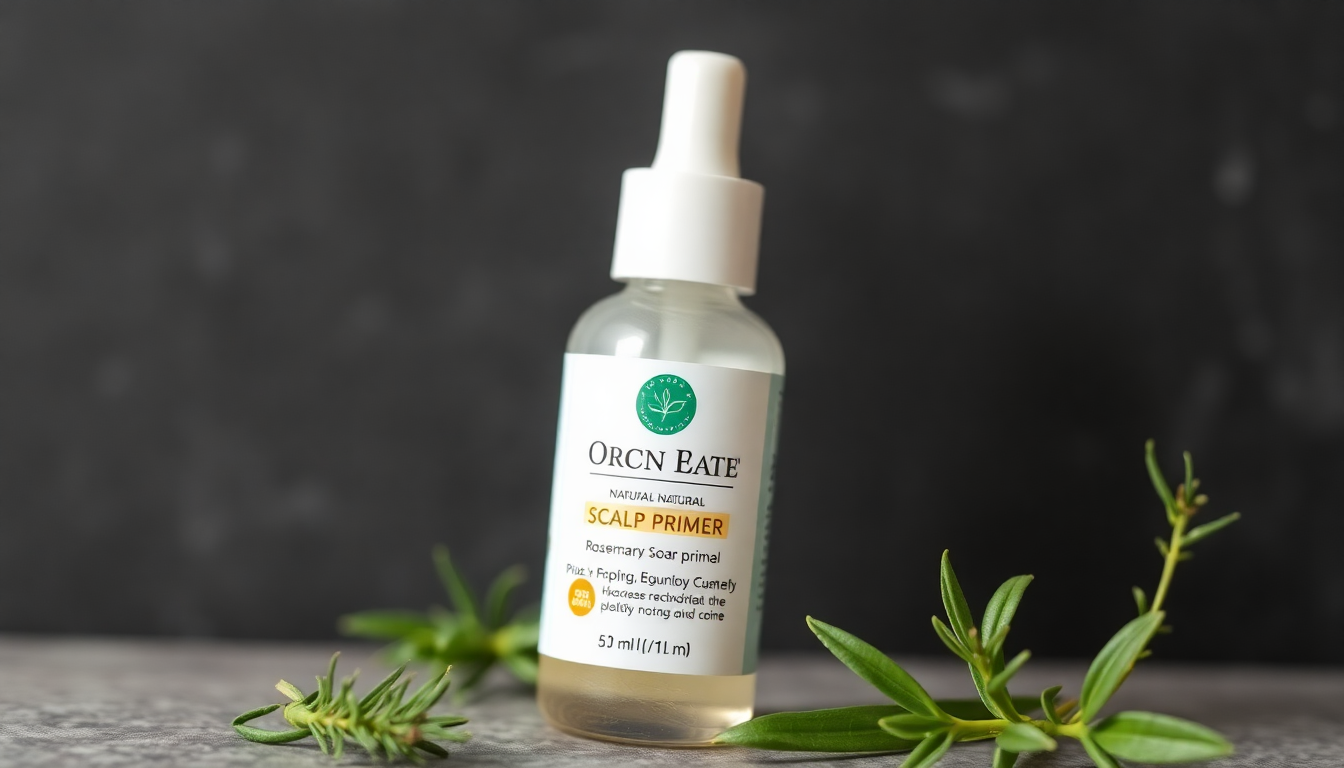
If you prefer ready-made, lab-tested formulations rather than DIY blends, shop brands that transparently list Batana oil, rosemary extracts, and tocopherols. For curated product solutions that pair well with chebe routines, consider exploring offerings at Sevich Collections. Look for items specifically labeled as:
These links point to trusted blends that simplify the primer+chebe routine while offering ingredient transparency and quality control.
Frequently Asked Questions (Expanded)
- Will this primer make my hair greasy? Used correctly—applied primarily to roots and targeted shaft zones and in appropriate quantities—the primer should feel nourishing rather than greasy. Choose lighter blends for finer hair.
- How long before I see results? Visible reduction in breakage and improved chebe retention can appear within 2–8 weeks depending on consistency and baseline hair condition.
- Can I use other essential oils? Yes—lavender, cedarwood, and tea tree can be useful additions for scent and scalp support. Keep total essential oil concentration low and be mindful of sensitivities.
- Is this safe for kids? Use very low essential oil concentrations and consult pediatric guidance for scalp products. Plain Batana with vitamin E is typically safer for younger children.
Conclusion and Call to Action
Integrating a rosemary-activated Batana oil primer with vitamin E into your chebe routine is a practical, evidence-informed way to enhance chebe penetration and reduce wax-induced shedding. The primer creates a compatible lipid environment, supports scalp health, stabilizes oils against oxidation, and helps chebe adhere and perform without creating stiff, damaging layers.
For those who prefer ready-made, high-quality formulations, explore the curated selection at Sevich Collections. Their rosemary-enriched Batana treatments, vitamin E serums, and chebe-compatible products offer an easy path to building a primer-first routine. Visit Sevich Collections to browse products that can help you protect your hair, enhance chebe performance, and minimize wax-related shedding: Shop Sevich Collections.
Remember: consistent, gentle care and informed product choices are the keys to long-term hair resilience. If you have persistent hair loss or scalp symptoms, consult a licensed clinician or trichologist for personalized evaluation.

Laat een reactie achter
Deze site wordt beschermd door hCaptcha en het privacybeleid en de servicevoorwaarden van hCaptcha zijn van toepassing.