
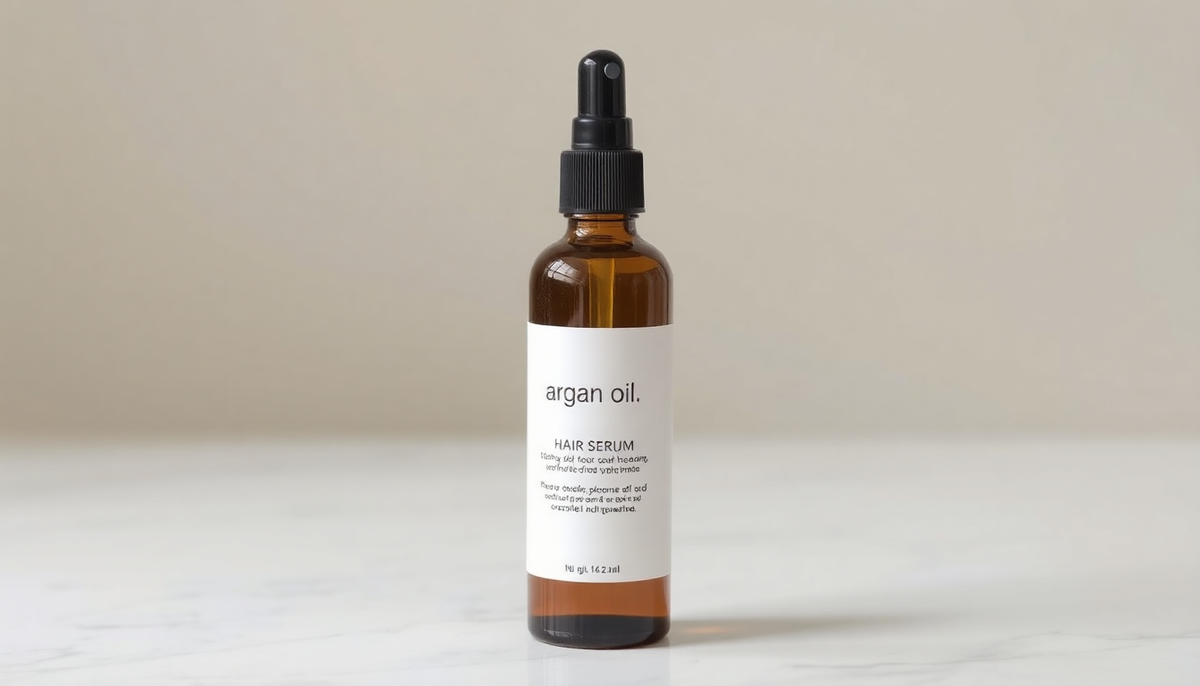
Introduction: Setting the Stage for Superior Hair Hydration in 2026
In 2026, hair care continues to evolve with an emphasis on science-backed hydration, lightweight formulas, and environmental resilience. A high-quality hair serum infused with Moroccan argan oil stands out as a versatile tool for reviving damaged, dull hair. It not only delivers an immediate glossy finish but also reinforces the hair shaft, improves manageability, and protects against daily stressors such as heat styling, pollution, and color processing. This exhaustive guide explores why argan oil serums work, how to choose the best product for your hair type, and how to turn a simple routine into a long-lasting hydration strategy.
What Makes Moroccan Argan Oil a Hydration Powerhouse?
- Rich in essential fatty acids (oleic and linoleic) that help reconstruct and seal the hair cuticle
- High vitamin E content supports moisture retention and adds natural shine
- Lightweight and fast-absorbing when properly formulated, making it suitable for fine to thick hair
- Antioxidants combat environmental damage and reduce oxidative stress on the strand
- Gives a soft slip that improves detangling without leaving a heavy residue
How Argan Oil-Based Serums Differ from Other Treatments
- Carry oils balance with silicones or silicone-free systems to seal the cuticle
- Targeted hydration without weighing hair down, even for fine or oily scalps
- Heat-protection benefits when paired with appropriate styling practices
- Compatibility with color-treated hair due to moisture retention and reduced fade
Key Benefits You Should Expect
- Deep hydration that restores softness and elasticity
- Frizz control and smoother hair texture from roots to tips
- Enhanced shine that looks natural, not greasy
- Improved manageability and reduced breakage with regular use
- Protection against heat styling when used as part of a complete routine
Ingredients to Look For: Beyond Argan Oil
A well-formulated serum blends argan oil with supporting ingredients that optimize performance and stability:
- Primary carrier oil: Moroccan argan oil should be listed near the top of the ingredient list
- Light silicones (e.g., cyclopentasiloxane) or silicone alternatives for slip and cuticle sealing
- Emollients such as squalane or glycerin for lasting moisture
- Botanical oils (jojoba, camellia, or avocado) for layered hydration
- Vitamin E and natural antioxidants for longevity and shine
- Minimal fragrance and colorants to reduce irritation for sensitive scalps
How to Choose the Best Argon Oil Serum for Your Hair Type
- Assess your hair type and needs: dry, damaged, color-treated, or oily?
- Check the texture of the serum: a lightweight, fast-absorbing formula for fine hair; a richer, silkier option for thick or coarse hair
- Look for a balanced blend of nutrients: hydration with humectants, occlusives, and antioxidants
- Consider scalp tolerance: keep an eye on fragrance and potential irritants
- Read reviews about real-results on hair similar to yours and verify claims with credible sources
Step-by-Step Routine: How to Use Hair Serum with Moroccan Argan Oil
- Start with clean, towel-dried hair. Gently blot to remove excess moisture; hair should be damp, not dripping
- Dispense a small amount (pea to dime-sized, depending on length and thickness). You can always add more if needed
- Warm the serum between your palms to activate the oils, then apply from mid-length to ends. Avoid the scalp to prevent buildup
- comb through with a wide-tooth comb to distribute evenly
- Proceed with styling: air-dry for maximum hydration or use a heat tool with a dedicated heat protectant
- For extra protection, use a masking or deep-conditioning treatment 1–2 times weekly in combination with your serum
- On non-wash days, apply a light touch to the ends for ongoing moisture and frizz control
Pairing and Complementary Products for a Complete Routine
- Argan oil shampoo and conditioner: choose a sulfate-free option to preserve natural oils
- Leave-in conditioner or cream for added moisture on dry days
- Hair masks with proteins and humectants for balance between strength and hydration
- UV protection spray or cap to shield hair from sun exposure
- Low-heat styling strategies or air-drying as often as possible to reduce cumulative damage
Common Mistakes to Avoid
- Using too much product, which can weigh hair down or leave a greasy sensation
- Applying serum directly to the scalp, especially if you have an oily scalp or clogged follicles
- Expecting instant miracles without addressing underlying damage or routine gaps
- Neglecting UV and environmental protection in daily routines
Seasonal Care: Hydration Strategies for Every Climate in 2026
- Dry winter air: layer serums with richer moisturizers and seals to maintain humidity
- Summer heat and sun: incorporate UV-protective products and lighter serums to prevent greasiness
- Humidity fluctuations: adjust application amounts and frequency to prevent frizz or limpness
- Air travel: keep a small bottle of serum for mid-flight hydration and protection against recycled cabin air
Scientific Insights: How Argan Oil Works on the Hair Fiber
Argan oil’s long-chain fatty acids and vitamin E work together to replenish lipids that are naturally present in the hair cuticle. The oil creates a protective layer that reduces porosity, making the hair less prone to frizz and breakage. When combined with conditioning agents, it helps to smooth the cuticle, reflect light better, and improve detangling. In practical terms, users experience softer strands, improved elasticity, and a natural-looking sheen.
Who Should Use This Serum?
- Individuals with dry, damaged, or chemically processed hair seeking hydration and repair
- People experiencing dullness or loss of vitality due to environmental exposure
- Those who want a lightweight option that won’t leave hair feeling heavy or greasy
- Anyone looking to extend color life or maintain strand integrity after coloring
FAQ: Common Questions About Morrocan Argan Oil Serums
- Will argan oil serum weigh hair down?
- Quality formulations balance oils with carriers for a weightless feel on most hair types when used correctly.
- Is it suitable for color-treated hair?
- Yes. Properly formulated argan oil serums help seal moisture and reduce color fade by maintaining hydration.
- How often should I use it?
- Typically after wash days or a few times per week, depending on hair dryness and styling needs.
- Can I use it on the scalp?
- Generally best applied to mid-lengths and ends. If you have scalp concerns, choose a product designed for scalp use or consult a dermatologist.
Testimonials and Real-World Results
Across diverse hair types, users report increased softness, reduced frizz, and a noticeable boost in shine after consistent use over several weeks. Many note easier styling and a more resilient feel in hair that previously seemed brittle. While results vary, the consensus points to hydration as the cornerstone of improvements in texture and vitality.
Conclusion: Your Hydration Edge for 2026
In 2026, a well-chosen Hair Serum with Moroccan Argan Oil can serve as the foundation of a robust hydration strategy. By delivering deep moisture, sealing the cuticle, and offering lightweight protection from heat and pollution, argan oil-based serums help transform damaged, dull hair into strands that look healthier, feel smoother, and move with vitality. Pair it with a thoughtful routine, mindful product selection, and protective styling to unlock lasting benefits for your hair in the current year and beyond.


댓글 남기기
이 사이트는 hCaptcha에 의해 보호되며, hCaptcha의 개인 정보 보호 정책 과 서비스 약관 이 적용됩니다.