

Introduction
Batana oil has gained popularity for its rich nutrients and potential hair and skin benefits. With demand rising, so too do counterfeit products and low-quality imitations. This comprehensive guide provides seven expert-verified methods to verify authentic Batana oil in 2026, along with expanded insights on its sourcing, usage, storage, and how to shop ethically. Whether you are a first-time buyer or a seasoned enthusiast, you’ll finish with practical, actionable steps to shop confidently and avoid wasted money or potential adverse effects on your hair and skin.
What is Batana Oil?
Batana oil is a traditional beauty oil derived from the fruit of the Batana palm, closely associated with Elaeis oleifera varieties and Central American biodiversity. Indigenous communities, particularly in Honduras, have long used it for moisturizing, sealing, and nourishing hair and skin. Authentic Batana oil is often produced in small, artisanal batches, reflecting traditional methods and community stewardship. The oil’s aroma, texture, and depth of color are influenced by its origin, harvest timing, and processing techniques.
Why Authenticity Matters
Not all Batana oils are created equal. Some products are diluted with cheaper carriers, coerced with synthetic fragrances, or blended with other oils that dilute benefits. Genuine Batana oil tends to be pure, with a distinctive aroma, a rich texture, and a natural golden to amber hue. Verifying authenticity protects you from misinformation, ensures you receive the expected performance, and supports communities that sustainably harvest and produce the product. It also helps safeguard biodiversity and fair-trade practices that sustain traditional livelihoods.
Key Benefits You Should Expect from Authentic Batana Oil
- Deep hydration for hair and scalp, reducing dryness and frizz
- Sealing in moisture to improve manageability and shine
- Potential skin barriers support, aiding in softness and suppleness
- Rich in fatty acids and antioxidants that nourish without clogging pores
7 Expert-Verified Ways to Authenticate Authentic Batana Oil
-
Check the Bottling Information and Origin Labels
Look for clear origin details on the label, including country of production and, if possible, community or cooperative information. Genuine products often list where the oil was sourced and bottled, not just a generic label. Seek batch codes that can be traced back to a production run.
-
Examine the Color, Texture, and Aroma
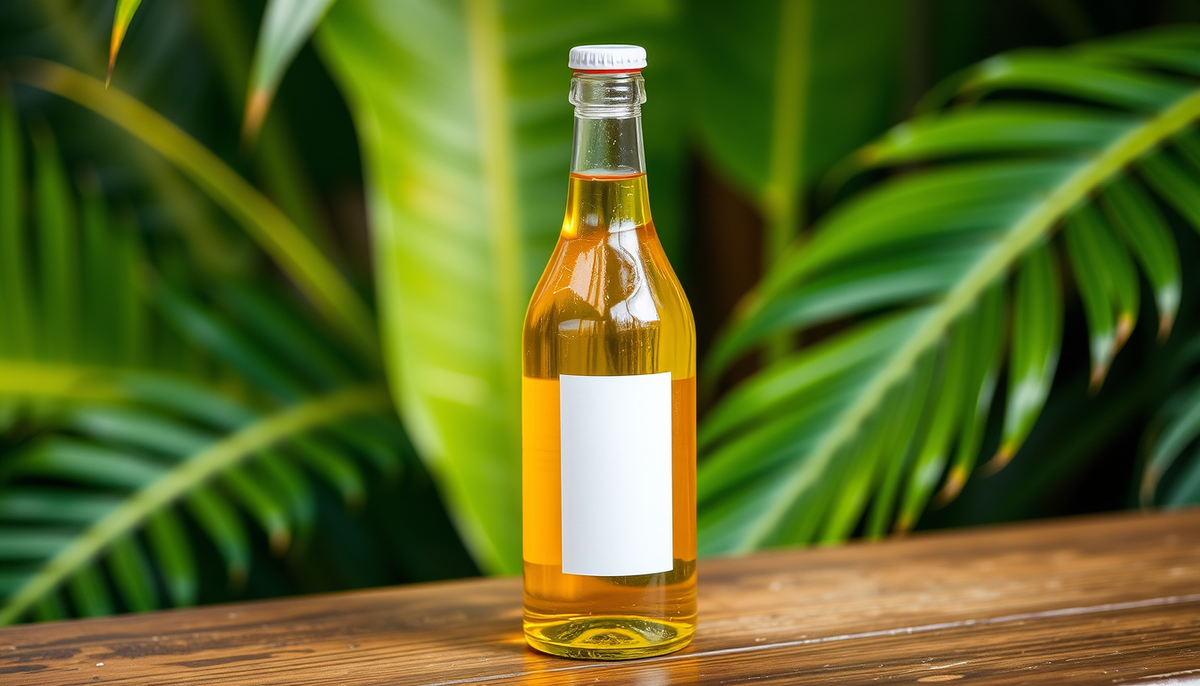
Batana oil typically ranges from golden to amber and presents a rich, nutty aroma. It should feel smooth and not too viscous. If the oil is unnaturally pale, overly clear, or has a chemical or gasoline-like scent, it may be diluted or adulterated.
-
Inspect the Ingredient List for Purity
Read the full ingredient list. Authentic Batana oil should be listed as 100% Batana Oil or Batana Oil with minimal, natural additives. Avoid products with lengthy ingredient lists, fillers, or unidentified components. Be wary of vague terms like “fragrance” without listing the actual compounds.
-
Check for Certifications and Ethical Labels
Look for fair-trade, organic, or community-certification marks. While not all authentic Batana oils carry formal certification, legitimate products often feature credible third-party labels or provenance information that can be verified through the issuer or origin community.
-
Research the Seller’s Story and Sourcing
Trustworthy sellers share the sourcing story, harvesting practices, and the communities involved. Look for transparency about how the oil is produced, who harvests it, and how profits are distributed. A strong seller will provide contactable references and clear contact information.
-
Conduct a Simple pH and Purity Check at Home
While at-home checks cannot replace lab testing, you can perform basic sensory checks: scent, color, and viscosity. If available, some reputable brands provide COA (Certificate of Analysis) references that you can cross-verify with an independent lab. Any suspicion of solvents or residues should prompt discontinuation and return.
-
Request a Sample or Documentation
Ask the seller for a sample or documentation such as a COA or an invoice showing the batch number. A credible supplier should provide traceable data for the product and be willing to share production practices, harvest methods, and cooperative information.
How to Verify a COA and Lab Data
A COA (Certificate of Analysis) is your best ally for authentication. Look for:
- Batch number and production date
- GMO status, heavy metals, pesticide residues (if tested)
- Fatty acid profile and peroxide value
- Analytical lab name and accreditation
Cross-check the COA with the seller’s batch documentation and ensure the lab is a credible third party. If the COA lists properties that match your expectations for Batana oil, that’s a strong signal of authenticity.
How to Store Batana Oil for Longevity
Store Batana oil in a cool, dark place away from direct sunlight. Keep the bottle tightly sealed to prevent oxidation, which can alter color, aroma, and effectiveness. Dark glass or high-grade amber bottles help protect the oil. Some enthusiasts refrigerate small amounts to preserve freshness, but this is optional depending on climate and storage conditions.
How to Use Batana Oil Effectively
To maximize benefits, use Batana oil as a pre-wash moisture seal, a post-wash shine booster, or a scalp hydrator. Start with a small amount (a few drops) and adjust based on hair type and skin tolerance. For skin, apply a thin layer to clean, damp skin to improve absorption. Always patch-test new products before full use.
Where to Buy Authentic Batana Oil
Purchase from reputable retailers with transparent provenance, community-supported sourcing, and clear labeling. Avoid ultra-cheap options with vague origin information. Favor sellers who publish batch numbers, COA reports, and who respond promptly to authenticity questions. Consider supporting cooperatives or brands that share social impact details and donation practices toward Batana-harvesting communities.
Comparisons: Authentic Batana Oil vs Common Counterfeits
- 100% Batana Oil vs Blended Oils: Pure Batana oil should be the baseline; blends often exhibit altered aroma and texture.
- Natural Fragrance vs Synthetic Scents: Authentic oil has a natural, nutty aroma; overpowering artificial scents are a red flag.
- Proper Labeling vs Ambiguous Branding: Clear origin, batch codes, and producer information indicate legitimacy.
Ethics and Sustainability
Choosing authentic Batana oil supports Indigenous communities and sustainable harvesting practices. Look for brands that disclose community partnerships, fair compensation, and conservation commitments. Ethical sourcing helps preserve biodiversity and traditional knowledge for future generations.
Common Scams to Watch For
- Blended Oils: Oils diluted with cheaper carriers or adulterants.
- Misleading Branding: Labels claiming authenticity while sourcing from unrelated regions.
- Poor Packaging: Inconsistent labeling, misspellings, or unsealed containers.
- Fake Certifications: Unverifiable or counterfeit certificates of analysis.
Frequently Asked Questions (FAQ)
- Is Batana oil safe for hair and skin?
- When pure and authentic, Batana oil is generally well-tolerated and can moisturize hair and skin. Always patch-test first and discontinue if irritation occurs.
- Can I use Batana oil every day?
- Yes, many users incorporate Batana oil into their routine a few times per week or as needed. Start with small amounts to gauge tolerance and results.
- How can I verify a COA for Batana oil?
- Ask the seller for the batch number and a COA from a credible independent lab. Compare the reported properties and purity with what you expect from authentic Batana oil.
- What should I do if the product fails an authenticity check?
- Contact the seller for a return or replacement, request a COA for the batch, and consider reporting to consumer protection or a relevant fair-trade body if fraud is suspected.
Conclusion
Authenticating Batana oil is a multi-layer process that blends label scrutiny, sensory evaluation, and verifiable documentation. By following these expanded expert-verified steps—and by prioritizing ethical sourcing and transparent brands—you can confidently distinguish real Batana oil from fakes in 2026. Your purchases support traditional communities, promote sustainable harvesting, and help preserve an ancient beauty tradition for years to come.


댓글 남기기
이 사이트는 hCaptcha에 의해 보호되며, hCaptcha의 개인 정보 보호 정책 과 서비스 약관 이 적용됩니다.