
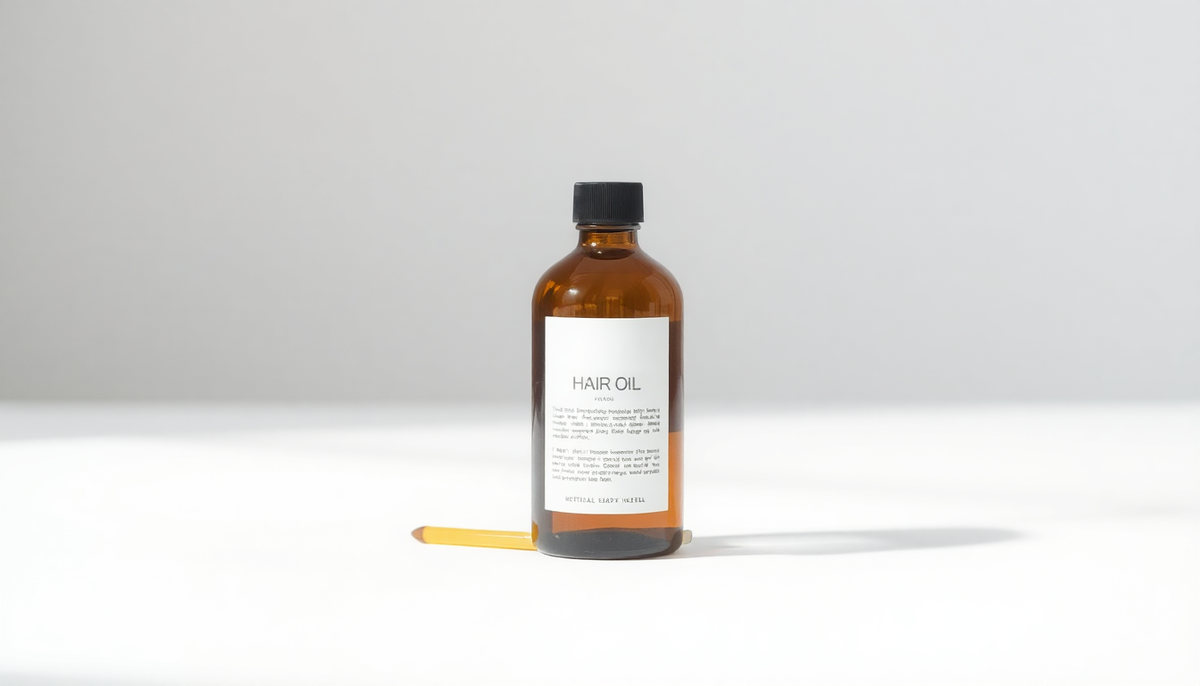
Batana oil has surged in popularity as a natural hair and skin enhancer, with many brands claiming transformative results. In this Dr. Truth Batana Oil Review, we sift through the hype to provide a clear, evidence-based look at its benefits, uses, and what actually works in 2026.
What is Batana Oil?
Batana oil is extracted from the Oliniella coromandelica tree, native to parts of Central America and the Caribbean. It is celebrated for its nourishing fatty acids, including oleic and linoleic acids, and a balanced blend of vitamins and antioxidants. Proponents say it can moisturize, strengthen, and protect hair and skin, making it a versatile natural product.
Historical Context and Cultural Significance
Batana oil has deep roots in indigenous and Afro-Caribbean communities where it has been used for generations to condition hair and protect skin from tropical climates. This cultural heritage informs today’s market, where authentic sourcing and fair-trade practices matter to consumers seeking both efficacy and ethics.
Key Benefits Often Attributed to Batana Oil
- Deep hydration and moisture retention for dry, frizzy hair
- Improved hair elasticity and reduced breakage
- Shine enhancement and smoother hair texture
- Skin hydration and potential soothing effects for irritated skin
- Antioxidant properties that may combat environmental stressors
What Really Works: Evidence and Practical Results
While anecdotal reports are plentiful, robust clinical data on Batana oil’s efficacy is limited. Here’s what you can reasonably expect based on current evidence and user reports:
- Hair: Many users notice improved manageability and a healthier appearance after regular use. Results are typically gradual and most noticeable after consistent conditioning or oiling routines.
- Skin: Batana oil can help with mild dryness and may provide a barrier against moisture loss. It is generally well-tolerated, though individuals with sensitive skin should patch test first.
- Scalp: For some, batana oil can help soften scalp flaking when used as a pre-wash treatment or scalp massage oil. Avoid heavy application on oily scalps, which may lead to buildup.
Chemical Profile and Mechanisms of Action
Batana oil is rich in oleic and linoleic acids, plus tocopherols (vitamin E) and phytosterols. These components contribute to barrier repair, lipid replenishment, and anti-inflammatory effects on skin and scalp. While not a miracle cure, the oil’s fatty acid profile supports improved moisture retention and shine without excessive occlusion for many users.
How to Use Batana Oil for Best Results
- Choose a high-quality, pure batana oil or a blend with minimal additives.
- Patch test on skin to ensure no irritation.
- For hair: apply a small amount to mid-lengths and ends, leave for 15–60 minutes, then wash as usual. For a deeper treatment, leave overnight with a protective cap.
- For skin: use a pea-sized amount on dry areas, or mix with a carrier oil for broader application.
- Frequency: 1–3 times per week for hair, 2–3 times daily or as needed for skin depending on dryness.
Choosing the Right Batana Oil Product in 2026
- Look for 100% pure batana oil without fillers or synthetic fragrances.
- Check for cold-pressed or solvent-free extraction to preserve nutrients.
- Read labels for origin and batch information to ensure authenticity.
- Consider packaging that protects from light and air to maintain quality.
Ethical Sourcing and Sustainability
When purchasing batana oil, consider brands that disclose sourcing practices, support fair-trade partnerships, and invest in community livelihoods. Transparent supply chains help ensure biodiversity protection and fair compensation for harvesters.
Potential Side Effects and Considerations
Batana oil is generally well-tolerated, but it may cause irritation in a small subset of users or trigger breakouts if applied excessively on the skin. Always perform a patch test 24 hours prior to full use. If you have nut or seed allergies, verify the oil’s sourcing and cross-contamination risks.
Who Should Avoid Batana Oil?
Individuals with an allergy to similar nuts or seeds, or those with very oily hair/scalp may prefer limited use or blends with lighter oils. Pregnant or breastfeeding individuals should consult a healthcare professional before introducing new topical oils into their routine.
Comparison with Other Natural Oils
- Argan oil: Similar in moisturizing properties, but batana oil may be less occlusive in some formulations.
- Coconut oil: Great for sealing moisture but can be heavy for fine hair; Batana can be lighter for some users.
- Jojoba oil: Closely resembles skin’s natural oils and can be a good carrier for batana oil.
- Shea butter: Excellent occlusive for ultra-dry skin but may feel greasy on hair; batana can be more versatile in emulsions.
DIY Tips: Integrating Batana Oil into Your Routine
- Hair masks: Mix batana oil with honey, yogurt, or aloe for moisturizing masks.
- Scalp care: Use a light amount for scalp massages to reduce dryness and promote blood flow.
- Skin care: Combine with a moisturizer for a barrier-enhancing finish, especially in dry climates.
- Hair styling: Use a tiny amount to tame flyaways and add shine without weighing hair down.
Advanced Use: Formulations and Blends
For formulators and enthusiasts, batana oil can be blended with other carrier oils (e.g., argan, jojoba) to tailor viscosity and absorption. In larger skincare or haircare products, batana oil is often used as a secondary emollient to boost hydration without overpowering fragrance or texture.
Pricing Tiers and Value Assessment
Prices vary by origin, purity, and packaging. In 2026, expect mid-range pure batana oil to range from moderate to premium. Value often comes from the purity of extraction, batch consistency, and ethical sourcing rather than sheer volume on the bottle.
Frequently Asked Questions
- Is batana oil good for all hair types?
- Most hair types can benefit, though very fine or oily hair may respond best to lighter usage or blending with lighter oils.
- Can batana oil clog pores?
- Used sparingly, it should not clog pores, but excessive application on facial skin could contribute to breakouts for some individuals.
- How long does it take to see results?
- Visible improvements in moisture and manageability may appear after a few wash cycles, with fuller effects over several weeks of consistent use.
- How do I patch test batana oil?
- Apply a small amount to a discreet area of skin (inner forearm) for 24 hours and monitor for redness, itching, or irritation.
Customer Feedback and Real-Life Stories
Authentic user experiences often highlight gradual improvements in moisture retention and reduced frizz. Some users report enhanced color vibrancy and easier detangling after consistent use. Monitor expectations, as results are highly individual and depend on hair type, climate, and product formulation.
Seasonal Skincare: Adapting Batana Oil Use by Climate
In dry, colder months, batana oil can serve as a robust barrier to prevent transepidermal water loss. In humid climates, it’s best to apply sparingly to avoid a heavier feel. Adjust frequency and quantity to match humidity and indoor heating conditions.
Safety and Regulatory Considerations
Regulatory standards for natural oils vary by region. Consumers should look for products with clear ingredient lists, batch codes, and, when possible, third-party testing or certifications. If you experience adverse reactions, discontinue use and consult a professional.
Bottom Line: Is It Worth Adding to Your Routine?
Dr. Truth Batana Oil can be a valuable addition to a natural beauty toolkit, especially for those seeking deeper hydration and smoother texture for hair and skin. For best results in 2026, prioritize high-quality, pure formulations, apply with a light touch, and manage expectations by recognizing that results vary by individual hair type and skin condition.
What I’d Like to See in Future Research
- Well-designed clinical studies evaluating hair growth, scalp health, and skin hydration with batana oil.
- Standardized measurements of nutrient retention after topical application.
- Long-term safety data, especially for sensitive skin users.
Final Verdict
When sourced responsibly and used thoughtfully, batana oil can be a versatile, natural addition to hair and skincare routines. It is not a guaranteed miracle product, but its nourishing fatty acids and antioxidant profile offer tangible benefits for those seeking moisture, shine, and protective barrier support. Always start with patch testing, prefer pure formulations, and tailor usage to your hair type, skin condition, and climate.


Commenta
Questo sito è protetto da hCaptcha e applica le Norme sulla privacy e i Termini di servizio di hCaptcha.