
Introduction: A Modern Grooming Ritual for Men
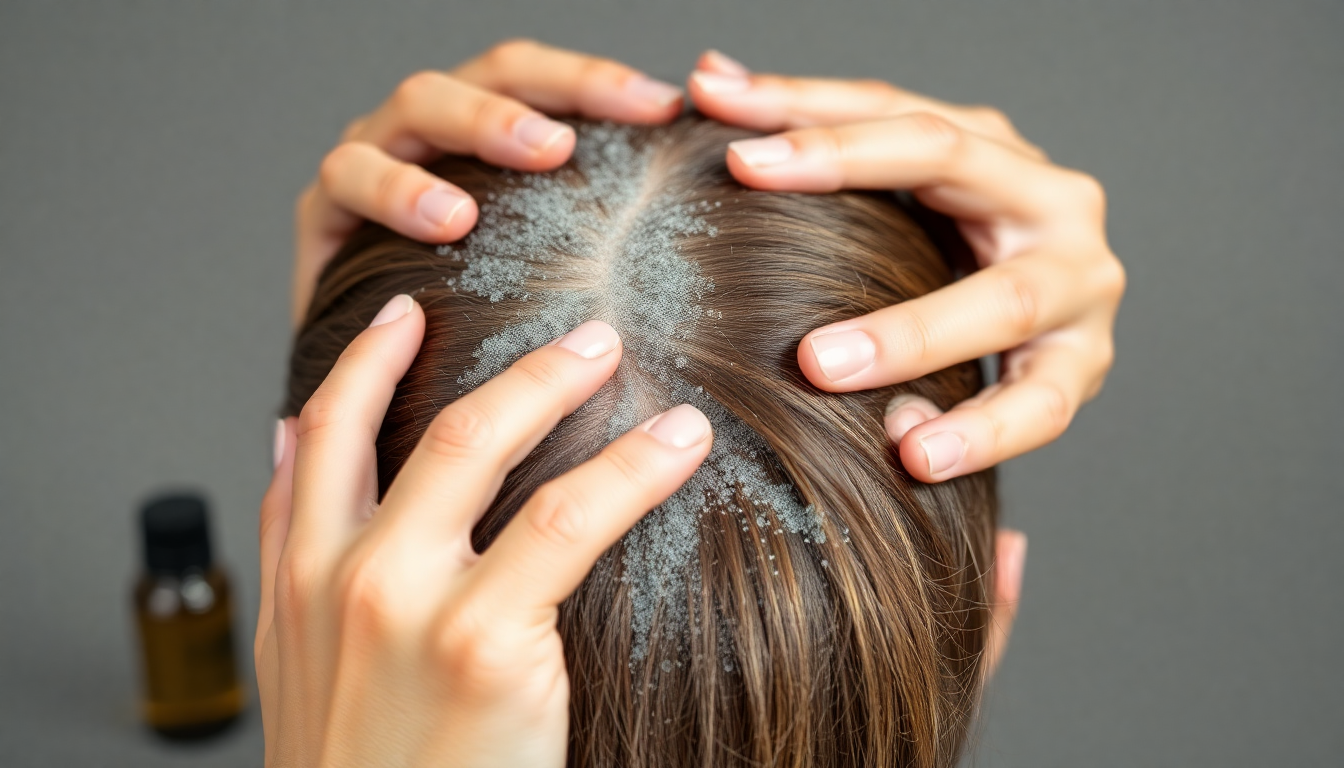
For men who value efficient grooming and real results, the combination of lymphatic scalp drainage with a rosemary‑infused Batana oil and vitamin E is a practical, evidence‑based ritual to improve scalp health. This approach addresses a common but under‑discussed problem—waxy buildup and sebum congestion—that can limit topical product absorption, aggravate shedding, and impede the benefits of traditional treatments such as Chebe. In this long, detailed guide you'll find the science behind the method, step‑by‑step instructions, troubleshooting, variations for different hair types, and SEO‑friendly product recommendations (including where to buy quality oils and complementary hair growth products).
Quick Overview: What This Routine Does
- Loosens waxy buildup, styling product residue, and hard water deposits that block follicles.
- Supports lymphatic flow to reduce localized congestion and improve scalp microenvironment.
- Softens and conditions with Batana oil while rosemary and vitamin E support scalp comfort and oil stability.
- Prepares the scalp so Chebe and other topical treatments penetrate more effectively.
Anatomy & Physiology: Why Lymphatic Drainage Helps the Scalp
The lymphatic system is a one‑way drainage network that clears waste, excess interstitial fluid, and immune cells from tissues. The scalp has a rich blood supply and a network of lymph vessels that drain toward nodes behind the ears and along the neck. When surface debris, sebum and product accumulate, they can create micro‑blockages and a mild inflammatory environment. Gentle lymphatic massage encourages movement of interstitial fluid and helps clear superficial congestion—making the scalp more receptive to topical actives like Chebe paste and botanical oils.
Key Ingredients Explained
- Batana oil: A nourishing oil extracted traditionally from the American palm species used by indigenous communities. It contains fatty acids and lipids that help condition hair, seal moisture, and soften hardened deposits on the scalp.
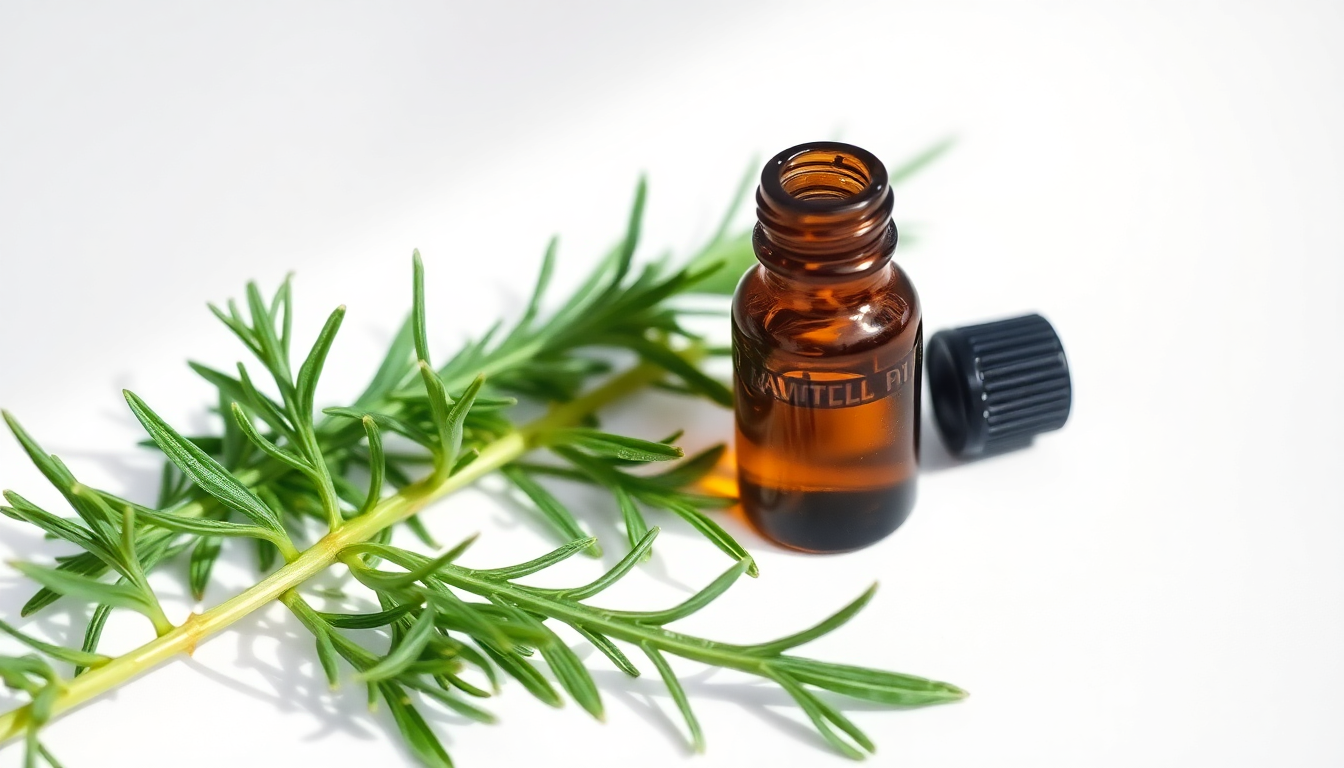
- Rosemary: Historically used for scalp health, rosemary essential oil or infusion improves scalp comfort and may support circulation. Use in diluted form; avoid undiluted essential oil on sensitive skin.
- Vitamin E: Acts as an antioxidant to stabilize the oil and offers mild skin conditioning. Helps extend shelf life of home infusions.
- Chebe: A traditional North African hair mixture (powder or paste) used to strengthen hair. It's often applied to hair shaft and roots; proper scalp prep improves its effectiveness.
How Waxy Buildup Forms in Men
Men often use heavier pomades, waxes, and oil‑based products. Combined with slower cleansing habits or hard water minerals, these can leave film and deposits. Over time, buildup sits on the scalp and around follicular openings—creating a physical barrier that reduces topical absorption and can trap irritants that encourage shedding.
Equipment and Ingredients Checklist
- High‑quality Batana oil (or equivalent nourishing carrier oil)
- Dried rosemary or rosemary essential oil (diluted)
- Vitamin E oil or capsules
- Clean jar and dark glass storage bottle
- Soft towels, warm water, clarifying shampoo (sulfate‑free if preferred)
- Wide‑tooth comb, spray bottle for warm water, and a mirror
- Optional: Chebe powder/paste and other hair growth products
DIY: Rosemary‑Infused Batana Oil + Vitamin E — Full Recipe
This recipe makes about 100–150 ml of infusion and is easy to scale.
- Ingredients:
- 100 ml Batana oil
- 1–2 tbsp dried rosemary (or 8–12 drops rosemary essential oil)
- 1 vitamin E capsule (or 5–10 drops liquid vitamin E)
- Method:
- Place the Batana oil and dried rosemary in a clean glass jar. If using essential oil, wait to add it after the cooling step.
- Warm the jar in a double boiler for 30–45 minutes on low to speed the infusion. Alternatively, seal and store in a warm, dark place for 2–4 weeks, shaking daily.
- After infusion, strain through a fine mesh or cheesecloth to remove solids. Let cool to room temperature, add vitamin E and (if desired) up to 10 drops rosemary essential oil for potency.
- Transfer to a dark glass bottle and label with date. Store in a cool, dry place and use within 6–9 months.
Step‑by‑Step Lymphatic Scalp Drainage Protocol (Detailed)
Set aside 15–30 minutes for a full session. Consistency—done 1–3 times per week—is more important than one intense session.
- Step 1 – Precleanse (5–10 minutes): Wet hair with warm (not hot) water. If using a clarifying shampoo, apply it gently to loosen surface residue. Rinse and towel to dampness. Damp hair transmits warmth and lets oil disperse better.
- Step 2 – Oil application (2–4 minutes): Warm 5–15 ml of the infused Batana oil in your hands. Apply in small amounts to the scalp, focusing on areas with visible buildup, the hairline, crown, and temples. Less is more—start small and add if needed.
- Step 3 – Neck & base stimulation (1–2 minutes): Begin at the base of the skull and upper neck. Using flat fingertips, perform gentle compressions and light strokes toward the collarbone. This encourages drainage toward the lymph nodes.
- Step 4 – Ear‑to‑ear sweeps (3–5 minutes): Using the pads of your fingers, sweep from the hairline back toward the ears, and then down to the base of the neck. Repeat each sweep 6–10 times. Maintain light pressure; movements should be slow and rhythmic.
- Step 5 – Quadrant drainage (5–8 minutes): Divide the scalp into four zones: front left, front right, back left, back right. In each zone, perform slow strokes and circular effleurage moving toward the posterior lymph nodes. Work each zone for 1–2 minutes.
- Step 6 – Focal dislodging (2–4 minutes): On congested areas, use small circular pressure with the finger pads to help lift softened debris from follicular openings. Never scratch or use nails—only pads of fingers.
- Step 7 – Finishing sweeps & collection (1–2 minutes): Finish with long, gentle sweeps from front to back, collecting moved oils and debris toward the neck. Wipe or blot with a warm towel if there is excess oil.
- Step 8 – Final cleanse: Wash with a clarifying shampoo and rinse thoroughly. If you plan to apply Chebe or another treatment, dry hair according to the product instructions and proceed.
Weekly and Monthly Routine Plan
- Week 1–4 (Initial Reset): Perform the full protocol twice weekly. Use a clarifying shampoo once per week and a mild shampoo in between as needed.
- Month 2–3 (Maintenance): Reduce to 1–2 sessions per week based on scalp response. Apply Chebe treatments as directed after drainage sessions to maximize absorption.
- Ongoing: Maintain 1 session per week for general upkeep, increasing if you use heavy styling products often or notice residue returning.
Integrating Chebe and Other Topicals
To get the most from Chebe and other growth-focused products:
- Always perform lymphatic drainage and a cleansing rinse before applying Chebe to maximize contact with the scalp and hair shaft.
- If using Chebe paste on scalp areas, ensure the paste is mixed with a carrier oil (a small amount of the rosemary Batana infusion blends well) so the treatment spreads evenly.
- Leave Chebe on according to traditional timing—some prefer overnight or longer occlusion—but follow safety and hygiene practices if leaving treatments on for extended periods.
Variations for Different Hair Types and Styles
- Short hair and buzzcuts: Use lighter oil amounts and shorter strokes. The technique is particularly effective for men with short styles since the scalp is more exposed to buildup.
- Curly and coily hair: Focus oil application at the roots and use a wide‑tooth comb to distribute. Avoid over‑rubbing the hair shaft to prevent frizz.
- Thick, dense hair: Work in sections and use a spray bottle of warm water to help distribute oil. Be patient—thicker hair requires longer work time per quadrant.
- Hair with chemical treatments: Be cautious; test a small area first. Consult your stylist if hair has been chemically processed recently.
Troubleshooting & Common Questions
- My scalp feels more oily after sessions. Is that normal? Yes—initial sessions can mobilize deeper oils and sebum. A clarifying wash after the massage usually restores balance.
- I still see white flakes after weeks of drainage. What next? Persistent flakes may be dandruff, seborrheic dermatitis, or product residue needing medicated shampoos. See a dermatologist for diagnosis and tailored treatment.
- Can I do drainage every day? Daily is unnecessary and may irritate the scalp. Stick to 1–3 times weekly unless directed otherwise by a professional.
- Is it safe with hair loss treatments like minoxidil? Generally yes, but apply topical medications as recommended by product instructions and consult a physician if unsure.
Safety, Contraindications and When to Seek Medical Advice
- Avoid lymphatic drainage on open cuts, inflamed scalp areas, infections, or active psoriasis plaques until cleared by a clinician.
- If you have blood clotting disorders, active cancer, or are on anticoagulant medication, consult your doctor before starting any new massage regimen.
- Stop immediately if you experience sharp pain, sustained increased shedding, or signs of infection (redness, warmth, pus), and seek medical attention.
How to Track Progress for SEO‑Friendly Content (and Personal Results)
Many readers and search engines value documented progress. Track your results to create authentic content or to simply evaluate the routine:
- Take clear photos in consistent lighting and angles weekly.
- Record shedding counts after combing into a simple log (e.g., number of hairs on your brush after a standardized 60‑second comb).
- Note product changes, diet, stress levels, and sleep—these all affect hair health.
- Keep a scalp comfort diary (itching, oiliness, flaking) to correlate with frequency and products used.
Product Recommendations and Where to Buy
High‑quality ingredients make a difference. If you prefer ready‑made options or want to purchase curated blends of Batana and rosemary oil, consider trusted sellers of natural hair oils and hair growth products. For curated selections of Batana oil, rosemary hair oil, Chebe ready‑to‑use pastes and complementary hair growth products, visit Sevich Collections. They stock natural oils and blends designed for targeted scalp care and better topical absorption.
Case Example: A 12‑Week User Journey
Week 0: Initial assessment—heavy product residue and daily shedding noted. Cleared with two clarifying washes and started drainage twice weekly.
Week 4: Visible reduction in surface residue; hair feels softer and cleaner between washes. Started applying Chebe after drainage sessions.
Week 8: Noticeable reduction in daily shedding counts, improved scalp comfort, and Chebe absorption felt more even. Photos show healthier scalp sheen.
Week 12: Maintenance plan established—once weekly drainage, monthly deep clarifying wash, ongoing use of rosemary‑infused Batana oil as needed. Continued improvements expected with longer adherence.
Optimizing Your Blog Post for SEO (If You're Publishing This Content)
- Use the target keyword phrase "Lymphatic Scalp Drainage for Men" in your title tag, first H1/H2, and in the first 100 words.
- Include related long‑tail keywords naturally across sections: "rosemary hair oil for men", "Batana oil benefits", "how to reduce shedding men", "Chebe absorption", and "clear wax buildup scalp".
- Use descriptive alt text for any images (e.g., "applying rosemary infused Batana oil to scalp").
- Include internal links to related posts (hair care, batana oil, Chebe treatment guides) and sponsored backlinks on strategic anchors like "rosemary hair oil", "Batana oil", "Chebe" and "hair growth products" that point to trustworthy vendor pages such as Sevich Collections.
- Publish a concise meta description that includes the primary keywords and a compelling CTA to encourage clicks.
Frequently Asked Questions — Expanded
-
Q: How long before I stop seeing excess shedding?
A: Some will notice fewer loose hairs in 4–8 weeks; a meaningful reduction in chronic shedding usually shows by 12 weeks when combined with consistent product use and lifestyle support. -
Q: Can this routine replace a dermatologist visit?
A: No. This is a supportive grooming routine. See a dermatologist for sudden, patchy, or severe hair loss, scalp pain, or signs of infection. -
Q: Will Batana oil clog my pores?
A: Batana is rich but generally well tolerated when used in moderation and followed by a clarifying wash. Use small amounts and avoid daily heavy application. -
Q: Is it safe to use if I color or chemically treat my hair?
A: Usually yes, but test a small area and consult your stylist for compatibility with recent chemical processes.
Final Thoughts and Where to Start
Lymphatic scalp drainage combined with a rosemary‑infused Batana oil and vitamin E is a practical, low‑risk approach to clear wax buildup, reduce shedding and enhance the absorption of Chebe and other topical treatments. Men with busy routines can gain outsized benefits from a simple weekly ritual that cleans, conditions, and improves scalp circulation.
Where to Buy Quality Oils and Ready‑Made Blends
If you want to skip DIY and purchase high‑quality Batana oil, rosemary blends and complementary hair growth products, consider browsing trusted collections from specialists. For curated options that support lymphatic scalp drainage, reduce wax buildup, and boost topical absorption, visit Sevich Collections. Their selection of natural hair oils, Chebe preparations, and hair growth products makes it easy to start a professional‑grade routine at home.
Call to Action
Ready to try the rosemary‑infused Batana oil method? Explore premium Batana oil, rosemary hair oil blends, and Chebe products to get started—shop now at Sevich Collections and choose the supplies that fit your hair type and goals.
Disclaimer
The information in this article is educational and not a substitute for professional medical advice. For persistent scalp conditions, sudden hair loss, or signs of infection, consult a licensed healthcare provider.

Leave a comment
This site is protected by hCaptcha and the hCaptcha Privacy Policy and Terms of Service apply.