

Introduction
As we step into 2026, the beauty industry continues to evolve, emphasizing sustainability, natural ingredients, and holistic health. Among these trends, the pursuit of naturally healthy hair using whole foods has gained immense popularity. This comprehensive guide delves into the science behind nourishing your hair from within, offering detailed insights, meal plans, lifestyle tips, and product recommendations designed to help you achieve luxurious, vibrant hair through the power of whole foods. Whether you're battling dullness, hair thinning, or simply want to maintain a radiant glow, this article provides everything you need to transform your hair care routine into a nourishing, health-boosting experience.
Why Whole Foods Are Critical for Hair Health
Whole foods are foods that are minimally processed, rich in nutrients, and free from artificial additives. They provide the fundamental building blocks necessary for the growth, strength, and shine of your hair. Unlike synthetic or chemical-laden products, consuming whole foods ensures that your hair receives bioavailable nutrients, which enhance natural hair resilience, prevent breakage, and promote rapid growth. In 2026, the shift toward plant-based, nutrient-enriched diets underscores the importance of whole foods in achieving overall health—from skin to hair and beyond.
Understanding the Key Nutrients for Hair
Your hair's health depends on a delicate balance of essential nutrients. Here's a comprehensive overview of the vital vitamins and minerals that support hair vitality:
- Biotin (Vitamin B7): Stimulates keratin production, vital for strong, thick hair.
- Vitamin E: Acts as an antioxidant, protecting hair follicles from oxidative stress.
- Omega-3 Fatty Acids: Nourish hair follicles, reduce inflammation, and add shine.
- Zinc: Supports tissue repair and maintains oil glands around hair follicles.
- Iron: Ensures adequate oxygen delivery to roots, preventing hair loss due to anemia.
- Protein: Forms the structural component of hair, comprising keratin and other proteins.
- Vitamin C: Aids collagen synthesis, essential for hair strength and elasticity.
- Antioxidants: Protect hair cells from environmental damage caused by pollution and UV radiation.
The Role of Whole Foods in Hair Nourishment in 2026
In 2026, leveraging the power of whole foods means focusing on nutrient-dense options that support hair health internally, leading to external beauty. This shift is driven by scientific research confirming that dietary habits directly influence hair growth cycles, texture, and volume. Incorporating these foods into your daily routine can prevent deficiencies that cause brittle hair, thinning, and dullness.
Top Whole Foods for Naturally Healthy Hair in 2026
Below is an expanded list of the most effective whole foods to include in your diet for optimal hair health:
- Avocados: Rich in monounsaturated fats and vitamin E, they support scalp health and moisture retention.
- Nuts and Seeds: Almonds, walnuts, chia seeds, and flaxseeds are packed with omega-3s, biotin, zinc, and antioxidants.
- Eggs: A high-quality source of protein, biotin, and other vital nutrients for hair regeneration.
- Leafy Greens: Spinach, kale, and collard greens provide iron, vitamin C, and antioxidants that boost collagen and prevent hair loss.
- Sweet Potatoes: Contain beta-carotene, which the body converts into vitamin A, essential for sebum production and scalp health.
- Fatty Fish: Salmon, mackerel, and sardines deliver omega-3 fatty acids that promote scalp circulation and prevent dryness.
- Berries: Blueberries, strawberries, and raspberries are high in vitamin C, enhancing collagen synthesis for hair strength.
- Legumes: Lentils, chickpeas, and beans provide protein, zinc, and iron, critical for hair tissue growth.
- Whole Grains: Quinoa, brown rice, and oats supply biotin, B vitamins, and fiber supporting overall health.
- Carrots: Rich in beta-carotene, improving scalp health and promoting a natural shine.
Incorporating Whole Foods into Your Daily Hair Care Routine
Achieving peak hair health in 2026 involves not just eating the right foods but also integrating them seamlessly into your lifestyle:
- Breakfast Ideas: Quinoa porridge topped with berries and chia seeds or scrambled eggs with spinach and avocado.
- Lunch Options: Grilled salmon salad with mixed greens, cherry tomatoes, and a lemon-olive oil dressing.
- Snacks: A handful of mixed nuts, fresh fruit, or veggie sticks with hummus.
- Dinner: Lentil stew with sweet potatoes, kale, and a side of brown rice.
- Prime Beauty Boost: Green smoothie with spinach, banana, blueberries, and flaxseed or chia seeds.
Complementary Skin and Hair Care Practices
While nutrition is paramount, external care enhances results:
- Use sulfate-free, organic shampoos and conditioners that do not strip natural oils.
- Regular scalp massages stimulate circulation and encourage nutrient delivery to hair follicles.
- Limit the use of heat styling tools; embrace air drying and protective hairstyles.
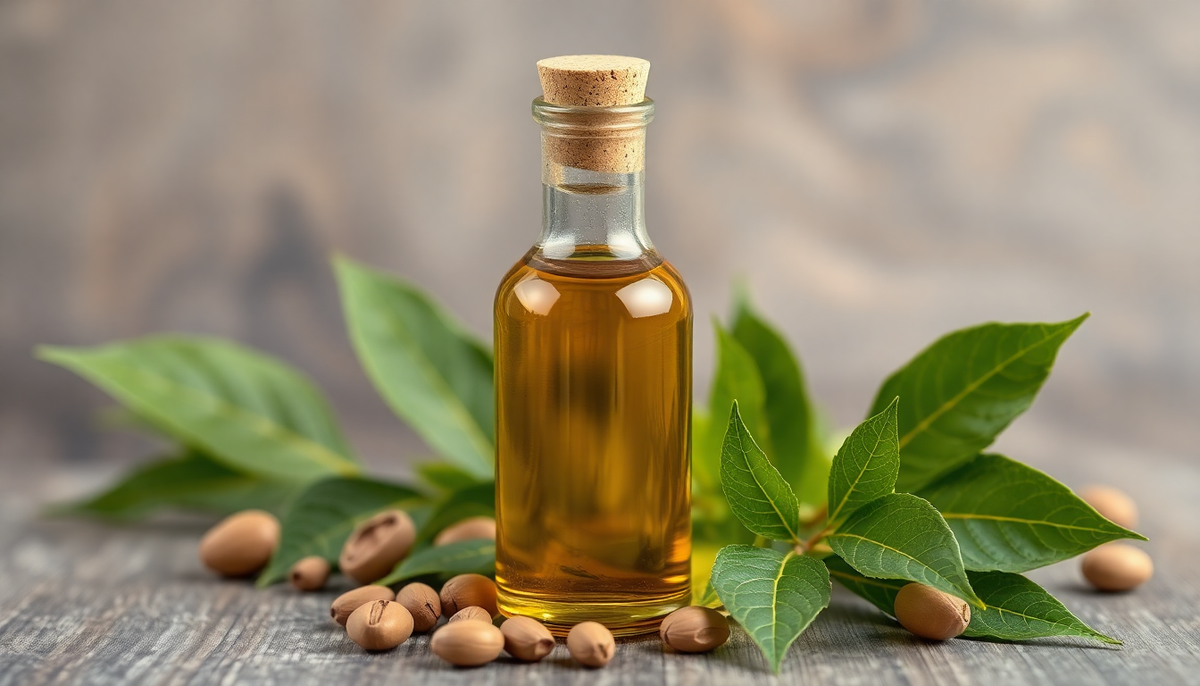
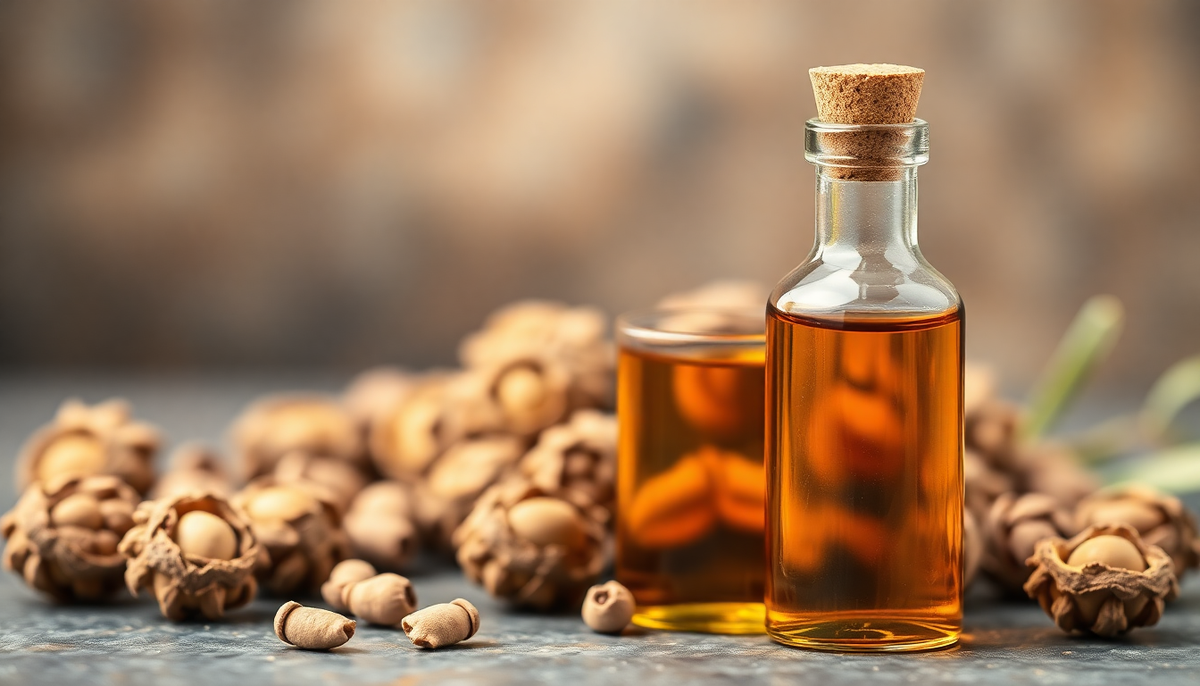
- Apply natural oils such as argan, coconut, or castor oil for added moisture and shine.
- Protect hair from environmental damage—wear hats or scarves in harsh weather conditions.
- Schedule routine trims to prevent split ends and maintain healthy growth.
The Benefits of a Consistent Whole Food-Based Hair Care Routine
Committing to a diet rich in whole foods yields multiple benefits beyond hair health. You will notice improvements in your skin's glow, increased energy levels, and a boost in overall vitality. Moreover, this approach promotes environmental sustainability by reducing reliance on synthetic chemicals and packaging associated with conventional hair products.
Summary of Tips and Recommendations
- Prioritize nutrient-rich, whole foods in your daily diet.
- Ensure balanced intake of biotin, vitamins E and C, zinc, iron, and omega-3 fatty acids.
- Maintain proper hydration—drink at least 8 glasses of water daily.
- Combine internal nutrition with external natural hair care routines.
- Stay consistent—results appear with patience and dedication.
Final Thoughts
In 2026, the path to premium, naturally healthy hair is clear: nurture from within with whole foods, support with gentle external care, and maintain a balanced lifestyle. By embracing these holistic principles, you not only enhance your hair's appearance but also foster overall well-being. Remember, true beauty radiates from health, and the natural power of whole foods can help you achieve and sustain your hair's full potential—beautifully and sustainably.

Hinterlasse einen Kommentar
Diese Website ist durch hCaptcha geschützt und es gelten die allgemeinen Geschäftsbedingungen und Datenschutzbestimmungen von hCaptcha.