
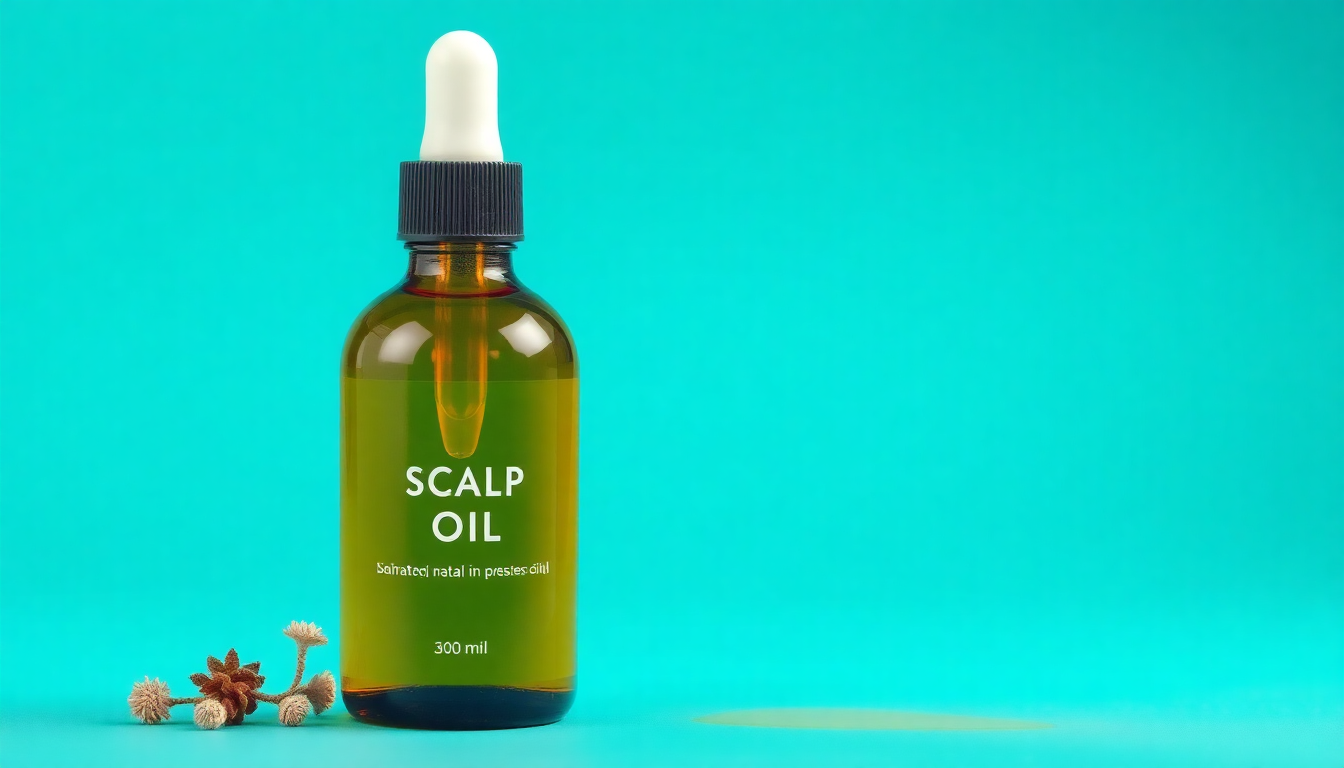
Introduction: Why a focused scalp rebuild matters for men
If you’re serious about sustained hair retention, growth and visible improvements from traditional treatments like Chebe, you can’t ignore the scalp. Styling products, waxes, heavy creams, pollution and repeated washing can leave a film of residue that clogs follicles, weakens the scalp barrier and increases shedding. This in turn reduces the effectiveness of growth and retention techniques. The Scalp Rebuild Blueprint described here uses batana oil as a nourishing, residue‑lifting carrier, combined with low‑dose rosemary essential oil for scalp stimulation and vitamin E for antioxidant protection and formula stability. The aim is to safely dissolve styling buildup, normalize the scalp environment and create ideal conditions for Chebe and other treatments to work.
Overview of the three pillars: batana oil, low‑dose rosemary and vitamin E
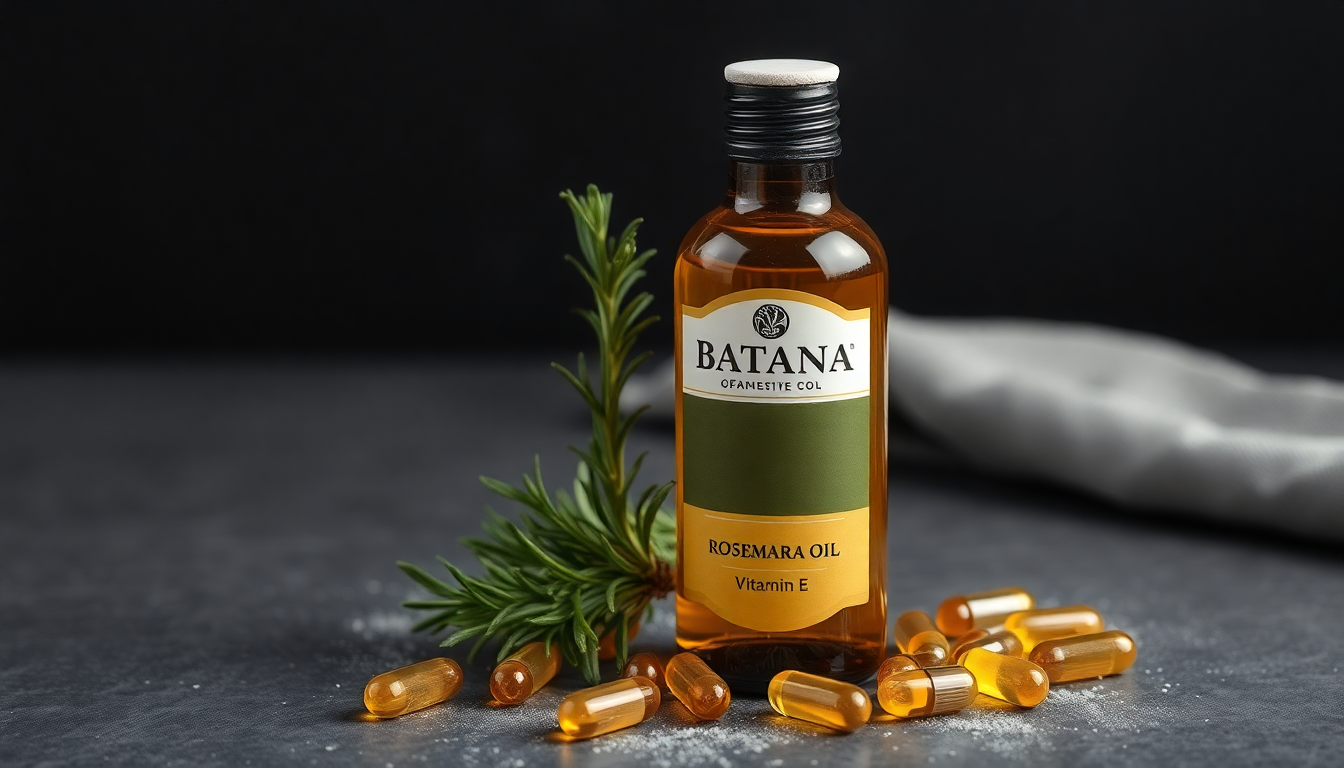
- Batana oil: A rich, traditional oil prized for its conditioning properties and unique fatty acid and carotenoid content. Because of its heavier, lipid‑soluble nature, batana oil is effective at dissolving hydrophobic residues like silicones, waxes and pomades that don’t come out easily with water alone.
- Low‑dose rosemary essential oil: At controlled, low concentrations rosemary can support scalp microcirculation and reduce inflammation. Clinical and laboratory studies have shown rosemary extract or essential oil can help improve scalp health and, in some contexts, hair density. Using it in low doses minimizes irritation.
- Vitamin E (tocopherol): A lipid‑soluble antioxidant that protects scalp lipids from oxidative stress, helps maintain barrier integrity and increases the shelf stability of oils by slowing rancidity.
Why this low‑dose, carrier‑first approach is optimal
High concentrations of essential oils or harsh cleansers often backfire: they irritate the scalp, cause inflammation and accelerate shedding. A carrier‑first approach uses a nourishing oil to lift residues and support barrier repair. Low‑dose rosemary adds scalp‑supportive benefits without the risk of essential oil overload. Vitamin E provides protection and stability. Together, they create a gentle, repeatable routine suitable for most men, including those who use Chebe treatments.
What styling residues do to the scalp and hair
- Form a hydrophobic film on the scalp and hair shaft that traps sebum, dirt and dead cells.
- Reduce absorption of topical actives (Chebe pastes and oils need access to the hair shaft and follicle vicinity).
- Increase friction and mechanical stress on hair, promoting breakage and tension shedding.
- Interfere with normal sebum balance and can foster scalp inflammation.
Evidence snapshot: what research says (concise)
- Rosemary oil and extracts have been observed in several studies to support hair density and scalp circulation when used over months; effects are modest and gradual.
- Topical antioxidants like vitamin E support skin lipid health and can improve barrier function in damaged skin.
- Oils with the ability to dissolve hydrophobic residues (oleic, linoleic rich oils) help remove product build‑up more effectively than water alone.
Note: research is evolving and individual response varies. This blueprint is targeted at improving scalp conditions that support retention and absorption of other treatments rather than as a stand‑alone cure for androgenetic hair loss.
Complete blueprint: formulation, application, frequency and tools
Below is a reproducible small‑batch recipe, detailed application steps, and tools to make the routine practical and easy.
-
Small‑batch formulation (30 ml / 1 fl oz)
- 30 ml batana oil (carrier)
- 5 drops rosemary essential oil (approx. 0.6% concentration)
- 1/4 tsp (≈1.2 ml) vitamin E oil (d‑alpha or mixed tocopherols) — roughly 1–2% of formula
-
How to mix
- Use a clean, amber glass dropper bottle to limit light exposure.
- Pour in batana oil, add vitamin E, then add rosemary drops last.
- Cap and invert 6–8 times to blend. Label with date made.
-
Pre‑wash application (best for residue breakdown)
- Section dry hair and apply 1–2 ml of oil to each section's scalp area using a dropper or fingertips.
- Massage 3–5 minutes with pads of fingers using circular motions to mechanically lift residue and stimulate circulation.
- Optional: cover hair with a plastic cap and a warm towel for 20–30 minutes to increase penetration.
- Shampoo thoroughly with a gentle, sulfate‑free clarifying shampoo. Rinse and follow with conditioner as needed.
-
Leave‑in/overnight option (for dry scalps)
- Use no more than 1 ml applied sparingly to the scalp before bed and wash out in the morning once or twice weekly.
- Reduce rosemary frequency when using overnight; for example, every other week.
-
Recommended tools
- Amber glass dropper bottle (30 ml)
- Wide‑tooth comb and clarifying, sulfate‑free shampoo
- Plastic shower cap and towel for heat application
- Scalp massage brush (soft) or fingertips
12‑week Scalp Rebuild Plan (example timeline)
This structured plan helps you measure progress while minimizing irritation risk.
-
Weeks 1–2
- Pre‑wash treatment once per week. Patch test before full application.
- Use a clarifying, sulfate‑free shampoo after treatment to remove dissolved residue.
-
Weeks 3–6
- Increase to twice weekly pre‑wash treatments if scalp tolerates it and residue is heavy.
- Introduce gentle daily scalp massages for 3–5 minutes (no oil needed or a tiny amount between washes).
-
Weeks 7–12
- Switch to maintenance: once weekly pre‑wash treatment or once weekly overnight if scalp is dry.
- Evaluate shedding and Chebe results: note changes in retention, texture and breakage.
How this routine amplifies Chebe results
- Cleaner scalp and less film = better access for Chebe pastes and oils to adhere to the hair shaft and penetrate cuticle crevices.
- Reduced friction and residue = lower mechanical breakage, improving visible retention when combined with Chebe’s strengthening effects.
- Regular low‑dose rosemary and improved barrier function from vitamin E can reduce irritation and create more consistent conditions for long‑term Chebe use.
Variations for different scalp types
- Oily scalp: use pre‑wash treatment 1–2x weekly; avoid overnight leave‑ins. Consider reducing batana volume or mixing 50/50 with a lighter carrier like fractionated coconut oil.
- Dry scalp: overnight leave‑ins once weekly are beneficial. Keep vitamin E at 1–2% to boost barrier repair.
- Sensitive scalp: reduce rosemary to 2–3 drops per 30 ml batch (≈0.25–0.35%). Patch test for 48 hours. Use treatments less frequently and monitor for irritation.
Common pitfalls and troubleshooting
- Overuse of essential oils: can cause itching, redness, or increased shedding—if this occurs stop use immediately.
- Not using a clarifying shampoo: the dissolved residues may re‑accumulate if not rinsed out.
- Expecting instant dramatic regrowth: scalp normalization takes weeks; improvements in shedding and Chebe absorption often appear over 6–12 weeks.
- Using incompatible styling products right after treatment: wait 24–48 hours before applying heavy waxes or pomades.
Measuring progress: what to track
- Photographs: take consistent scalp photos every 2–4 weeks.
- Shedding counts: track how many hairs on your pillow or in the shower each week (approximate).
- Hair feel and texture: note improvements in softness, reduced frizz, less breakage.
- Chebe results: retention, length gains, and how well Chebe paste adheres after weeks of combined use.
Ingredient sourcing, storage and safety
- Choose cold‑pressed, minimally processed batana oil when possible. Look for suppliers that provide origin details and processing information.
- Use therapeutic‑grade rosemary essential oil from reputable suppliers; GC‑MS reports are a plus.
- Pick stable vitamin E (d‑alpha or mixed tocopherols). It not only benefits the scalp but also prolongs shelf life.
- Storage: keep the blend in an amber bottle, away from heat and direct sunlight. Typical shelf life for an oil blend with vitamin E is 6–12 months depending on storage and initial oil quality.
Alternatives and additions
- If you can’t source batana, consider similarly rich carriers like hibiscus oil or pure argan oil, but note differences in fatty acid profiles and penetration.
- Active additions (optional): a drop of peppermint essential oil can offer cooling sensation and circulation benefits, but must be used sparingly and typically not combined with rosemary at high total essential oil load.
- For more clarifying lift, alternate with an apple cider vinegar rinse (diluted) once every 1–2 weeks after clarifying shampooing to rebalance pH.
Realistic expectations and safety reminders
Be consistent but patient. Scalp and hair cycles are slow—meaning visible reductions in shedding and improved Chebe synergy typically appear over multiple months. Always patch test a new topical, and consult a dermatologist if you experience sudden or severe hair loss, scalp sores, or signs of infection. This blueprint is an evidence‑informed care strategy, not a medical cure for clinical alopecia.
Case example (hypothetical)
John, 32, used heavy waxes and a Chebe routine but noticed increased shedding and weak retention. He used the Scalp Rebuild Blueprint: pre‑wash batana + rosemary treatment twice weekly for 8 weeks, paired with weekly Chebe pasting per his existing routine. After 12 weeks he reported reduced shedding, better Chebe paste adhesion, and softer hair with fewer breakages. Individual results vary, and this is illustrative rather than guaranteed.
Where to buy ready‑made options and curated supplies
If you prefer ready‑made blends or curated ingredient kits that follow the low‑dose blueprint, look for brands that emphasize high‑quality batana oil and botanical actives. For convenience, curated products can save time and ensure correct concentrations. Explore reputable suppliers and check product labels for carrier type, essential oil concentration and vitamin E content.
Sponsored suggestion and how to get started today
For men who want a practical starting point with thoughtfully formulated products, consider browsing options from trusted sellers. For example, visit Sevich Collections to explore batana oil blends and rosemary‑infused serums that are crafted for scalp health and residue management. Find products like 'Batana oil for hair', 'rosemary hair oil' and 'vitamin E hair serum' on their site to match the blueprint and save time on DIY mixing: https://sevichcollections.com/.
Final thoughts and call to action
Rebuilding the scalp is a strategic step for men using Chebe and other retention or growth routines. By combining a residue‑lifting carrier like batana oil with low‑dose rosemary and vitamin E, you can reduce styling buildup, support the scalp barrier and create better absorption for the treatments you trust. Start slowly, monitor your scalp’s response, and aim for consistency over months rather than expecting overnight transformation.
If you want ready‑to‑use blends that align with this blueprint, check out the curated selections at Sevich Collections and consider trying a Batana + Rosemary pre‑wash treatment to see how it improves residue breakdown and boosts Chebe results: Shop Sevich Collections.
Disclaimer: This article is for informational purposes only and not a substitute for professional medical advice. If you have a medical condition, severe or sudden hair loss, or scalp disease, consult a qualified healthcare provider.


Hinterlasse einen Kommentar
Diese Website ist durch hCaptcha geschützt und es gelten die allgemeinen Geschäftsbedingungen und Datenschutzbestimmungen von hCaptcha.