
Introduction — The modern man’s dilemma: style vs. scalp health
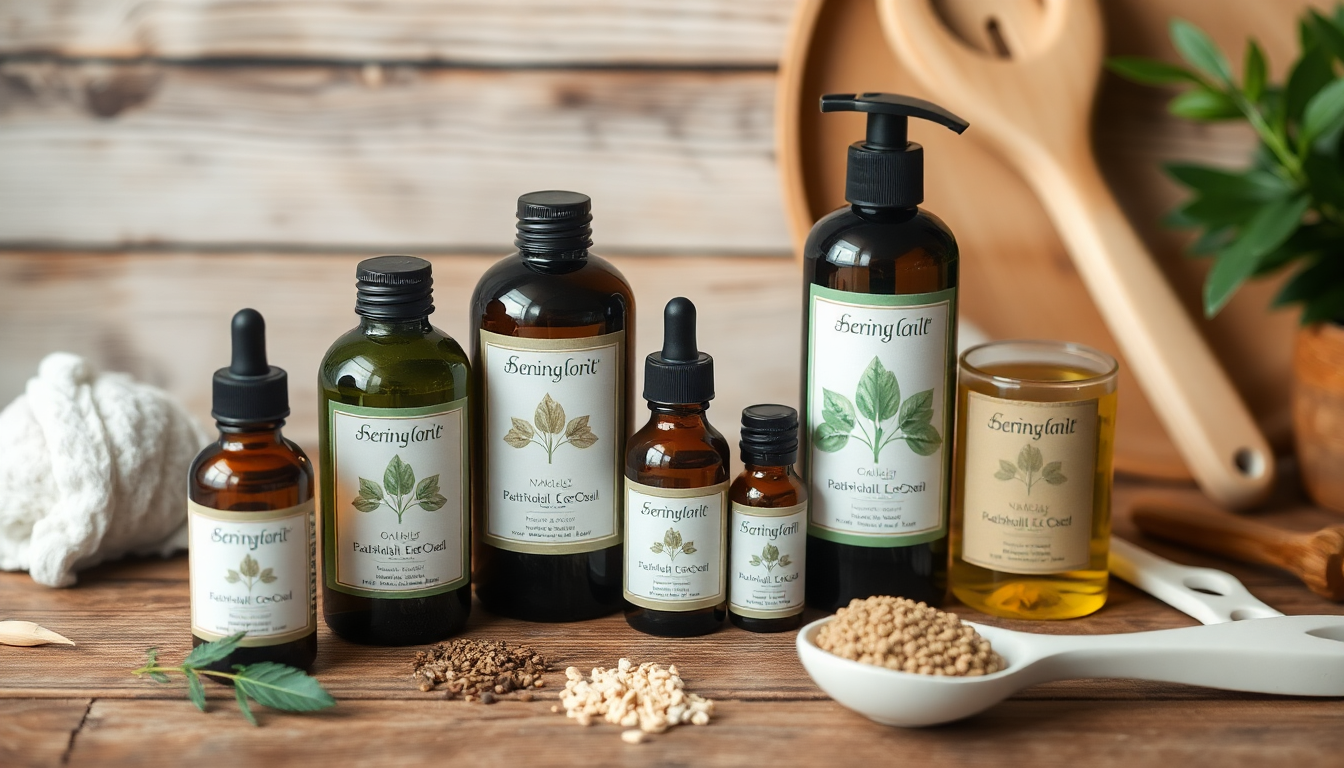
Using hair wax or pomade is part of many men’s daily grooming rituals. The tradeoff, however, is often product buildup, weighed-down strands and increased mechanical shedding from repeated styling and combing. Rather than abandoning wax-based styling, you can create a wax-resistant haircare stack that preserves hold while protecting the scalp and hair fibers. This article explains how to combine batana oil, rosemary and vitamin E — and how to integrate chebe treatments — to reduce shedding, improve strand resilience and get consistent length-retention results.
Why this approach is effective (overview)
- Batana oil: a dense, nutrient-rich sealant that conditions and reduces friction on the hair shaft.
- Rosemary: an essential oil with circulation-supporting and antioxidative properties that supports scalp environment.
- Vitamin E: an antioxidant and lipid-supporting vitamin that helps maintain a healthy scalp barrier when used topically in small amounts.
- Chebe: a traditional Saharan powder treatment that strengthens hair when paired with moisturizing carriers and protective styling.
When these ingredients are deployed intentionally — using correct dilutions, application timing and cleansing protocols — they can create a protective interface between wax and hair, preventing wax saturation of the shaft and reducing friction-related shedding.
Science and safety: what evidence supports these ingredients?
While haircare is influenced by genetics, diet and overall health, topical products can alter hair conditioning, manageability and localized scalp health. Key points:
- Oils like batana contain fatty acids and sterols that smooth the cuticle and reduce tangling — this reduces mechanical breakage from combing and styling.
- Rosemary essential oil has been studied for potential benefits to scalp circulation and as an antioxidant. Most evidence supports topical use in diluted form and as part of long-term maintenance routines.
- Vitamin E (tocopherol) is an antioxidant used to stabilize oils and protect skin lipids; topically it supports barrier function when used in appropriate concentrations.
- Chebe is primarily an ethnobotanical tradition; anecdotal and community reports show strong length retention when used properly and combined with sealing oils.
Important safety note: essential oils must be diluted for topical use. If you have a compromised scalp, severe shedding, or medical concerns, consult a dermatologist before starting a new regimen.
Deep dive: Batana oil — composition and practical benefits
Batana oil, pressed from the fruit of the American palm, is prized for its conditioning and sealing properties. Key attributes:
- High in long-chain fatty acids and triglycerides that help smooth the hair cuticle.
- Acts as a sealing oil — after water-based moisturizers, a light batana layer locks hydration into the hair shaft.
- Helps reduce friction during styling and combing, which lowers the risk of strand breakage.
- Gives hair a healthy sheen without the stiff, dry feel some waxes create.
For a wax-resistant stack, use batana as the primary sealant around chebe treatments and as a pre-wax protective step for ends and mid-lengths.
Deep dive: Rosemary — mechanisms, dilutions and cautions
Rosemary essential oil is commonly used in topical hair formulations. Its potential benefits derive from:
- Terpenes and phenolic compounds that may support scalp health and provide antioxidant effects.
- Aromatherapeutic effects that many find invigorating (useful in scalp massages).
Practical guidelines:
- Dilution: keep rosemary at or below 1% in leave-on scalp products (approx. 6 drops per 30 ml carrier oil) and lower for sensitive scalps.
- Patch test: apply a small diluted amount behind the ear or on the inner forearm 24–48 hours before widespread use.
- Avoid undiluted essential oils directly on the scalp, and do not use them near the eyes.
Deep dive: Vitamin E — what form and how to use it
Vitamin E for topical hair use normally appears as d-alpha-tocopherol or a mixed tocopherol oil. Benefits include:
- Antioxidant protection for oils and the scalp.
- Support for the lipid barrier of the scalp, which can help manage dryness and flaking.
- Stabilizing crude oil blends to extend shelf life.
Use vitamin E in small amounts (1–5% of an oil blend) primarily as a stabilizer and supplemental conditioning agent. If you have acne-prone skin, avoid applying near the hairline.
Chebe explained: tradition, function and how to integrate it
Chebe is a powdered mixture traditionally used by women in Chad and surrounding regions to preserve hair length. Typical practice mixes the powder with an oil or paste and applies it to the entire length of hair, coupled with protective wraps. Why it pairs well with batana and vitamin E:
- Chebe’s gritty paste adheres to hair fibers; a sealing oil such as batana preserves the paste and prevents rapid washout.
- Vitamin E stabilizes the carrier oils used to make chebe pastes.
- Combined, the chebe + oil approach reduces friction and breakage — the same principle used to protect hair from wax buildup.
Follow chebe protocols precisely: it’s a long-term approach that requires patience and consistent sealing and protective styling (e.g., buns, braids, night coverings).
Understanding wax chemistry and why preparation matters
Styling waxes and pomades are mixtures of waxes, oils and polymers. Their hold depends on wax type (beeswax vs. synthetic waxes), oil base (petrolatum vs. plant oils) and solvents (alcohols). Why this matters:
- Oils with similar solubility to the wax base can be absorbed, causing the hair shaft to accumulate product — too much absorption equals dull, heavy hair.
- Properly preparing the hair with water-based leave-ins and a thin, protective seal on ends allows the wax to sit on the surface for hold while keeping the shaft protected.
- Weekly clarifying helps remove wax that does penetrate or build up, maintaining scalp health and follicle function.
Routine building blocks — what to do daily, weekly and monthly
- Daily: Light leave-in conditioner (water-based) + minimal sealant on ends; apply wax to dry hair with sparing use.
- 2–3× per week: Pre-shampoo oil massage (batana + vitamin E + diluted rosemary) for 30–60 minutes or overnight under a satin cap.
- Once weekly: Clarifying shampoo to remove wax and rebuild; follow with conditioning and a short batana seal if hair is dry.
- Monthly: Deep chebe application or treatment sessions if you use chebe to support length retention; evaluate scalp and adjust frequency.
Tailored stacks for different hair types
Hair porosity and density change how oils and wax interact. Below are suggested adaptations:
- Low porosity hair: Use lighter carriers (grapeseed, fractionated coconut oil) instead of heavy oils on the scalp; reserve batana for ends and chebe sealing.
- High porosity/damaged hair: Apply richer pre-shampoo batana treatments and slightly more frequent sealing; avoid daily heavy wax application.
- Fine hair: Use minimal oil quantities, rely on water-based leave-ins and apply micro-doses of sealant to ends only to avoid weighing hair down.
- Thick/coarse hair: Use batana more liberally as a sealant and integrate chebe for length retention; choose pomades with stronger hold when needed but clarify regularly.
Detailed DIY formulations and how to make them (safe recipes)
All recipes below are for topical use only. Measure carefully and do a patch test.
-
Pre-shampoo restoration oil (60 ml):
- Batana oil — 48 ml
- Grapeseed oil — 10 ml (light carrier)
- Vitamin E oil — 1 ml (approx. 1–2 drops)
- Rosemary essential oil — 6 drops (approx. 0.3 ml; ~1% dilution)
Instructions: Warm blend slightly and apply to scalp and length. Massage for 5–10 minutes, cover with a cap and leave 30–60 minutes or overnight before shampooing.
-
Lightweight daily sealant (30 ml):
- Fractionated coconut oil — 20 ml
- Batana oil — 8 ml
- Vitamin E — 2 drops
Use a single drop rubbed between fingertips and applied only to ends before styling.
-
Chebe paste (small batch):
- Chebe powder — 20 g
- Batana oil or a mix of shea butter + batana — enough to make a spreadable paste (~30–40 ml)
- Optional: 2–3 drops vitamin E
Mix until homogeneous. Apply only as directed by chebe protocols, seal with a thin layer of batana after application.
Practical application steps — an ideal wash day
- Pre-wash: apply pre-shampoo restoration oil; massage and leave under a cap.
- Shampoo: use clarifying or sulfate-free cleanser depending on buildup levels.
- Condition: rinse and apply a deep conditioner focusing on lengths.
- Chebe application (if scheduled): prepare paste and apply to damp hair; seal with a thin layer of batana.
- Dry and style: after hair is dry and lightly misted with a water-based leave-in, apply minimal sealant to ends and then style with wax, using small amounts.
Troubleshooting — extended guidance
- Persistent buildup: Increase clarifying to once weekly for a month, then reassess. Avoid heavy wax daily; opt for lighter hold products.
- Itchy or flaky scalp: Reduce oil frequency, use diluted rosemary sparingly, and consider a gentle medicated shampoo if symptoms persist.
- Greasy roots but dry ends: Apply oils primarily to mid-lengths and ends; use water-based leave-ins at the scalp to manage moisture without oil overload.
- No chebe adhesion: Ensure hair is slightly damp when applying chebe paste; always seal with batana and allow the paste to sit as recommended.
Product selection: what to look for on labels
- Cold-pressed, unrefined batana oil retains more nutrients.
- Pure rosemary essential oil (Rosmarinus officinalis) with botanical name and country of origin listed.
- Tocopherol or d-alpha-tocopherol for vitamin E labeling.
- Avoid products with high levels of drying alcohols, sulfates or fragrances that cause irritation.
Where to buy quality ingredients and curated kits
Sourcing matters. For convenience, transparency and curated blends designed for a men’s wax-resistant stack, consider brands that clearly list ingredients and offer formulations optimized to work together. Examples of strategic product links include:
- Batana oil for men — cold-pressed options tailored to thicker hair and sealing purposes.
- Rosemary hair oil — pre-diluted scalp blends for safe use.
- Chebe treatment blends — ready-made pastes and carrier oils to integrate into your routine.
SEO-friendly FAQ — What users search for
- Does batana oil help hair grow? Batana oil conditions and reduces breakage, which helps with length retention. While it doesn’t directly change genetic growth rate, retaining length is often perceived as enhanced growth.
- Can I use rosemary every day? Daily full-strength rosemary is not recommended. Use rosemary 1–3× weekly in diluted blends; consider rosemary hydrosol for gentler daily use.
- Will vitamin E clog pores? In small amounts and when applied to hair (not the hairline), vitamin E is typically safe. If you’re acne-prone, avoid heavy leave-ons at the hairline.
- How long until I see chebe results? Users typically report improved length retention over months; consistent sealing and protective styling are crucial.
Sample 90-day program — trackable schedule
Use this framework as an example. Adjust frequencies to your hair’s response.
- Days 1–30: Establish routine — pre-shampoo oil 2× weekly, clarifying once weekly, lightweight daily sealant on ends, minimal wax use on styling days.
- Days 31–60: Add chebe application if desired (every 2–4 weeks depending on protocol). Monitor shedding and adjust oil frequency.
- Days 61–90: Assess results. If shedding decreased and hair feels stronger, maintain frequency. If buildup occurs, increase clarifying and lower oil/wax volume.
When to consult a professional
If you notice rapid hair loss, large patches of thinning, severe scalp pain, persistent flaking or inflammation, seek a dermatologist or trichologist. Topical care helps many people, but underlying medical conditions require professional evaluation.
Final checklist before you begin
- Patch test all new blends and essential oils.
- Introduce one product at a time so you can identify reactions and benefits.
- Keep a wash-day log for the first 90 days to track products, frequency and shedding patterns.
- Sleep on satin and protect hair during physical activity to reduce friction-related breakage.
Conclusion — Build, iterate and protect your investment
Creating a wax-resistant haircare stack for men is about strategy: choose the right carriers, dilute essential oils safely, integrate chebe or other protective treatments, and maintain a consistent clarifying and sealing schedule. Batana oil acts as a powerful sealant, rosemary supports scalp health when used correctly, and vitamin E helps stabilize your oil blends while contributing to a healthy scalp environment. Combined with careful wax usage and protective styling, this stack reduces mechanical shedding and improves overall hair resilience.
For a convenient, curated start, explore ready-made products and men’s-specific formulations that combine batana oil, rosemary and vitamin E. You can find quality blends, chebe-friendly carriers and styling-compatible oils at Sevich Collections. Their selection of men's hair wax and oils is designed to integrate seamlessly into a wax-resistant routine — visit their store to compare products and shop a complete line that simplifies the process.
Disclaimer: This article provides general guidance and does not replace medical advice. If you experience severe shedding or scalp issues, consult a healthcare professional.

Hinterlasse einen Kommentar
Diese Website ist durch hCaptcha geschützt und es gelten die allgemeinen Geschäftsbedingungen und Datenschutzbestimmungen von hCaptcha.