
Introduction
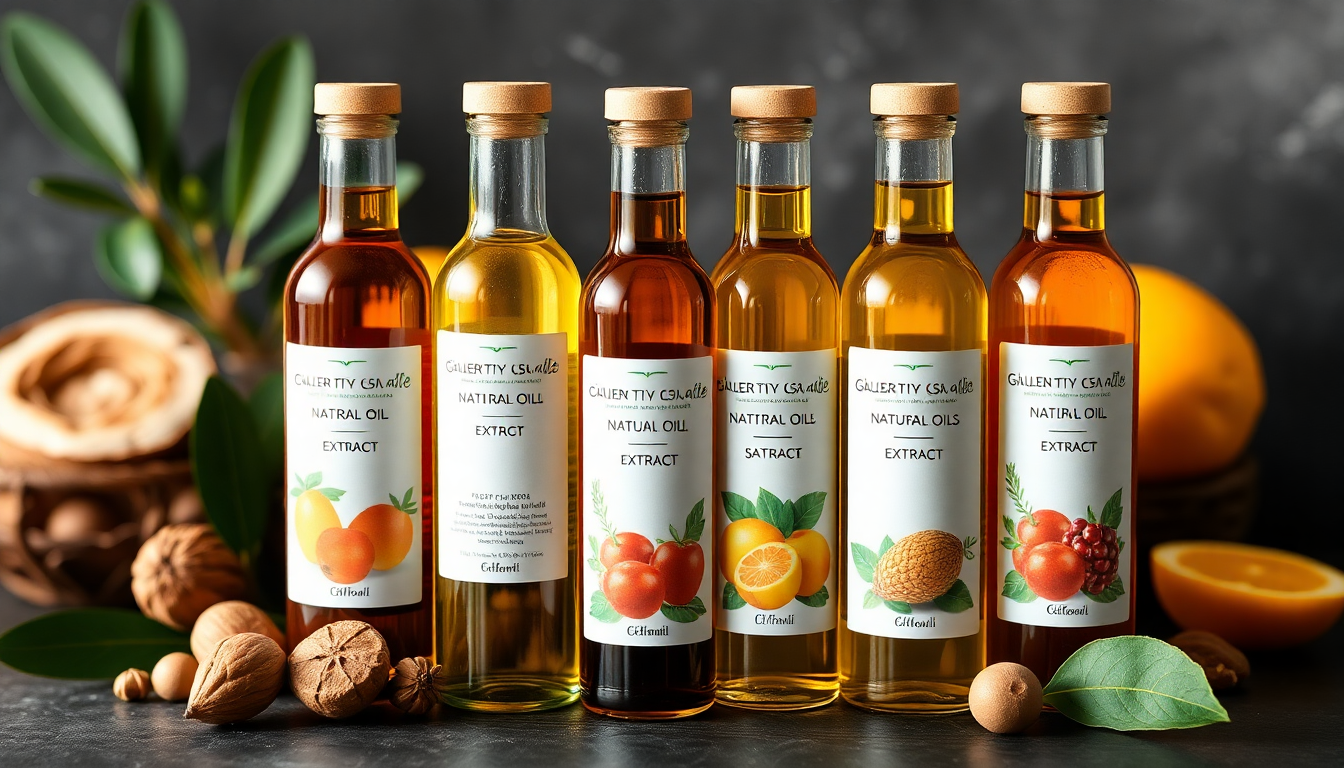
Choosing the perfect natural oil for hair and skin care can be a daunting task, especially with so many options available in the market today. As we progress through 2025, two oils stand out due to their proven benefits and growing popularity: palm oil and batana oil. Both are derived from natural sources and boast unique properties that can enhance your beauty routine. This comprehensive guide will delve into the origins, benefits, drawbacks, and ideal use cases of these oils, empowering you to make an informed decision tailored to your needs and values.
Understanding Palm Oil
Palm oil is obtained from the fruit of the oil palm tree (Elaeis guineensis), which is predominantly cultivated across Southeast Asia, West Africa, and parts of Central America. Recognized globally for its versatile applications, palm oil has been a staple in cooking, cosmetics, and industrial manufacturing for decades. In recent years, cosmetic companies have increasingly incorporated palm oil into skincare and haircare products because of its nutrient-rich profile.
Historical Context and Production Process
Traditionally, palm oil has been extracted through a process that involves sterilization, threshing, pressing, and clarification of the fruit pulp to obtain crude palm oil. This crude oil undergoes refining processes to eliminate impurities. Innovations in sustainable practices have emphasized eco-friendly harvesting, but challenges remain regarding deforestation and habitat loss in certain regions.
Essential Nutrients in Palm Oil
- Vitamin E: Contains tocopherols and tocotrienols that promote skin elasticity and act as antioxidants.
- Carotenoids: Contribute to skin health and provide anti-inflammatory effects.
- Fatty Acids: Rich in oleic acid, palmitic acid, and linoleic acid, essential for moisturizing and barrier repair.
Benefits of Palm Oil for Hair and Skin in 2025
- Deep Hydration: Penetrates skin and scalp to provide long-lasting moisture, ideal for dry, flaky skin and brittle hair.
- Anti-Aging Properties: Combats oxidative stress, reducing the appearance of fine lines and wrinkles.
- Skin Barrier Support: Helps strengthen the skin's natural barrier, preventing moisture loss.
- Antioxidant Power: Its natural antioxidants help neutralize free radicals caused by environmental pollutants and UV exposure.
Potential Concerns and Limitations of Palm Oil
- Environmental Impact: Deforestation and habitat destruction are significant concerns associated with palm oil production, prompting consumers to seek sustainably sourced options.
- Skin Sensitivity: Some individuals with sensitive skin may experience irritation or breakouts.
- Price and Availability: Premium, sustainably sourced palm oil may be more costly and harder to find.
Introducing Batana Oil
Batana oil is a lesser-known but highly potent natural extract derived from the nuts of the American palm tree (Elaeis oleifera and similar species). Originating from indigenous communities in Central America, especially Honduras, batana oil has a rich history rooted in traditional healing and beauty practices. Its reputation as a restorative and nourishing oil has seen a resurgence in recent years, particularly among those seeking sustainable and culturally significant products.
Extraction and Production of Batana Oil
Unlike palm oil, batana oil is harvested through a more traditional process involving hand-cracking of nuts, cold pressing, and minimal refining to preserve its natural nutrients. This labor-intensive process supports local economies and aligns with sustainable harvesting practices.
Major Nutrients and Properties
- Oleic and Linoleic Acids: These fatty acids deeply nourish the scalp and skin, promoting elasticity and healing.
- Antioxidants: Rich in vitamin E, beta-carotene, and other phytochemicals that protect against oxidative stress.
- Restorative Compounds: Contains natural phytonutrients that help repair damaged hair and dull skin.
Benefits of Batana Oil for Hair and Skin in 2025
- Hair Regeneration: Stimulates hair follicles, reducing hair loss and encouraging new growth.
- Deep Nourishment: Penetrates deeply to repair dry, brittle, and damaged hair strands.
- Scalp Health: Soothes irritation and reduces dandruff with natural anti-inflammatory properties.
- Skin Repair: Promotes healing of scars, stretch marks, and dry patches, leaving skin soft and vibrant.
- Natural Shine: Enhances hair and skin radiance without synthetic additives.
Comparison: Palm Oil vs. Batana Oil
Nutritional Profile and Effectiveness
- Palm oil is rich in vitamin E, carotenoids, and antioxidants, making it excellent for anti-aging and deep hydration.
- Batana oil excels in nourishing, repairing, and stimulating hair growth thanks to its high concentration of essential fatty acids and phytonutrients.
Environmental and Ethical Considerations
- Palm oil production has faced criticism for ecological damage, prompting the rise of sustainable and certified organic options.
- Batana oil is typically produced in small-scale, community-centered cooperatives that emphasize sustainability and fair trade practices.
Price and Accessibility in 2025
- Palm oil is widely available and inexpensive, but ethically sourced versions may cost more.
- Batana oil is less common and may command higher prices due to its artisanal production methods and limited supply.
Which Oil Is the Best for You in 2025?
Deciding between palm oil and batana oil depends largely on your personal skincare goals and ethical considerations. Here are some factors to consider:
- For Anti-Aging and Hydration: Palm oil, with its antioxidant properties and ability to deeply moisturize, may be preferable.
- For Hair Restoration and Repair: Batana oil, with its scientifically supported ability to repair damage and promote growth, could be the better choice.
- Environmental Impact: Choosing sustainably sourced palm oil or supporting brands that adhere to ethical practices aligns with eco-conscious consumer values.
- Skin or Hair Sensitivity: Always conduct patch tests when trying a new product, especially if you have sensitive skin or scalp issues.
Using These Oils Effectively
- For Palm Oil: Use in homemade serums, moisturizers, or as a base ingredient in soap-making. For skin, apply a small amount after cleansing; for hair, use as a pre-shampoo treatment or leave-in conditioner.
- For Batana Oil: Apply directly to scalp for hair growth stimulation, or massage into dry or dull skin as a rejuvenating treatment. It works well as a leave-in conditioner or mixed with other natural oils.
Conclusion
In 2025, both palm oil and batana oil have secured their places in the natural beauty landscape by offering unique benefits tailored to different needs. Palm oil’s antioxidant-rich profile makes it excellent for fighting aging and maintaining hydration, while batana oil's restorative power shines in healing damaged hair and skin. Your choice ultimately depends on your personal health goals, environmental values, and ethical considerations. Incorporating either oil thoughtfully into your beauty routine can help you achieve healthier, more radiant hair and skin, all while supporting sustainable practices and cultural heritage.
Remember, the key to effective natural skincare is consistency and choosing high-quality, ethically sourced products. Stay informed about the origins of your beauty products and prioritize your health and the environment as you make your choices in 2025 and beyond.


Leave a comment
This site is protected by hCaptcha and the hCaptcha Privacy Policy and Terms of Service apply.