
Introduction
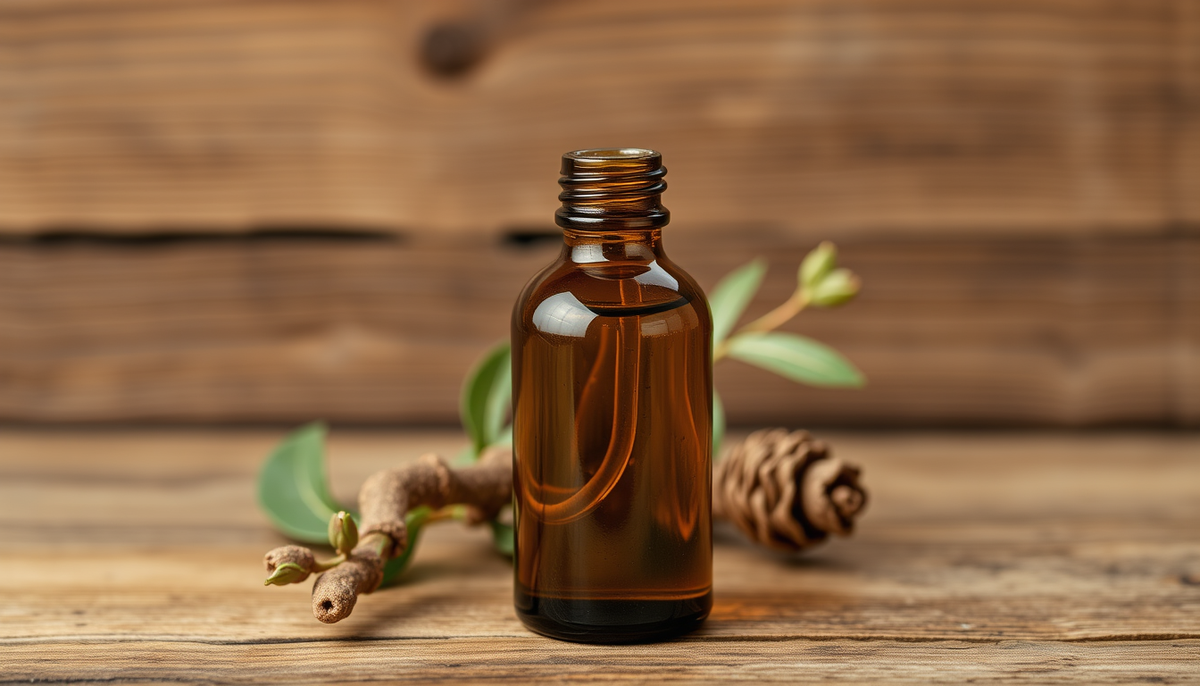
Batana oil, derived from the fruit of the American palm Elaeis oleifera, has gained popularity among hair care enthusiasts for its potential to boost moisture, shine, and overall manageability. If you’re exploring Batana oil in 2026, buying on Amazon can be convenient, but authenticity matters. This guide explains how to find authentic Batana oil for hair health and how to make a smart purchase on Amazon. You’ll learn about origin stories, product indicators of quality, and practical usage tips to maximize results.
What is Batana Oil?
Batana oil is traditionally used by indigenous communities in Central and South American regions. It is valued for its rich fatty acids, including oleic and linoleic acids, which help seal in moisture, reduce frizz, and support hair strength. When selecting a product, look for terms like “batana oil,” “Ojon oil” (a historic trade name), and cold-pressed formulations that emphasize purity. The best oils retain the natural color and nutty aroma of the fruit without harsh additives.
Why Batana Oil Might Benefit Hair Health
- Deep conditioning and hydration for dry or damaged hair
- Improved shine and softness without heaviness
- Potential to reduce breakage and improve elasticity
- Natural emollients that can be used as a pre-wash treatment or finish
- Antioxidant content that may support scalp health in some users
As with any hair care ingredient, results vary by hair type and climate. Always patch-test new products and adjust usage to avoid buildup. For best outcomes, pair Batana oil with a balanced routine that includes a gentle shampoo and a hydrating conditioner.
How to Buy Batana Oil on Amazon: A Step-by-Step Guide
- Search smart: Use keywords such as “batana oil,” “Ojon oil,” “cold-pressed batana oil,” and consider including your country or region to surface region-specific options.
- Check the seller: Prefer established brands or sellers with clear contact information, robust return policies, and positive reviews. Look for products sold or fulfilled by reputable brands rather than third-party resellers with limited history.
- Read the product description carefully: Note country of origin (e.g., products sourced from Central/South American communities), extraction method (cold-pressed if stated), bottle size, and any added ingredients.
- Look for transparency on ingredients: A pure batana oil product should have ingredient lists that primarily say batana oil, with minimal additives if any. Be cautious of blends that don’t clearly disclose ingredients.
- Review the packaging and seal: Check for tamper-evident seals, batch codes, and expiry dates to ensure freshness. A glass bottle with a dark tint is often preferable for preserving oil quality.
- Assess price and value: Extremely low prices can signal dilution or counterfeit products. Compare price per ounce as part of your evaluation.
- Read reviews critically: Look for consistency in color, aroma, texture, and reported results. Be wary of clusters of overly generic or hyped reviews.
How to Spot Authentic Batana Oil (What to Look For)
- Origin and sourcing: Authentic batana oil should specify the region or community involved in harvesting. Prefer brands that support fair trade or community partnerships and provide transparent sourcing stories.
- Extraction method: Cold-pressed or mechanically pressed batana oil preserves nutrients. Avoid highly processed or chemically treated oils when possible.
- Color and aroma: Batana oil is typically amber to deep gold with a mild, nutty aroma. Very pale or unusually strong scents may indicate dilution or additives.
- Certifications and testing: Look for organic, fair trade, or third-party testing labels where indicated. Certificates can enhance trust but aren’t always present for all good products.
- Packaging integrity: Batch codes, lot numbers, and clear expiry dates aid traceability and freshness.
Brands to Consider and How to Evaluate Them
- Established brands with transparent sourcing stories, community partnerships, and clear ingredient lists.
- Smaller, transparent brands that publish batch numbers and provide direct customer support.
- Brands that publish third-party test results or certifications and respond promptly to customer inquiries.
- Avoid sellers with vague product pages, unclear ingredient lists, or lack of contact information.
When in doubt, compare multiple product pages and cross-check with the brand’s official site for authenticity claims, support contact details, and social responsibility practices.
Using Batana Oil: Application Tips for Hair Health
- Pre-wash treatment: Apply a small amount to mid-lengths and ends; leave for 15–30 minutes, then wash as usual. For fine hair, use sparingly to avoid weighing down.
- Leave-in conditioner: A few drops can tame frizz and provide lightweight moisture for medium to thin hair. Avoid applying directly to the scalp if you’re prone to oiliness.
- Finishing oil: Use on damp hair to seal moisture or as a few drops on dry ends to reduce flyaways and add shine.
- Scalp care: A small amount can be gently massaged into the scalp if you’re targeting dryness or itchiness, but rinse thoroughly if you find it heavy.
- Patch test: Always patch test a new oil on a small skin area to avoid irritation or an allergic reaction.
Storage, Shelf Life, and Safety
- Store in a cool, dark place away from direct sunlight to preserve quality.
- Keep the bottle tightly sealed to minimize oxidation and extend shelf life.
- Discard if the oil develops an unusual sour or rancid odor, significant color change, or separation that won’t recombine after shaking.
- Always perform a patch test 24–48 hours before full use to check for irritation or allergy.
Regional and Cultural Context: Why Batana Oil Matters
Batana oil has deep ties to indigenous communities in Central and South America. When you purchase authentic product, you support sustainable harvesting practices, fair wages, and cultural heritage. Some brands partner with cooperatives that reinvest in local infrastructure, education, and conservation. Look for storytelling on the brand page about community impact and responsible sourcing.
Comparing Batana Oil to Other Hair Oils
- Argan oil: Lightweight hydration with a distinct nutty aroma; great for frizz control but often pricier.
- Jojoba oil: Similar in feel to sebum, good for scalp balance and conditioning without heavy residue.
- Coconut oil: Deeply conditioning but can be heavy or clog pores for some users; best used sparingly or on ends.
- Olive oil: Rich and nourishing but heavier; may require dilution with lighter oils for fine hair.
Batana oil sits between lightweight and rich, offering conditioning with moderate absorbency. Testing on your hair type is key to finding the right balance.
Brand Evaluation Checklist
- Clear ingredient list with batana oil as the primary ingredient
- Transparent sourcing information and potential partnerships with communities
- Detailed usage guidance and recommended serving sizes
- Responsive customer service and accessible return policy
- Visible batch codes and expiry dates on packaging
Common Myths About Batana Oil
- Myth: All batana oil on the market is equally authentic. Reality: Authenticity varies by source; verify origin, extraction, and branding claims.
- Myth: It’s a miracle cure for all hair problems. Reality: It can improve moisture retention and texture for many hair types, but results depend on individual factors and routine consistency.
- Myth: Any oil labeled “Ojon” is safe and authentic. Reality: “Ojon” is a historic branding that can persist in some listings; verify current branding and sourcing.
FAQ: Batana Oil on Amazon
- Is batana oil on Amazon authentic? Authentic options exist, but verify sourcing, ingredients, and seller credibility as outlined above.
- How much should I expect to pay? Prices vary by brand and bottle size; be wary of unusually low prices that may indicate diluted or counterfeit products.
- Can batana oil replace my conditioner? It can supplement conditioning routines, especially as a sealant, but individual results vary.
- What’s the shelf life after opening? Most batana oil products last 12–24 months after opening when stored properly; always check the label for specifics.
- Is batana oil suitable for all hair types? It generally suits many hair types, but extremely oily scalps or fine hair may require lighter application or spot treatment on ends only.
Conclusion
For 2026, buying Batana oil on Amazon remains convenient, but authenticity matters as much as price. By scrutinizing sourcing information, extraction methods, packaging, certifications, and customer feedback, you can increase your chances of a legitimate, high-quality product that supports hair health. Combine cautious shopping with proper usage to unlock the potential benefits of batana oil for your hair care routine. Remember to support brands that invest in communities and sustainable practices, and tailor your usage to your hair type and climate for best results.

Leave a comment
This site is protected by hCaptcha and the hCaptcha Privacy Policy and Terms of Service apply.