
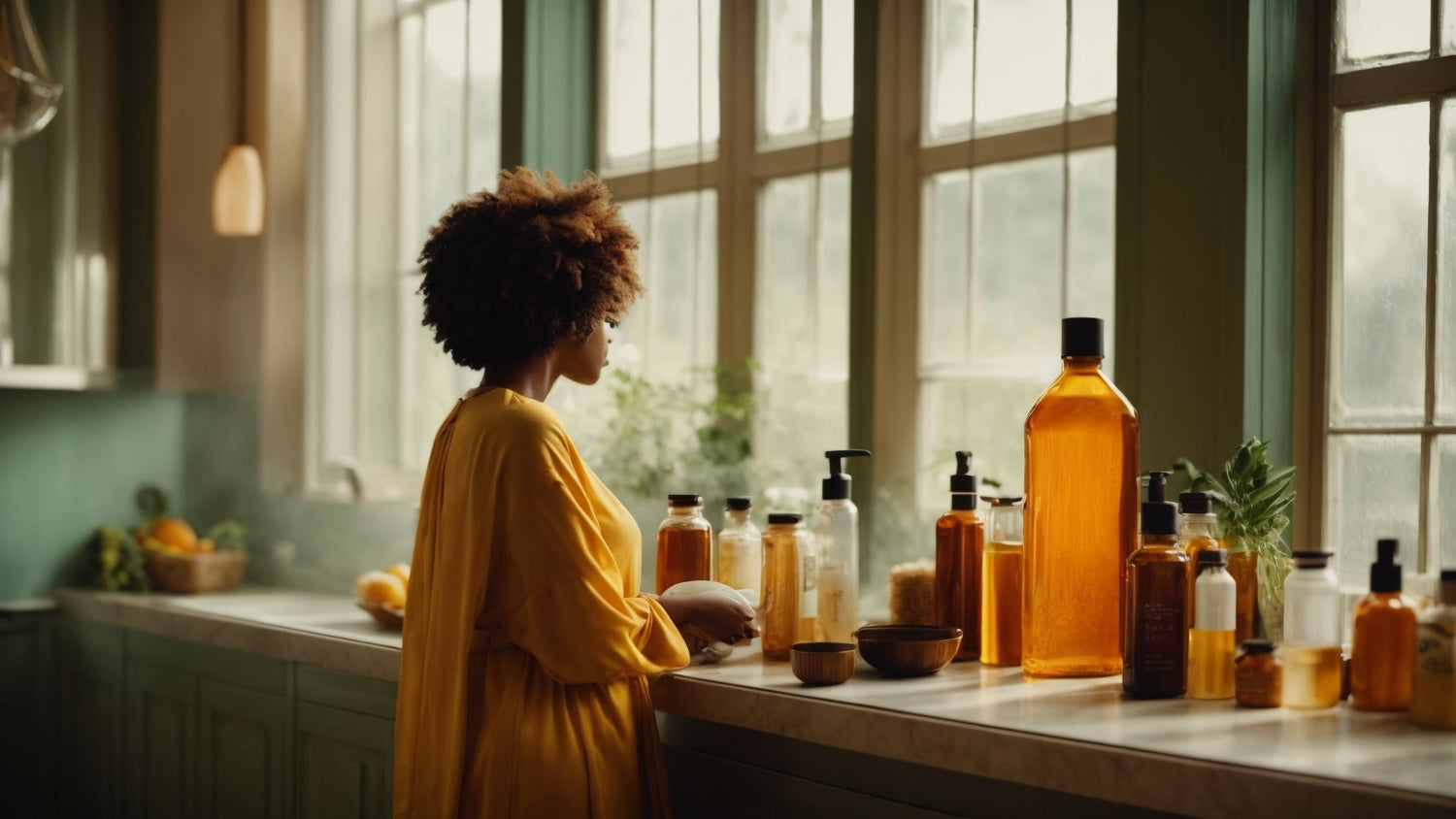
The Evolution of Natural Hair Care
In 2026, the preference for natural hair care has reached a peak, as consumers move away from harsh, synthetic additives in favor of ingredient transparency. The traditional beauty sector has undergone a significant transformation, with a focus on long-term scalp health and sustainable consumption. By selecting products grounded in botanical integrity, individuals can manage their hair needs while avoiding common irritants like parabens, sulfates, and artificial fragrances. This shift is rooted in the understanding that the scalp is a sensitive, absorptive surface that responds best to plant-based nourishment.
The Standards of Organic Hair Care
Organic hair care represents a commitment to high-quality sourcing. Products classified under this label utilize ingredients cultivated in systems that prohibit synthetic pesticides, ensuring that the final output is potent and free from detrimental chemical residue. When selecting these items, look for certification labels that verify the percentage of organic ingredients. High-grade organic extracts such as argan, marula, and camellia seed oils offer fatty acids that penetrate the hair shaft, providing structure and reducing brittleness. Choosing these methods ensures that the hair benefits from the full profile of vitamin-rich botanical extracts.
Essential Components for Your Regimen
Building a regimen around natural hair care requires an understanding of how specific elements interact with different hair textures. Regardless of your hair type, the following ingredients serve as the backbone of an effective, earth-derived strategy:
- Shea Butter: A rich emollient that seals moisture into the hair, preventing the evaporation that leads to dry, brittle strands.
- Castor Oil: Often used to improve the overall thickness and sheen of hair by providing essential omega-6 fatty acids.
- Peppermint Oil: Acts as a cooling agent that stimulates the scalp, promoting an environment conducive to healthy hair maintenance.
- Aloe Vera Leaf Juice: Functions as a lightweight humectant that draws moisture from the atmosphere into the hair shaft.
- Hydrolyzed Wheat Protein: Offers structural reinforcement for fine or damaged hair by filling in microscopic gaps in the cuticle layer.
- Green Tea Extract: Provides powerful antioxidant protection against environmental pollutants and heat-related stress.
Transitioning Effectively
When you decide to replace your existing hair products with natural hair care alternatives, patience is required. Modern hair care routines have often relied on silicones to create a temporary illusion of smoothness. These substances coat the hair, masking underlying dryness. To begin a successful transition, start with a vinegar rinse or a clay-based cleanser to remove existing product residues. Once this layer is removed, your hair will be receptive to the natural oils and proteins found in organic hair care formulations. Expect a adjustment period of two to four weeks as your hair acclimates to the absence of synthetic conditioning agents.
The Impact of Scalp Health
The foundation of all successful hair maintenance is a healthy scalp. Organic hair care routines prioritize scalp health by maintaining the correct pH balance of the skin. Synthetic detergents often disrupt the acid mantle of the scalp, leading to excess sebum production or chronic dryness. By opting for plant-derived cleansers, you support the natural microbiome of the scalp, which in turn leads to stronger hair growth. Weekly scalp massages using gentle carrier oils like jojoba or almond oil can significantly enhance circulation and provide deep nourishment to the follicle roots.
Sustainability and Ethical Consumption
Sustainability is a core pillar of modern personal care. Natural hair care brands in 2026 are setting benchmarks for environmental responsibility. This includes the use of post-consumer recycled materials for bottles, the elimination of excessive plastic secondary packaging, and a focus on water-neutral production processes. By supporting companies that prioritize these values, you are actively participating in a global movement that values the planet just as much as personal aesthetics. Furthermore, the absence of synthetic dyes and preservatives minimizes the ecological footprint associated with manufacturing and waste management.
Frequently Asked Questions Regarding Natural Regimens
Many users inquire about the efficacy of natural alternatives compared to traditional products. One primary concern involves color maintenance. To protect dyed hair while using organic hair care, focus on products that contain color-safe ingredients like sunflower seed extract. Additionally, if you struggle with tangled hair, utilize natural detanglers based on marshmallow root or slippery elm bark, which provide the necessary slip without synthetic polymers. Embracing these natural alternatives results in a healthier, more resilient state for your hair over the long term, ensuring that you maintain optimal health without resorting to harsh chemical interventions.


Leave a comment
This site is protected by hCaptcha and the hCaptcha Privacy Policy and Terms of Service apply.