
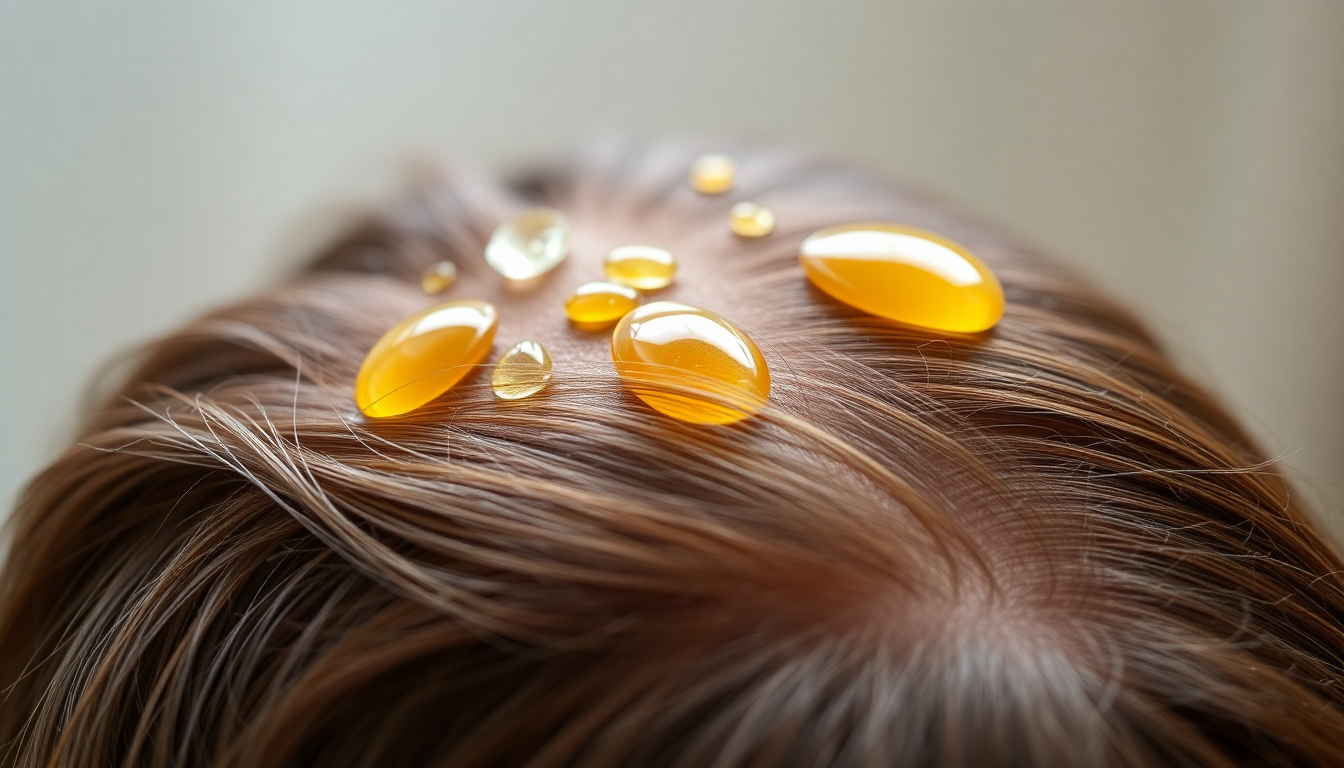
Introduction: A modern grooming problem and a balanced solution
Many men rely on heavy waxes, pomades, and styling pastes to create structured looks. Those same products, however, can accumulate on the scalp and hair shafts, leading to stiff, dull hair and increased mechanical shedding. This comprehensive guide explains why a low‑pH pre‑rinse combined with a batana oil regimen — enhanced with rosemary and vitamin E — is an effective, scalp‑friendly approach to dissolve wax buildup and reduce shedding while supporting healthier hair appearance.
Quick summary: What you’ll learn
- Why wax buildup causes mechanical hair shedding and dullness.
- The science behind low‑pH rinses and why acidic balance matters for hair.
- How batana oil dissolves waxy residues gently and why rosemary and vitamin E are useful additions.
- A detailed, adaptable step‑by‑step protocol for men of different hair types.
- DIY recipes, product recommendations, safety guidance, and troubleshooting tips.
How wax buildup forms and why it increases shedding
- Composition of styling waxes: Many pomades and waxes are oil‑ or wax‑based (petrolatum, beeswax, synthetics) that adhere strongly to hair and scalp sebum.
- Accumulation over time: Repeated product application without thorough removal traps dead skin cells, sweat, dust, and environmental pollutants, creating an occlusive layer.
- Mechanical shedding: Coated hairs are stiffer and more brittle; when combed or brushed, they’re more likely to break or be pulled out. Buildup can also obstruct sebum flow, affecting scalp health and hair manageability.
- Perceived thinning vs. medical loss: Buildup‑driven shedding is often mechanical and reversible with proper cleaning. It’s distinct from genetic or medical hair loss, which requires professional evaluation.
The role of pH: Why a low‑pH pre‑rinse helps
The hair’s natural surface pH is slightly acidic (around 4.5–5.5). This acidity keeps the cuticle (outer layer) flattened and smooth. Several factors — alkaline shampoos, hard water, and product residues — raise surface pH, lifting the cuticle, increasing friction, and making hair prone to tangling and breakage.
- Low‑pH rinse benefits: A mildly acidic rinse helps re‑acidify the hair surface, flatten cuticles, improve shine, and make it easier to remove softened oil residues.
- Compatibility with oil pre‑cleanses: Oils like batana dissolve waxy residues but don’t emulsify entirely with water. An acid rinse after an oil pre‑cleanse helps emulsify and lift the dissolved material so a gentle shampoo can finish the job.
Batana oil: Origin, composition, and why it’s ideal for dissolving wax buildup
Batana oil is an edible/ cosmetic oil traditionally produced from the American oil palm fruit or similar palms, prized for its rich fatty acid profile and dark color. In topical hair care, it’s valued for:
- Lipid compatibility: Batana oil contains triglycerides and fatty acids that can solubilize other lipid‑based residues (waxes and heavy pomades) without the harsh surfactant action of strong detergents.
- Conditioning benefits: The oil can leave hair smoother and more manageable after the residue is removed, reducing friction and breakage.
- Nutrient content: Naturally occurring antioxidants and fatty acids help condition hair and support scalp barrier function.
For convenient, high‑quality batana oil and blends formulated for hair, consider trusted suppliers like batana oil from Sevich Collections.
Rosemary essential oil and vitamin E: Why these additions matter
- Rosemary essential oil: Widely used in haircare formulations, rosemary oil is thought to support scalp circulation when used diluted and may help improve scalp condition and hair manageability. Keep dilution low (0.5–1%) for scalp use.
- Vitamin E (tocopherol): An antioxidant used to stabilize oil blends and provide mild conditioning benefits; it helps protect the oil mix from oxidation and supports scalp skin barrier health when applied topically.
Combine them with batana oil for a gentle, multifunctional oil pre‑cleanse and leave‑in serum. You can source rosemary‑infused oils and vitamin E formulations from curated vendors like Sevich Collections rosemary hair oil.
Supplies you’ll need before starting
- Topical batana oil (pure or blended).
- Rosemary essential oil (100% pure, therapeutic‑grade) and vitamin E capsules or oil.
- Apple cider vinegar (unfiltered) or citric acid for low‑pH rinse.
- Gentle, sulfate‑free shampoo.
- Measuring spoons and small mixing bottle (30–60 mL).
- Shower cap or towel for overnight treatments.
- Optional: clarifying shampoo for occasional maintenance (use sparingly).
Detailed step‑by‑step protocol (with timings and tips)
-
Patch test:
- Apply a small amount of the finished oil blend behind the ear or on the inner forearm. Wait 24 hours to check for irritation or allergic reaction.
-
Oil pre‑cleanse with batana:
- Warm 1–2 tablespoons of batana oil slightly (body temperature) to make it more spreadable.
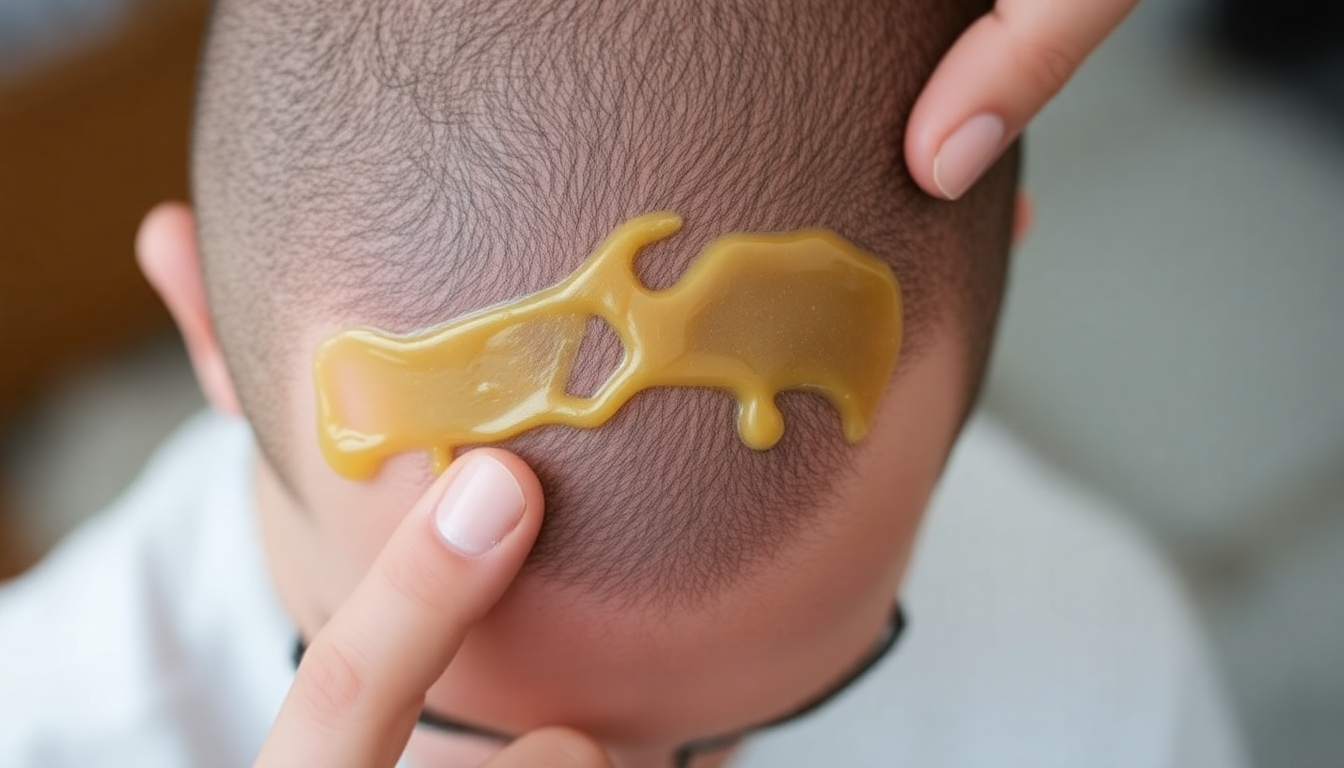
- Apply to dry scalp and hair where buildup is present. Use fingertips to massage for 3–5 minutes to mechanically loosen product deposits. Focus on the hairline and crown if that’s where styling product concentrates.
- Leave for 30 minutes for light buildup, 1–2 hours for moderate, or overnight for heavy accumulation (cover with a shower cap or towel).
-
Low‑pH pre‑rinse (acid rinse):
- Mix: 1 part apple cider vinegar to 3–4 parts water for a general rinse. For sensitivity, dilute 1:6 or use 1 teaspoon citric acid in 1 cup water.
- Slowly pour over scalp and hair, massage for 30–90 seconds. The acidity helps emulsify the oil residue and rebalance cuticle pH.
- Rinse thoroughly with lukewarm water. Don’t use very hot water, which can dry the hair and scalp.
-
Gentle shampoo cleanse:
- Use a sulfate‑free shampoo to lather and remove the loosened residues. Gentle surfactants will clean without over‑stripping lipids essential for scalp health.
- Rinse completely. If buildup remains, repeat the shampoo step once more — avoid excessive scrubbing.
-
Targeted conditioning serum (batana + rosemary + vitamin E):
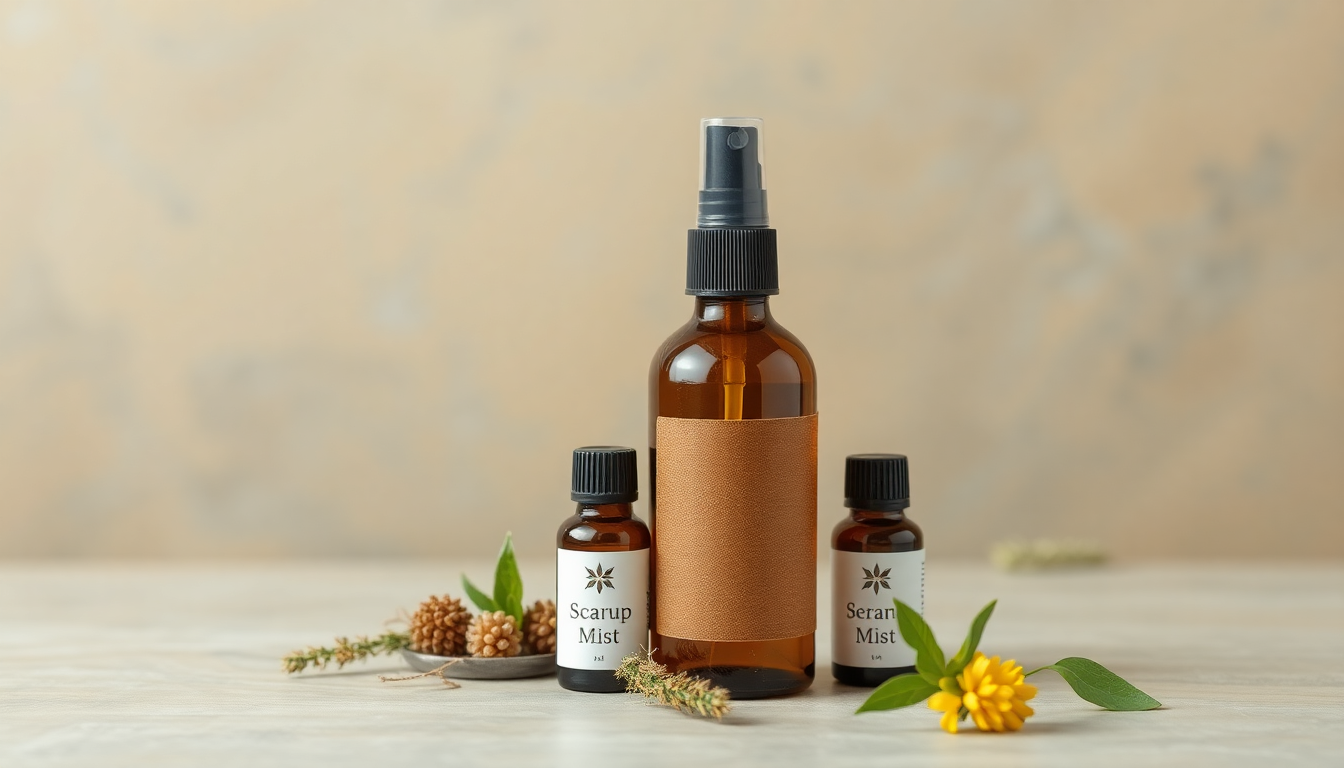
- Mix a maintenance serum: 30 mL batana oil + 1 vitamin E capsule (or ~0.3 mL) + 4–6 drops rosemary essential oil. Shake well before use.
- Apply a pea‑sized amount to damp hair lengths and a small amount to the scalp if desired. Massage gently for circulation benefits. Leave for 20–60 minutes, or leave in lightly if your hair tolerates it.
-
Style and maintain:
- Style as usual. For heavy pomade days, use less product and target application to hair shafts rather than scalp when possible.
- Schedule deep pre‑cleanses 1–2 times weekly if you use heavy waxes, and a lighter rinse every 7–10 days for maintenance.
Concentrations and formulations for different hair types
- Fine hair: Use lighter applications; reduce oil quantity to 1 teaspoon for pre‑cleanse and dilute the finish to avoid weighing hair down. Rosemary remains effective at 0.5% dilution.
- Thick/coarse hair: 1–2 tablespoons of batana oil for pre‑cleanse is appropriate; leave longer for deeper penetration. You can increase vitamin E slightly for extra conditioning.
- Curly or afro‑textured hair: Use oil pre‑cleanses to penetrate and soften product build. Acid rinses can help seal cuticles and enhance curl definition — dilute more if the scalp is dry.
- Color‑treated hair: Acid rinses can help close the cuticle and lock color, but avoid prolonged acidic exposure. Perform a strand test first.
DIY recipes: From simple to advanced
- Simple pre‑cleanse: Warm 1 tablespoon batana oil; massage into dry hair; leave 30 minutes; follow protocol.
- Maintenance scalp serum: 30 mL batana oil + 1 vitamin E capsule + 4 drops rosemary oil. Apply twice weekly.
- Overnight restorative mask: 2 tablespoons batana oil + 8 drops rosemary + 2 vitamin E capsules. Apply to scalp and lengths, cover, sleep, rinse AM.
Safety, dilution and contraindications
- Keep rosemary essential oil at low dilutions (0.5–1% for scalp use). Higher concentrations may irritate sensitive skin.
- Avoid rosemary essential oil if you have epilepsy, are pregnant, or have specific medical contraindications without clinician approval.
- Perform a patch test before using any new oil blend.
- If you experience persistent itching, burning, or redness, discontinue use and consult a healthcare professional.
Troubleshooting: Solutions to common issues
- Hair still feels waxy after one treatment: Repeat the pre‑cleanse + low‑pH rinse one more time; consider a mild clarifying shampoo monthly for deep removal.
- Scalp is dry or itchy: Reduce frequency of acid rinses, use gentler dilution, and incorporate hydration via leave‑in batana oil sparingly at lengths rather than scalp.
- Hair feels weighed down: Use smaller amounts, especially for fine hair; try applying oil only at roots where needed, or switch to a lighter carrier oil mixed with batana (e.g., fractionated coconut oil).
When to see a professional
This routine addresses buildup‑related shedding and scalp manageability. If you notice rapid, patchy, or sudden hair loss, significant scalp inflammation, or signs of infection, consult a dermatologist or trichologist promptly for diagnosis and medical treatment options.
Where to buy quality batana, rosemary and vitamin E products
Quality and sourcing matter. Look for cold‑pressed or minimally processed batana oil and 100% pure rosemary oil from reputable cosmetic suppliers. For curated blends formulated for hair use, check brands that disclose ingredient sourcing, processing, and dilution guidance. For example, find targeted batana oil blends and rosemary hair oil options at Sevich Collections — they offer a selection designed for hair maintenance and buildup control.
Practical grooming tips to prevent future buildup
- Use lighter products on daily styling days; reserve heavier waxes for special occasions.
- Apply wax to mid‑lengths and ends rather than directly on the scalp when possible.
- Brush or comb gently and regularly to distribute natural oils and avoid localized accumulation.
- Maintain a weekly or biweekly cleansing routine depending on your product use and activity level.
Expanded FAQs
- Is batana oil comedogenic for the scalp? Batana oil is a lipid‑rich carrier and may feel heavy to some, but used as a pre‑cleanse it’s removed afterward. If you’re prone to follicular occlusion, do a shorter contact time and ensure thorough rinsing and shampooing after emulsification with an acid rinse.
- Can I use other acids for the pre‑rinse? Yes — citric acid (diluted), lemon juice (more irritating), or commercial low‑pH rinses can be used. Apple cider vinegar is popular for its mild acidity and skin‑friendly profile, but always dilute appropriately.
- How often should I repeat the full protocol? For heavy wax users, 1–2 deep treatments per week and lighter maintenance rinses in between are effective. Adjust according to your results.
- Will this stop genetic hair loss? No — this protocol addresses mechanical shedding from product buildup and scalp condition. Patterned or genetic hair loss requires medical assessment.
Sustainability and sourcing considerations
When choosing oils, consider brands that source responsibly and provide transparency about harvesting and processing. Palm‑derived oils can carry sustainability concerns; prioritize suppliers that practice ethical sourcing or provide certified alternatives. Sevich Collections lists sourcing details for many of its oils and blends — check their product pages for transparency and sustainable options at Sevich Collections.
SEO tips for readers who want to learn more
- Search for terms like "batana oil for hair", "low pH rinse hair", "rosemary hair oil benefits", and "wax buildup treatment for men" to find complementary guides and product reviews.
- Look for product pages that include ingredient lists, dilution instructions, and third‑party verifications or certifications.
- Read customer reviews focused on similar hair types to yours — reviews from men with similar styling habits are most helpful.
Conclusion — Try a balanced approach and shop smart
Combining a low‑pH pre‑rinse with a batana oil pre‑cleanse, followed by a gentle shampoo and a rosemary + vitamin E finishing serum, offers a practical and scalp‑friendly way to dissolve wax buildup and reduce mechanical shedding. This protocol prioritizes restoring hair surface pH, gently dissolving lipid residues, and conditioning the hair in a way that minimizes friction and breakage.
If you prefer ready‑formulated products or want to start with curated blends, explore a selection of high‑quality batana and rosemary‑infused hair oils at Sevich Collections. Their range includes targeted options for buildup control and scalp conditioning — an easy way to begin this protocol with tried formulations. Visit Sevich Collections to find the right products and begin reducing wax buildup and scalp shedding with confidence.
Final safety reminder
Patch test all blends, dilute essential oils appropriately, and if you have persistent scalp concerns, seek professional advice. This guide is educational and not a substitute for medical diagnosis or treatment.

Leave a comment
Този сайт е защитен чрез hCaptcha и се прилагат Правилата за поверителност и Условията за използване на услугата на hCaptcha.